
Friction-Light Interfaces – Designing Software That Stays Out of the Way
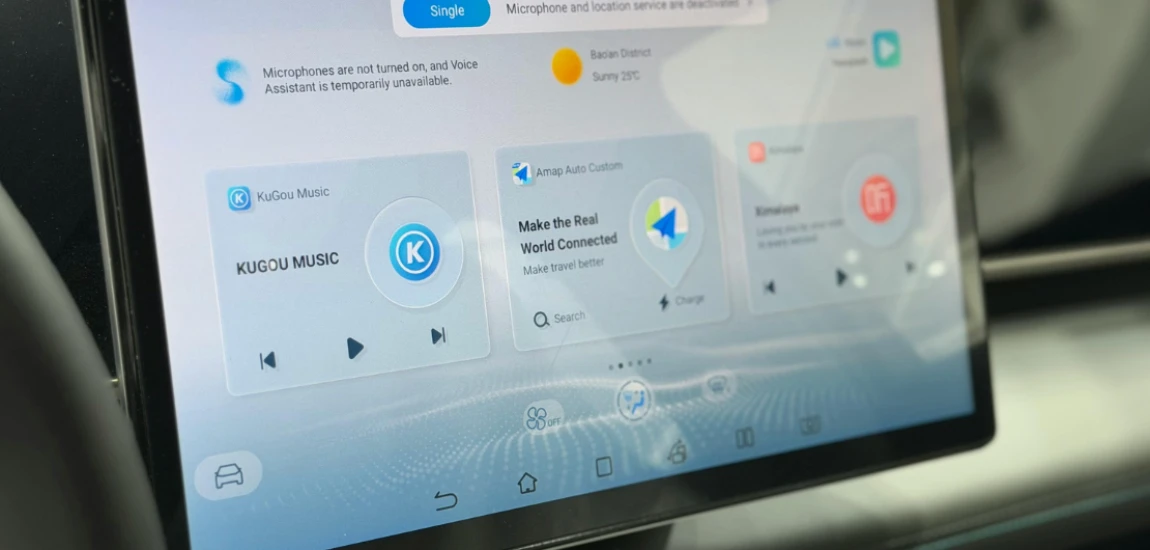
Most software promises efficiency, yet quietly demands constant attention. Notifications interrupt thought, interfaces require explanation, and simple actions involve unnecessary decisions. Over time, this friction accumulates—not as dramatic failure, but as fatigue, distraction, and resistance.
Friction-Light Interfaces represent a different design philosophy. Instead of maximizing engagement or novelty, they aim to minimize interference. They support user intent without demanding ongoing supervision, explanation, or emotional energy. The interface becomes background infrastructure rather than a foreground experience.
This approach does not mean “simple” or “minimal” in an aesthetic sense alone. Friction-light design is psychological. It respects mental energy as a limited resource and treats attention as something to protect rather than harvest.
This article explores what friction-light interfaces are, why they matter, and how designing software that stays out of the way leads to better usability, trust, and long-term satisfaction.
What Friction Really Means in Software Design

Friction as cognitive resistance
In software, friction is not just slow load times or extra clicks. True friction is cognitive resistance—the mental effort required to understand what the system wants from you and what will happen next.
Every moment of uncertainty, interpretation, or hesitation consumes cognitive resources. When friction is high, users feel subtle resistance: procrastination, irritation, or avoidance. Friction-Light Interfaces aim to reduce this resistance until interaction feels nearly effortless.
Why invisible friction is the most costly
The most damaging friction is often invisible. Small moments of confusion, unnecessary confirmation dialogs, or unclear feedback rarely trigger complaints—but they silently tax mental energy.
Because this friction is distributed across many interactions, users blame themselves rather than the system. Over time, they associate the software with fatigue instead of support.
Friction versus intentional effort
Not all effort is bad. Learning a complex tool can be worthwhile if the payoff is clear. Friction-light design is not about eliminating effort entirely—it is about eliminating unnecessary effort that does not contribute to user goals.
The Cognitive Cost of Heavy Interfaces

Decision fatigue inside everyday tools
Many interfaces require constant micro-decisions: which button, which setting, which option, which path. Each decision draws from the same mental energy pool used for problem-solving and self-control.
Friction-Light Interfaces reduce decision density by making sensible defaults, clear hierarchies, and predictable behaviors. When users don’t have to decide, they don’t get tired.
Context switching and mental fragmentation
Interruptions—pop-ups, alerts, forced tutorials—break cognitive flow. Each interruption requires reorientation, which is cognitively expensive. Even helpful prompts become harmful when poorly timed.
Designs that constantly pull users out of their task fragment attention and reduce satisfaction, even if functionality is strong.
Emotional friction and trust erosion
Interfaces that surprise users, behave inconsistently, or change without warning create emotional friction. Users feel wary rather than supported. Over time, trust erodes—not because the software is broken, but because it feels demanding.
Friction-light design prioritizes emotional predictability as much as functional clarity.
Core Principles of Friction-Light Interfaces

Predictability over novelty
Predictable systems reduce mental load. When actions behave consistently, users stop thinking about the interface and focus on outcomes. Friction-Light Interfaces favor stable patterns over constant redesigns.
Novelty attracts attention, but predictability sustains usability.
Defaults that respect user intent
Every option presented is a decision imposed. Friction-light systems rely on intelligent defaults that align with common user goals. Advanced options remain available without being intrusive.
This allows beginners to move easily while experts retain control.
Feedback without interruption
Good interfaces communicate status clearly without demanding attention. Subtle visual cues, passive indicators, and non-blocking messages inform users without stopping them.
Friction-Light Interfaces speak softly but clearly.
Designing Interfaces That Stay Out of the Way

Interface as infrastructure, not experience
In friction-light design, the interface is not the star. The user’s task is. Visual elements exist to support action, not to impress or entertain.
This mindset shift often requires resisting marketing pressure to “add delight” at the expense of calm.
Reducing explanation through affordances
When design matches user expectations, explanation becomes unnecessary. Buttons look clickable. Actions feel obvious. Outcomes are intuitive.
Friction-Light Interfaces rely on affordances rather than instructions, reducing onboarding friction.
Timing matters more than features
Even helpful features create friction when poorly timed. Friction-light systems deliver assistance only when needed and remain silent otherwise.
Restraint becomes a design skill.
Long-Term Benefits of Friction-Light Design

Lower cognitive debt over time
Software used daily compounds its effects. Friction-heavy tools accumulate cognitive debt—users become tired simply thinking about using them.
Friction-Light Interfaces do the opposite: they become easier over time, fading into the background of work and life.
Increased trust and retention
Users trust systems that behave predictably and don’t waste their attention. This trust leads to long-term adoption and loyalty—not because users are hooked, but because they feel respected.
Calm systems earn quiet loyalty.
Better accessibility and inclusivity
Reducing cognitive friction benefits everyone, especially users with limited energy, neurodivergent users, or those under stress. Friction-light design is inherently more inclusive because it demands less interpretation and endurance.


Anil Polat, behind the blog "FoxNomad," combines technology and travel. A computer security engineer by profession, he focuses on the tech aspects of travel.
Anil Polat

Prev Post

Next Post