
Emotion-Aware Artificial Intelligence Systems and Human Behavior Analysis Platforms
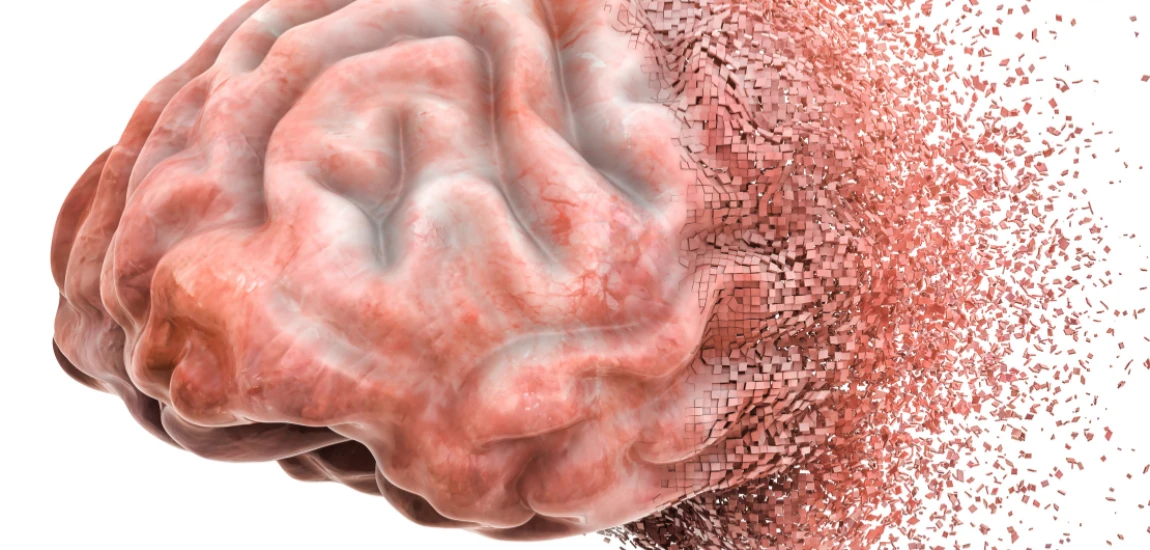
Artificial intelligence is rapidly evolving beyond simple data processing and automation into systems capable of understanding human emotions and behavior. One of the most transformative advancements in this field is the development of Emotion-Aware Artificial Intelligence Systems, which are designed to detect, interpret, and respond to human emotional states in real time.
These systems combine machine learning, computer vision, natural language processing, and behavioral analytics to create a deeper understanding of human interactions. When integrated with Human Behavior Analysis Platforms, they allow organizations to analyze emotional patterns, predict behavioral outcomes, and enhance decision-making processes.
From customer service and healthcare to education and security, emotion-aware AI is reshaping how machines interact with humans. Instead of responding purely based on logic or data, these systems incorporate emotional intelligence, making interactions more personalized, empathetic, and effective.
In this blog, we will explore how these systems work, their architecture, core technologies, applications, challenges, and future innovations shaping the next generation of emotionally intelligent computing systems.
Understanding Emotion-Aware Artificial Intelligence Systems

Defining Emotion-Aware AI Systems
Emotion-Aware Artificial Intelligence Systems are advanced AI frameworks designed to detect and interpret human emotions using data from facial expressions, voice tone, text input, and physiological signals. These systems aim to replicate a form of emotional intelligence in machines, allowing them to respond in a more human-like manner.
Unlike traditional AI systems that focus on logic and data-driven decisions, emotion-aware AI incorporates affective computing, which enables machines to recognize feelings such as happiness, sadness, anger, frustration, or excitement. This makes interactions more natural and context-sensitive.
These systems are widely used in applications where human interaction plays a critical role, such as customer service, virtual assistants, mental health monitoring, and personalized learning environments.
Core Functional Capabilities of Emotion-Aware AI
The core capabilities of these systems include emotion detection, sentiment analysis, behavioral prediction, and adaptive response generation. They analyze multiple data streams simultaneously to identify emotional states with high accuracy.
For example, facial recognition algorithms can detect micro-expressions, while voice analysis tools can identify emotional tone and stress levels. Text-based sentiment analysis helps interpret emotions in written communication such as emails or chat messages.
These capabilities allow AI systems to respond dynamically, adjusting their behavior based on the user’s emotional state.
How Emotion AI Differs from Traditional AI
Traditional AI systems operate based on predefined rules and data patterns without considering emotional context. Emotion-aware AI, on the other hand, integrates psychological and behavioral insights into its decision-making process.
This enables machines to interact more naturally with humans, improving user engagement, satisfaction, and trust. It represents a significant shift toward human-centric AI design.
Architecture of Human Behavior Analysis Platforms

Layered Behavioral Analysis Framework
Human Behavior Analysis Platforms are built on layered architectures that integrate data collection, processing, analysis, and visualization systems. These layers work together to interpret human actions and emotional patterns in real time.
The architecture typically includes input layers (sensors and data sources), processing layers (AI and machine learning models), and output layers (behavioral insights and dashboards). This structured approach ensures accurate and scalable behavior analysis.
Data Collection and Multimodal Input Systems
Behavior analysis platforms rely on multimodal data inputs, including facial recognition systems, voice sensors, text inputs, and physiological monitoring devices such as wearables.
These inputs provide a comprehensive view of human behavior by capturing both verbal and non-verbal cues. The integration of multiple data sources improves the accuracy of emotional interpretation.
Behavioral Modeling and Insight Generation
Once data is collected, AI models analyze behavioral patterns to generate insights. These models identify trends, predict future actions, and detect anomalies in behavior.
Organizations use these insights to improve user experience, optimize services, and make data-driven decisions based on emotional intelligence.
Key Technologies Powering Emotion-Aware AI Systems

Computer Vision and Facial Emotion Recognition
Computer vision plays a critical role in detecting emotions through facial expressions. Advanced algorithms analyze facial landmarks, micro-expressions, and eye movements to determine emotional states.
This technology is widely used in security systems, customer experience platforms, and healthcare monitoring tools.
Natural Language Processing and Sentiment Analysis
Natural Language Processing (NLP) enables systems to understand human language and extract emotional context from text. Sentiment analysis tools evaluate tone, intent, and emotional intensity in written communication.
This is especially useful in social media analysis, chatbots, and customer support systems.
Machine Learning and Affective Computing Models
Machine learning algorithms are trained on large datasets of human emotional behavior to improve prediction accuracy. Affective computing focuses specifically on modeling and simulating human emotions in AI systems.
These technologies allow systems to continuously learn and adapt to new emotional patterns.
Applications Across Industries

Customer Experience and Marketing Optimization
Emotion-aware AI systems are widely used in marketing to analyze customer reactions and improve engagement strategies. Businesses can tailor advertisements and services based on emotional feedback.
This leads to more personalized customer experiences and higher satisfaction rates.
Healthcare and Mental Health Monitoring
In healthcare, emotion-aware systems are used to monitor patient emotions and detect early signs of mental health issues such as depression or anxiety.
These systems support therapists and healthcare professionals in providing timely interventions.
Education and Adaptive Learning Systems
In education, emotion-aware AI helps create adaptive learning environments that respond to student engagement levels. If a student appears frustrated or confused, the system adjusts the content accordingly.
This improves learning outcomes and student engagement.


Anil Polat, behind the blog "FoxNomad," combines technology and travel. A computer security engineer by profession, he focuses on the tech aspects of travel.
Anil Polat

Prev Post

Next Post