
Digital Twin Technology in Urban and Industrial Planning
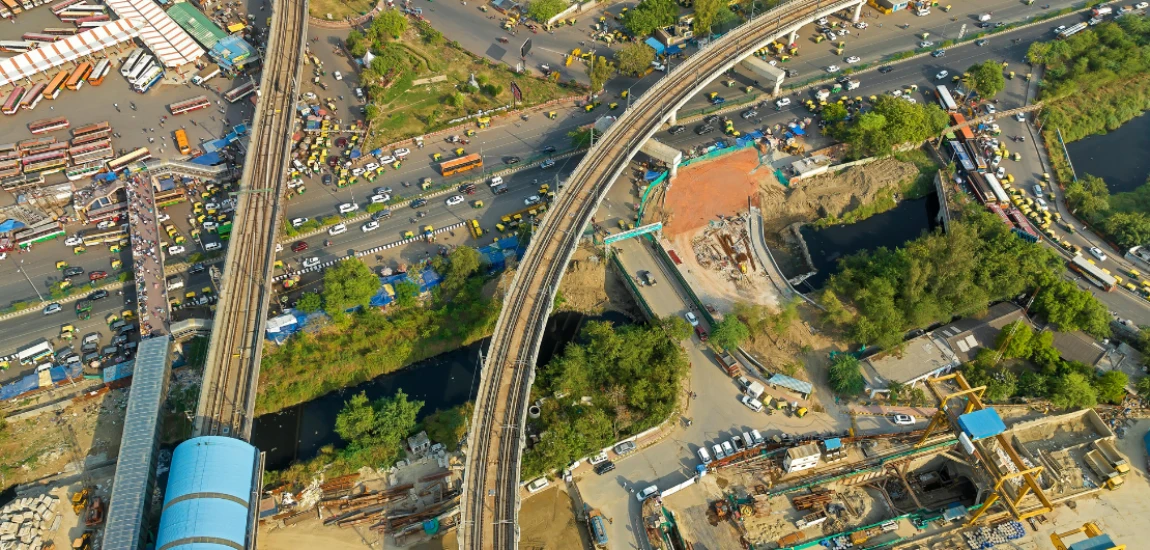
The rapid advancement of technology is reshaping how cities and industries are designed, managed, and optimized. One of the most transformative innovations in this space is digital twin technology in urban and industrial planning. A digital twin is a virtual replica of a physical object, system, or environment that uses real-time data to simulate, predict, and optimize performance.
In urban planning, digital twins help city officials visualize infrastructure, monitor traffic, and improve sustainability. In industrial settings, they enable manufacturers to optimize production processes, reduce downtime, and enhance efficiency. By bridging the gap between the physical and digital worlds, digital twin technology is empowering smarter decision-making and long-term planning.
This blog explores the concept, applications, benefits, challenges, and future trends of digital twin technology in detail, providing actionable insights for businesses and policymakers.
Understanding Digital Twin Technology

What Is Digital Twin Technology
Digital twin technology refers to the creation of a virtual model that accurately represents a physical object or system. This model is continuously updated with real-time data collected from sensors and connected devices. The result is a dynamic simulation that reflects the current state of its physical counterpart.
Unlike static models, digital twins evolve over time, allowing users to analyze performance, detect issues, and predict future outcomes. For example, a digital twin of a factory can simulate production processes and identify inefficiencies before they occur.
Core Components of Digital Twins
Digital twin systems rely on several key components to function effectively. Sensors play a crucial role by collecting data from the physical environment, while IoT devices enable communication between systems. Data analytics and artificial intelligence process this information to generate insights and predictions.
Cloud computing is often used to store and manage large volumes of data, ensuring accessibility and scalability. Together, these components create a comprehensive system that provides real-time visibility and control.
Evolution of Digital Twin Technology
The concept of digital twins originated in the aerospace industry but has since expanded into various sectors. Early applications focused on monitoring equipment performance, but modern digital twins offer advanced capabilities such as predictive maintenance and scenario simulation.
As technology continues to evolve, digital twins are becoming more sophisticated, enabling organizations to optimize operations and improve decision-making in increasingly complex environments.
Role of Digital Twins in Urban Planning

Smart City Development
Digital twin technology is playing a vital role in the development of smart cities. By creating virtual replicas of urban environments, city planners can visualize infrastructure, analyze data, and make informed decisions. These models help optimize traffic flow, reduce congestion, and improve public services.
For instance, a digital twin can simulate the impact of new roads or public transport systems, allowing planners to evaluate different scenarios before implementation.
Infrastructure Management
Managing urban infrastructure is a complex task that requires accurate data and efficient planning. Digital twins provide real-time insights into the condition of roads, bridges, and utilities, enabling proactive maintenance and reducing the risk of failures.
This approach not only improves safety but also extends the lifespan of infrastructure assets, resulting in cost savings for municipalities.
Environmental Sustainability
Sustainability is a key focus in modern urban planning, and digital twins are helping cities achieve their environmental goals. By analyzing data on energy consumption, emissions, and resource usage, these systems enable more efficient and sustainable practices.
For example, digital twins can optimize energy distribution in smart grids or monitor air quality to identify pollution sources. This contributes to healthier and more sustainable urban environments.
Applications in Industrial Planning

Manufacturing Optimization
In industrial settings, digital twin technology is transforming manufacturing processes. By creating virtual models of production lines, companies can monitor performance, identify bottlenecks, and optimize operations.
These models allow manufacturers to test changes in a virtual environment before implementing them in the real world, reducing risks and improving efficiency.
Predictive Maintenance
One of the most valuable applications of digital twins is predictive maintenance. By analyzing real-time data from equipment, these systems can detect early signs of wear and tear, allowing for timely repairs.
This reduces downtime, extends equipment lifespan, and minimizes maintenance costs. It also ensures that operations run smoothly without unexpected disruptions.
Supply Chain Optimization
Digital twins are also being used to optimize supply chains. By creating virtual models of logistics networks, companies can track shipments, analyze demand patterns, and improve inventory management.
This enables better coordination and reduces inefficiencies, resulting in faster delivery times and improved customer satisfaction.
Key Benefits of Digital Twin Technology

Improved Decision-Making
Digital twins provide real-time insights and predictive analytics, enabling better decision-making. By simulating different scenarios, users can evaluate potential outcomes and choose the most effective strategies.
This is particularly valuable in complex environments where decisions have significant impacts.
Cost Efficiency and Resource Optimization
By identifying inefficiencies and optimizing processes, digital twins help reduce costs and improve resource utilization. This includes energy savings, reduced waste, and optimized workflows.
Organizations can achieve significant financial benefits while improving overall performance.
Enhanced Safety and Risk Management
Digital twins improve safety by enabling proactive monitoring and risk assessment. By identifying potential issues before they occur, these systems help prevent accidents and ensure compliance with safety regulations.
This is especially important in industries such as construction and manufacturing, where safety is a top priority.
Challenges and Limitations

Data Management and Integration
One of the main challenges of digital twin technology is managing large volumes of data. Integrating data from multiple sources can be complex and requires robust systems and infrastructure.
Ensuring data accuracy and consistency is also critical for reliable insights.
High Implementation Costs
Developing and maintaining digital twin systems can be expensive, particularly for small and medium-sized organizations. The cost of sensors, software, and infrastructure can be a barrier to adoption.
However, as technology advances, costs are expected to decrease, making digital twins more accessible.
Security and Privacy Concerns
The use of digital twins involves collecting and processing sensitive data, raising concerns about security and privacy. Protecting this data from breaches and unauthorized access is essential.
Organizations must implement strong security measures and comply with regulations to address these concerns.


Ben Schlappig runs "One Mile at a Time," focusing on aviation and frequent flying. He offers insights on maximizing travel points, airline reviews, and industry news.
Ben Schlappig
Prev Post

Next Post