
Digital Energy Management: Reducing Cognitive Fatigue in Always-Online Environments
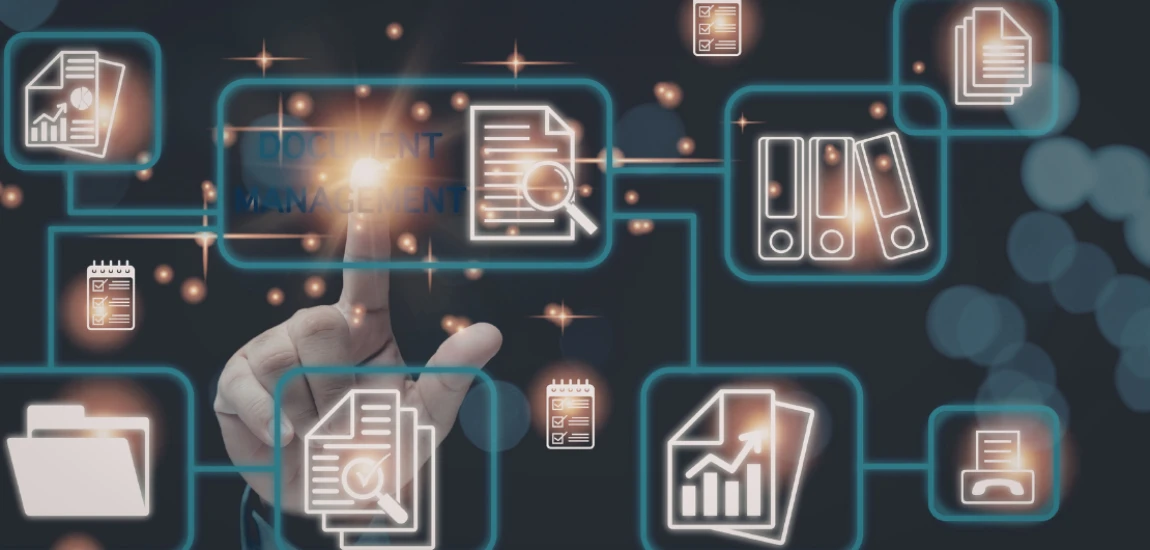
Modern work and learning environments demand continuous interaction with digital systems. Notifications, messages, information streams, and multitasking expectations create a persistent cognitive load that gradually drains mental energy. Digital energy management is the practice of regulating attention, information exposure, and cognitive effort to prevent fatigue and sustain performance.
Unlike physical exhaustion, cognitive fatigue accumulates quietly. Individuals may experience reduced focus, slower decision-making, irritability, and decreased motivation without recognizing the source. The problem is not simply workload — it is the structure of digital interaction itself. Constant context-switching, fragmented attention, and information saturation strain the brain’s processing capacity.
Always-online environments prioritize speed and responsiveness, but human cognition functions best with rhythm, recovery, and limits. Without intentional boundaries, digital engagement becomes an energy leak rather than a productivity tool.
Digital energy management reframes productivity as energy allocation rather than time allocation. By managing attention deliberately, individuals maintain clarity, improve decision quality, and reduce mental burnout. This guide explores how cognitive fatigue develops, how digital environments amplify it, and how structured strategies restore sustainable focus.
Understanding Cognitive Fatigue in Digital Environments

The Cognitive Load of Continuous Information
Digital platforms deliver more information than the brain can process efficiently. Emails, chat systems, news feeds, and task dashboards compete for attention simultaneously. Each input requires evaluation, filtering, and response preparation, even when action is not taken.
Cognitive load theory explains that mental resources are limited. When too many stimuli demand attention, processing efficiency declines. Over time, this overload produces mental exhaustion similar to physical fatigue.
Platforms such as Slack and Microsoft Teams accelerate communication flow, increasing both speed and volume of cognitive demands.
Context Switching and Mental Fragmentation
Switching between tasks — reading messages, writing responses, reviewing documents, attending meetings — requires mental reorientation. Each switch consumes cognitive energy and reduces deep focus capacity.
Frequent switching prevents sustained attention, which is essential for complex thinking. The brain remains in reactive mode rather than analytical mode.
Digital Decision Fatigue
Digital environments require constant micro-decisions: reply or ignore, read or skip, open or postpone. These decisions accumulate throughout the day, reducing mental clarity and increasing stress.
Understanding cognitive fatigue as an energy management issue is the first step toward sustainable digital engagement.
The Attention Economy and Its Impact on Mental Energy

Design for Engagement, Not Recovery
Many digital platforms are engineered to maximize engagement duration rather than support cognitive wellbeing. Notifications, infinite scrolling, and algorithmic content delivery maintain continuous interaction.
Companies such as Meta and Google design systems that optimize attention capture through personalization and behavioral reinforcement.
Fragmented Attention as a Systemic Outcome
When multiple platforms compete for attention, users experience fragmented focus. Attention shifts rapidly between stimuli without completing cognitive processing cycles.
Fragmentation prevents mental recovery and increases perceived workload even when actual tasks remain manageable.
Psychological Consequences of Continuous Engagement
Persistent digital stimulation activates stress responses associated with urgency and responsiveness. This activation reduces cognitive flexibility and increases emotional fatigue.
Recognizing the attention economy helps individuals understand that fatigue is not a personal failure but a structural effect of digital environments.
Designing Personal Digital Energy Boundaries

Structuring Focus Windows
Intentional focus windows create protected time blocks for deep work without interruption. During these periods, notifications and communication channels are minimized.
Structured focus supports cognitive immersion and reduces task-switching costs.
Managing Notification Exposure
Notifications function as external attention triggers. Limiting non-essential alerts reduces involuntary cognitive shifts.
Selective notification design allows individuals to control when attention is allocated rather than reacting automatically.
Creating Digital Recovery Intervals
Mental recovery requires disengagement from cognitive demands. Short breaks without digital input restore attention capacity and emotional balance.
Recovery intervals transform productivity from continuous effort into rhythmic engagement.
Digital boundaries convert technology from a constant demand source into a controlled resource.
Workflow Design for Cognitive Sustainability

Sequencing Tasks by Mental Intensity
Different tasks require different cognitive energy levels. Analytical work, creative thinking, and routine processing should be sequenced according to mental readiness.
Energy-based workflow design prevents overload by aligning task demands with attention capacity.
Minimizing Redundant Information Processing
Repeatedly checking information sources increases cognitive strain. Centralizing information within structured systems reduces mental duplication.
Knowledge management tools such as Notion support organized information access, reducing retrieval effort.
Designing Low-Friction Digital Environments
Interface complexity increases cognitive load. Simplified workflows, organized dashboards, and structured file systems reduce mental effort required for navigation.
Workflow design influences energy expenditure as much as task difficulty.


Kate McCulley, the voice behind "Adventurous Kate," provides travel advice tailored for women. Her blog encourages safe and adventurous travel for female readers.
Kate McCulley

Prev Post

Next Post