
Digital Energy Forecasting – Predicting Screen-Time Fatigue Before It Impacts Productivity
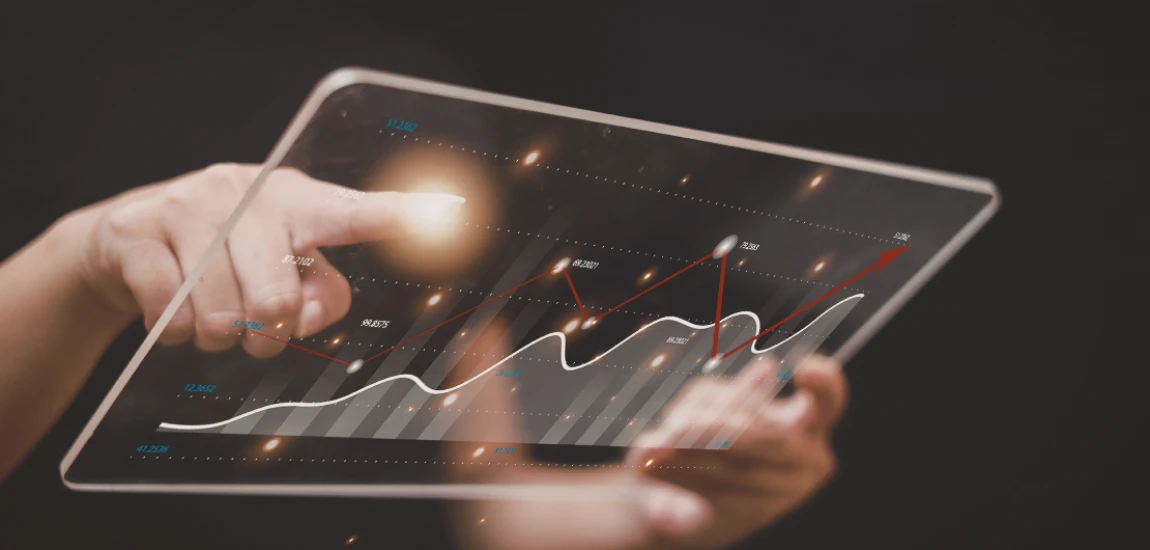
In today’s hyper-connected world, screens dominate our professional and personal lives. From emails and project management tools to messaging apps and social media, digital interaction is constant. While technology enables productivity, it also creates hidden cognitive costs. Extended screen time leads to fatigue, decreased focus, and reduced decision-making ability. Often, individuals only notice the impact after mental energy has been depleted, which can compromise work quality and increase stress.
Digital energy forecasting is an emerging strategy that allows individuals to anticipate screen-time fatigue before it negatively affects performance. Rather than reacting to exhaustion after it occurs, digital energy forecasting uses observation, self-monitoring, and predictive planning to map energy levels throughout the day. By understanding when mental resources are likely to be drained, users can schedule demanding tasks during peak energy periods and allocate low-energy windows to lighter activities.
The concept is rooted in the intersection of cognitive science, productivity planning, and digital behavior management. Digital energy forecasting recognizes that mental energy is finite and can be depleted by high-frequency or high-intensity digital interactions. Predicting fatigue enables proactive strategies such as task batching, break scheduling, and selective digital exposure. The ultimate goal is to maintain sustained productivity without sacrificing cognitive well-being.
Understanding Screen-Time Fatigue and Its Impact

Cognitive load and attention depletion
Extended engagement with screens imposes continuous cognitive load. Each notification, new task, or rapid information stream requires attentional shifts. Even seemingly trivial digital interactions fragment focus, reducing the brain’s capacity for deep work.
Attention fragmentation contributes to decision fatigue. As cognitive load accumulates, the ability to prioritize and make high-quality decisions diminishes. This is especially noticeable in creative or analytical tasks that require sustained focus.
Physical and emotional consequences
Screen-time fatigue is not solely cognitive. Extended digital interaction can lead to eye strain, headaches, and disrupted posture. Emotionally, constant notifications and information exposure increase stress levels and reduce patience, creating irritability and mental exhaustion.
These physical and emotional effects feed back into cognitive performance. Individuals may struggle with concentration, memory retention, or mental clarity.
Productivity decline and task inefficiency
Without intervention, screen-time fatigue directly impacts output quality. Tasks take longer, errors increase, and engagement declines. Procrastination often arises as mental energy wanes, leading to cascading effects on overall productivity.
Digital energy forecasting addresses these challenges by predicting when fatigue is likely, allowing preventive adjustments to task scheduling and digital exposure.
The Science Behind Digital Energy Forecasting

Energy as a finite resource
Cognitive science views attention and mental energy as limited resources. Extended mental effort, particularly in high-interaction digital environments, consumes this energy steadily. Like physical stamina, mental energy can be anticipated, conserved, and replenished strategically.
Digital energy forecasting treats energy as measurable, trackable, and predictable based on behavioral patterns, workload, and environmental factors.
Predictive modeling of fatigue
Forecasting involves analyzing historical data on screen usage, productivity patterns, and subjective fatigue reports. By combining these variables, individuals can estimate periods of high vulnerability for fatigue before they occur.
Patterns emerge from consistent observation. For example, mornings may be peak energy times for analytical work, while afternoons are prone to mental slumps after extended screen exposure.
Behavioral cues and feedback loops
Observing signs such as declining response times, increased errors, or irritability provides immediate feedback. These cues refine forecasts, helping individuals anticipate digital energy depletion more accurately.
Regular monitoring creates a self-adjusting system that aligns digital activity with cognitive capacity.
Categorizing Digital Tasks by Energy Demand

High-energy digital tasks
High-energy tasks require sustained concentration and cognitive control. Examples include coding, report writing, complex problem-solving, or strategic planning. These activities are highly sensitive to mental fatigue and should be scheduled during peak energy windows.
Identifying these tasks is critical for effective forecasting, as completing them during low-energy periods reduces efficiency and increases errors.
Medium-energy digital tasks
Medium-energy tasks demand attention but are less cognitively intensive. Examples include reviewing documents, responding to routine emails, or attending informational meetings. These tasks can be scheduled during moderate energy periods without significant risk to quality.
Structuring medium-energy tasks appropriately ensures continuous productivity even as mental energy fluctuates.
Low-energy digital tasks
Low-energy tasks are repetitive or informational with minimal cognitive load, such as skimming newsletters, organizing files, or casual social media browsing. These tasks are ideal for periods when attention is low, providing productivity without overtaxing mental resources.
Layering tasks by energy demand enables precise forecasting and proactive management.
Tools and Techniques for Energy Forecasting

Digital activity tracking
Tracking software, such as time-management apps or analytics dashboards, helps quantify screen usage and interaction intensity. Logging time spent on different platforms enables users to identify patterns of cognitive load and fatigue triggers.
Historical data forms the basis for predictive scheduling and energy allocation.
Subjective energy journaling
Recording perceived mental energy and focus levels throughout the day provides complementary insights. Combining objective tracking with subjective experience creates a richer, more accurate forecast.
Journaling helps identify early signs of fatigue that may not be captured by usage metrics alone.
Predictive scheduling and buffer zones
Forecasting enables proactive task scheduling, with high-energy tasks allocated to peak periods and buffer zones incorporated for recovery. Breaks, brief walks, or screen-free periods serve as preventive interventions to maintain sustained attention.
Buffer zones reduce cumulative fatigue and enhance long-term productivity.


Kate McCulley, the voice behind "Adventurous Kate," provides travel advice tailored for women. Her blog encourages safe and adventurous travel for female readers.
Kate McCulley
Prev Post

Next Post