
Collaborative Human-AI Work Systems: Enhancing Creativity and Efficiency Through Partnership
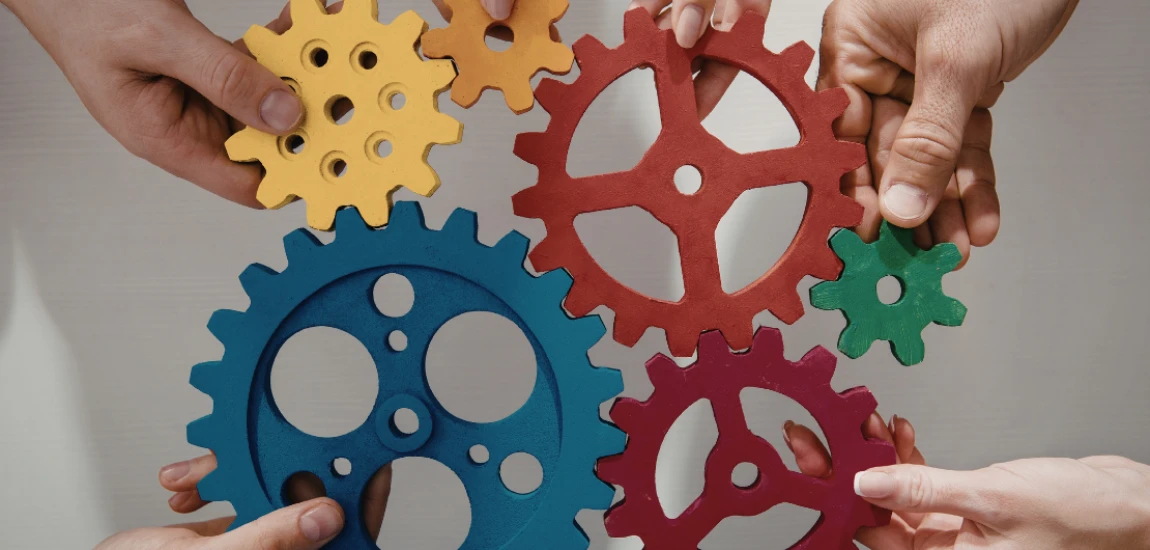
Artificial intelligence is no longer a futuristic concept—it has become a practical tool in workplaces across industries. From data analytics and customer service to creative design and scientific research, AI is transforming the way humans work. However, the most impactful applications of AI emerge when it complements human intelligence rather than replacing it.
Collaborative Human-AI Work Systems are frameworks designed to integrate human judgment, creativity, and empathy with the computational speed, accuracy, and predictive power of AI. These systems aim to amplify human capabilities while automating repetitive tasks, enabling individuals to focus on high-value work.
Organizations that adopt these collaborative frameworks report increased efficiency, higher innovation rates, and improved decision-making quality. For example, in marketing, AI tools can analyze customer data trends while humans develop creative campaigns that resonate with target audiences. In scientific research, AI accelerates data analysis, but human expertise remains crucial for hypothesis formulation and experimental interpretation.
This article explores the principles, strategies, and best practices for designing collaborative human-AI work systems. We will examine the key benefits, implementation strategies, and future trends in this rapidly evolving field.
Understanding Collaborative Human-AI Work Systems

Defining Collaborative Work Systems
Collaborative human-AI work systems are structured environments where humans and AI technologies interact synergistically. Rather than viewing AI as a standalone tool, these systems treat it as a partner that supports, enhances, and sometimes challenges human decision-making.
AI can assist with tasks such as predictive analysis, pattern recognition, automated scheduling, and data visualization. Meanwhile, humans contribute critical thinking, creativity, ethical judgment, and emotional intelligence. By combining these complementary strengths, organizations can achieve outcomes that neither humans nor AI could accomplish independently.
The Shift From Automation to Augmentation
Traditional AI implementations often focused on automation, aiming to replace repetitive human tasks. While this reduces operational costs, it may also limit creativity and human engagement. Collaborative human-AI work systems shift the paradigm from replacement to augmentation, empowering humans to do their best work with AI support.
Augmentation strategies include AI-assisted writing, collaborative design tools, and real-time data insights. These tools are designed to enhance human decision-making rather than undermine it, fostering a culture of co-creation and shared accountability.
Core Principles of Human-AI Collaboration
Effective collaborative systems adhere to principles such as transparency, explainability, adaptability, and ethical oversight. AI systems should provide clear reasoning for their recommendations, allowing humans to understand and evaluate outcomes. Similarly, humans must remain engaged in oversight, ensuring AI decisions align with organizational values and ethical standards.
Enhancing Creativity Through AI Collaboration

AI as a Creative Partner
AI has demonstrated remarkable capabilities in generating content, whether it’s music, visual art, design, or written material. However, AI lacks the nuanced understanding of human context, emotion, and culture. Collaborative frameworks enable AI to generate initial ideas, which humans can refine and contextualize.
For example, AI can propose multiple design prototypes, which designers then adapt based on aesthetics, audience preferences, or brand strategy. This combination of rapid AI generation and human judgment accelerates the creative process while preserving originality and emotional resonance.
Breaking Creative Bottlenecks
In many industries, creativity is hindered by repetitive tasks, limited resources, or information overload. AI can alleviate these bottlenecks by analyzing large datasets, identifying trends, or producing initial drafts. Humans can then focus on higher-order thinking, conceptual innovation, and storytelling.
This partnership allows teams to iterate faster, experiment more, and explore possibilities that might have been overlooked in purely human-driven processes.
AI-Enhanced Brainstorming Techniques
Collaborative human-AI systems often incorporate AI-assisted brainstorming. These tools can suggest ideas, simulate scenarios, or even combine existing concepts in novel ways. Teams can interact with AI in real time, refining suggestions and exploring creative paths more efficiently.
By providing structured support and inspiration, AI helps teams overcome mental blocks and fosters a more dynamic creative workflow.
Improving Efficiency and Decision-Making

Automating Repetitive Tasks
One of the most immediate benefits of human-AI collaboration is increased efficiency. AI excels at repetitive and data-intensive tasks such as scheduling, monitoring, and reporting. By delegating these tasks to AI, human workers can allocate their time to strategic and creative activities.
For instance, in finance, AI can automatically reconcile transactions, detect anomalies, and generate summaries, while analysts focus on interpreting results and planning investment strategies.
Data-Driven Insights for Smarter Decisions
AI’s analytical capabilities allow organizations to process vast amounts of data quickly. Collaborative systems combine AI-driven insights with human contextual understanding to make more informed decisions.
Human experts interpret AI outputs, considering factors such as organizational goals, ethical implications, and stakeholder perspectives. This combination improves decision accuracy, speed, and relevance.
Real-Time Monitoring and Adaptation
Collaborative human-AI systems can operate continuously, monitoring processes and flagging potential issues in real time. For example, supply chain managers can use AI alerts to identify bottlenecks or demand fluctuations, while humans make strategic adjustments.
This real-time adaptability ensures that organizations remain agile and resilient in dynamic environments.
Designing Effective Human-AI Workflows

Role Clarity and Task Assignment
Successful collaboration requires clearly defined roles. Organizations must identify which tasks are best suited for AI automation, which require human oversight, and which benefit from joint input.
Role clarity reduces confusion, prevents duplication of effort, and ensures accountability. Teams should develop protocols for decision-making, escalation, and feedback loops between humans and AI.
Interface Design for Collaboration
User interfaces are critical for effective human-AI collaboration. AI outputs must be presented in ways that are intuitive, interpretable, and actionable.
Interactive dashboards, visualizations, and explanation tools allow humans to engage with AI recommendations effectively. These interfaces should support iterative feedback, allowing humans to correct AI suggestions and improve system learning.
Feedback Loops and Continuous Learning
A defining feature of collaborative systems is continuous learning. Humans provide feedback on AI outputs, which in turn refines AI models. This iterative loop improves both efficiency and accuracy over time.
Feedback mechanisms ensure that AI adapts to organizational context, user preferences, and evolving challenges, creating a more robust and reliable collaborative system.


Shivya Nath authors "The Shooting Star," a blog that covers responsible and off-the-beaten-path travel. She writes about sustainable tourism and community-based experiences.
Shivya Nath

Prev Post

Next Post