
Cognitive Robotics Systems and Human-Like Adaptive Machine Intelligence Frameworks
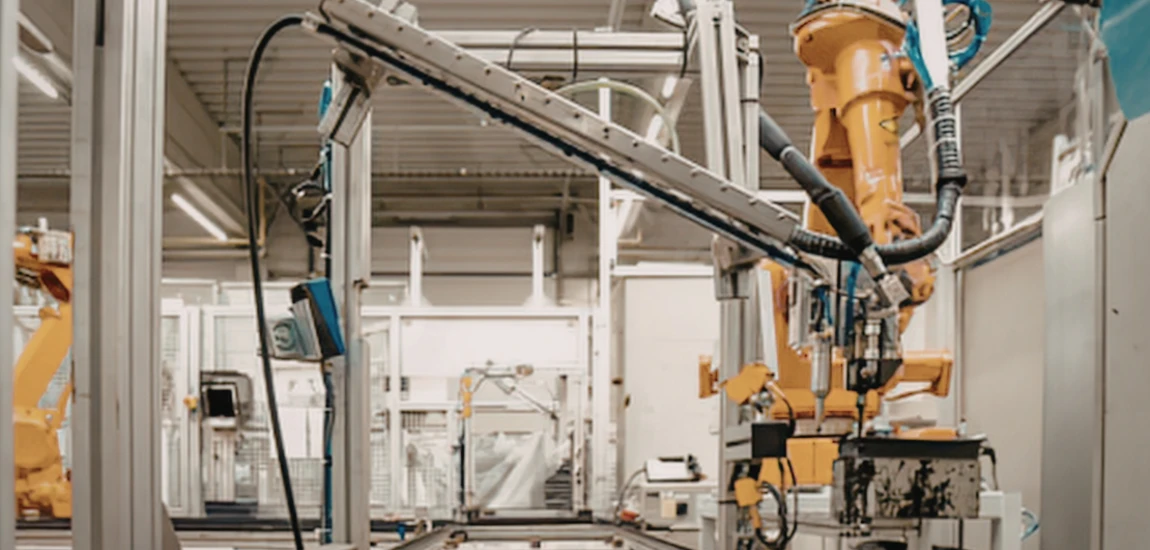
The evolution of robotics has moved far beyond simple automation and repetitive task execution. Today, we are entering an era where machines are not just tools but intelligent entities capable of learning, reasoning, and adapting to complex environments. Cognitive robotics systems and human-like adaptive machine intelligence frameworks represent a groundbreaking shift in how robots interact with the world and with humans.
Cognitive robotics integrates artificial intelligence, machine learning, and neuroscience-inspired models to enable robots to perceive, understand, and respond intelligently. These systems are designed to mimic human cognitive processes such as learning, decision-making, and problem-solving. When combined with adaptive machine intelligence frameworks, robots gain the ability to continuously improve their performance based on experience.
This transformation is reshaping industries such as healthcare, manufacturing, logistics, and service sectors. In this blog, we will explore the core concepts, technologies, applications, challenges, and future trends of cognitive robotics systems, providing valuable insights into the future of intelligent machines.
Understanding Cognitive Robotics Systems

What Defines Cognitive Robotics
Cognitive robotics systems are designed to simulate human-like thinking processes in machines. Unlike traditional robots that follow predefined instructions, cognitive robots can perceive their environment, interpret information, and make decisions based on context. This ability allows them to operate in dynamic and unpredictable environments. These systems rely on advanced AI algorithms that enable learning from experience, making them more flexible and capable over time.
Difference Between Traditional and Cognitive Robots
Traditional robots are typically programmed for specific tasks and lack the ability to adapt beyond their initial configuration. Cognitive robots, on the other hand, are built to learn and evolve. They can handle complex tasks that require reasoning and adaptability. For example, a traditional robot might assemble parts on a production line, while a cognitive robot can identify defects, adjust its actions, and optimize processes without human intervention.
Key Features of Cognitive Robotics Systems
Cognitive robotics systems are characterized by perception, learning, reasoning, and adaptability. They use sensors to gather data, AI models to process information, and decision-making algorithms to perform actions. These features enable them to interact with humans and environments in a more natural and efficient way, making them suitable for a wide range of applications.
Human-Like Adaptive Machine Intelligence Frameworks

What Are Adaptive Intelligence Frameworks
Adaptive machine intelligence frameworks are systems that enable machines to modify their behavior based on experience and environmental changes. These frameworks incorporate learning algorithms that allow robots to improve their performance over time. This adaptability is essential for operating in real-world environments where conditions are constantly changing.
How Machines Mimic Human Learning
Human-like learning in machines is achieved through techniques such as reinforcement learning, neural networks, and cognitive modeling. These methods allow robots to learn from trial and error, similar to how humans acquire new skills. By analyzing feedback and outcomes, machines can refine their strategies and improve efficiency.
Importance of Adaptability in Robotics
Adaptability is a critical factor in the success of cognitive robotics systems. It enables robots to handle unexpected situations, learn new tasks, and optimize their performance. This makes them more versatile and valuable in applications that require flexibility and continuous improvement.
Core Technologies Behind Cognitive Robotics

Artificial Intelligence and Machine Learning
AI and machine learning are the foundation of cognitive robotics systems. These technologies enable robots to process data, recognize patterns, and make decisions. Machine learning algorithms allow robots to improve their performance over time by learning from experience, making them more efficient and effective.
Computer Vision and Sensor Integration
Computer vision enables robots to interpret visual information from their surroundings. Combined with sensors such as cameras, lidar, and touch sensors, it allows robots to perceive and interact with their environment. This capability is essential for tasks such as object recognition, navigation, and human interaction.
Natural Language Processing and Human Interaction
Natural language processing (NLP) allows robots to understand and respond to human language. This enhances human–robot interaction, making it more intuitive and effective. By enabling communication through speech and text, NLP helps bridge the gap between humans and machines.
Real-World Applications of Cognitive Robotics

Healthcare and Assistive Robotics
Cognitive robots are transforming healthcare by assisting with patient care, rehabilitation, and surgery. These robots can monitor patients, provide support, and perform complex medical procedures with high precision. Their ability to learn and adapt makes them valuable tools in improving patient outcomes.
Industrial Automation and Smart Manufacturing
In manufacturing, cognitive robotics systems enhance productivity by optimizing processes and reducing errors. These robots can adapt to changes in production requirements, identify inefficiencies, and improve overall performance. This leads to more efficient and cost-effective operations.
Service Industry and Personal Robotics
Cognitive robots are increasingly being used in service industries such as hospitality and retail. They can interact with customers, provide information, and perform tasks such as cleaning and delivery. Personal robots are also becoming more common, assisting with daily activities and improving quality of life.


Anil Polat, behind the blog "FoxNomad," combines technology and travel. A computer security engineer by profession, he focuses on the tech aspects of travel.
Anil Polat

Prev Post

Next Post