
Cognitive Reality Fusion Systems and Mixed Physical–Digital Environment Synchronization Architectures
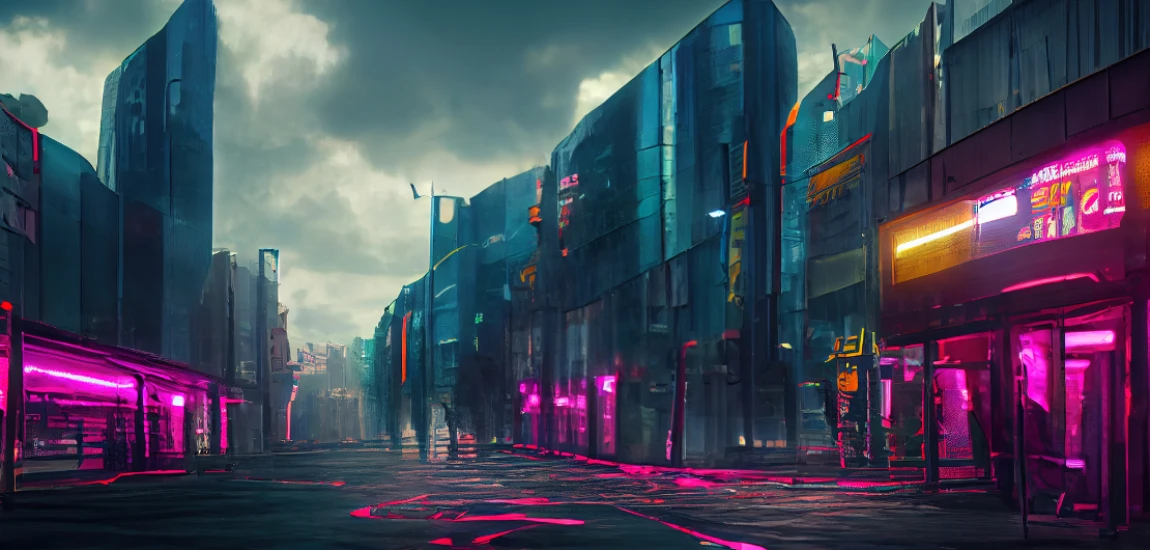
The rapid evolution of artificial intelligence, immersive computing, and smart connectivity technologies is transforming how humans interact with digital environments. Traditional digital systems once operated separately from physical reality, but emerging innovations are now blending both worlds into unified intelligent ecosystems. Cognitive reality fusion systems represent a revolutionary step toward creating synchronized environments where physical and digital spaces interact seamlessly in real time.
These advanced systems combine AI-driven analytics, augmented reality, virtual reality, sensor networks, cloud computing, and spatial intelligence to create mixed physical–digital environments capable of adaptive interaction. Mixed environment synchronization architectures enable digital objects, intelligent systems, and human users to communicate continuously across interconnected ecosystems.
From healthcare and industrial automation to education, entertainment, and smart cities, cognitive reality fusion technologies are reshaping the future of human-machine interaction. These systems are not only enhancing operational efficiency but also creating immersive experiences that improve decision-making, collaboration, and real-time situational awareness.
As organizations continue investing in digital transformation, cognitive reality fusion architectures may become foundational technologies powering the next generation of intelligent environments and connected infrastructures.
Understanding Cognitive Reality Fusion Systems

Cognitive reality fusion systems are intelligent computational ecosystems that integrate physical environments with digital intelligence layers. These systems enable real-time synchronization between human activity, physical infrastructure, and virtual data environments.
Artificial Intelligence and Spatial Intelligence
Artificial intelligence serves as the cognitive engine behind reality fusion systems. AI algorithms continuously analyze environmental data, user interactions, movement patterns, and contextual information to optimize digital experiences.
Spatial intelligence technologies help systems understand physical surroundings through sensors, cameras, LiDAR scanners, and computer vision systems. These tools create dynamic 3D models of real-world environments that can be enhanced with digital overlays and intelligent automation.
Machine learning models improve environmental interpretation over time by identifying behavioral trends and adapting interactions accordingly. This adaptive intelligence allows mixed reality systems to become increasingly personalized and context-aware.
AI-driven spatial synchronization is especially important in industries requiring real-time collaboration, navigation assistance, and predictive operational analysis.
Mixed Physical–Digital Interaction Frameworks
Traditional digital systems often require users to interact through screens and isolated interfaces. Cognitive reality fusion systems eliminate these limitations by embedding digital intelligence directly into physical environments.
Augmented reality interfaces can project interactive digital content onto physical objects, while wearable devices enable seamless interaction between users and digital ecosystems.
These systems support bidirectional communication where physical actions affect digital systems and digital events influence physical environments. Smart manufacturing facilities, for example, may use synchronized digital twins to monitor industrial equipment and automate operational responses in real time.
This convergence of physical and digital interaction is creating more immersive and efficient user experiences across industries.
Importance of Environmental Synchronization
Environmental synchronization ensures that digital systems accurately reflect changing physical conditions in real time.
Advanced synchronization architectures continuously update virtual models using sensor networks, cloud computing systems, and edge processing technologies.
This real-time alignment improves operational accuracy, situational awareness, and predictive decision-making capabilities.
As mixed reality ecosystems become more complex, synchronization technologies will play a crucial role in maintaining stable and responsive interactions between digital and physical systems.
Core Technologies Behind Mixed Environment Synchronization Architectures

Mixed physical–digital environment synchronization architectures rely on multiple advanced technologies working together to create intelligent immersive ecosystems.
Sensor Networks and IoT Integration
Sensor technologies are essential for collecting real-time environmental data from physical spaces. Smart sensors monitor temperature, movement, lighting, sound, pressure, and other operational variables.
Internet of Things (IoT) infrastructures connect these sensors to centralized AI platforms capable of processing large-scale environmental datasets.
This connectivity enables cognitive systems to respond dynamically to changes within physical environments. Smart offices, for example, may automatically adjust lighting, climate settings, and workspace configurations based on occupancy patterns and user preferences.
IoT-driven synchronization frameworks also improve operational efficiency by enabling continuous monitoring and automated system optimization.
Cloud Computing and Edge Processing
Cognitive reality fusion systems generate enormous volumes of data that require high-speed processing and synchronization capabilities.
Cloud computing platforms provide scalable infrastructure for storing, processing, and analyzing environmental data across distributed ecosystems.
Edge computing technologies reduce latency by processing time-sensitive information locally instead of relying entirely on remote cloud servers.
This hybrid architecture improves system responsiveness and supports real-time immersive experiences in applications such as autonomous vehicles, industrial robotics, and augmented reality collaboration platforms.
Efficient cloud-edge integration is critical for maintaining stable mixed reality synchronization at large scales.
Extended Reality and Immersive Interfaces
Extended reality technologies including augmented reality, virtual reality, and mixed reality interfaces form the user interaction layer of cognitive fusion systems.
These immersive technologies enable users to interact naturally with digital content integrated into physical spaces.
Advanced headsets, holographic displays, gesture recognition systems, and voice-controlled interfaces enhance user engagement and environmental awareness.
AI-powered immersive systems can also personalize digital experiences based on user behavior, emotional responses, and contextual conditions.
The continued advancement of immersive interfaces will significantly influence the adoption of cognitive reality fusion ecosystems.
Applications of Cognitive Reality Fusion Across Industries

Cognitive reality fusion systems are creating transformative opportunities across healthcare, manufacturing, education, retail, and urban development sectors.
Healthcare and Intelligent Medical Environments
Healthcare organizations are increasingly adopting mixed reality systems to improve diagnostics, surgical planning, patient monitoring, and medical training.
AI-powered augmented reality tools allow surgeons to visualize anatomical structures during complex procedures with enhanced precision.
Real-time synchronization between medical devices, patient records, and immersive interfaces improves clinical decision-making and operational coordination.
Hospitals may also use cognitive reality systems for remote consultations, virtual rehabilitation programs, and AI-assisted patient care management.
These technologies have the potential to improve healthcare accessibility, treatment accuracy, and patient outcomes significantly.
Smart Manufacturing and Industrial Automation
Manufacturing facilities are using cognitive reality fusion systems to optimize production processes, monitor equipment performance, and improve worker safety.
Digital twin technologies create virtual replicas of industrial systems that synchronize continuously with physical operations.
AI-driven analytics help predict equipment failures, optimize resource allocation, and automate maintenance scheduling.
Workers equipped with augmented reality devices can receive real-time operational guidance, safety alerts, and technical support directly within their physical work environments.
This integration of digital intelligence with industrial infrastructure improves productivity and operational resilience.
Education and Collaborative Learning
Educational institutions are adopting immersive learning environments powered by cognitive reality synchronization technologies.
Students can interact with virtual laboratories, historical simulations, and AI-driven educational platforms integrated into physical classrooms.
Mixed reality systems support experiential learning by allowing users to visualize complex scientific concepts and collaborate within shared virtual spaces.
AI-powered educational frameworks can also personalize learning experiences based on student engagement levels and cognitive performance data.
These innovations are transforming traditional educational models into highly interactive and adaptive learning ecosystems.
Challenges Facing Cognitive Reality Fusion Systems

Despite their enormous potential, cognitive reality fusion architectures face several technical, ethical, and operational challenges.
Data Privacy and Security Risks
Mixed environment synchronization systems rely heavily on continuous environmental monitoring and large-scale data collection.
Sensitive user information including behavioral patterns, biometric data, and location details may become vulnerable to cyberattacks or unauthorized access.
Organizations implementing immersive technologies must prioritize cybersecurity protections, encryption protocols, and privacy-focused AI governance practices.
AI-driven threat detection systems can help identify anomalies and protect synchronized environments from malicious activity.
Strong security frameworks are essential for maintaining user trust and regulatory compliance.
System Complexity and Scalability
Building large-scale synchronized reality environments requires significant computational infrastructure and advanced system integration capabilities.
Organizations must manage compatibility between multiple hardware devices, cloud platforms, communication protocols, and AI frameworks.
Scalability challenges increase as immersive ecosystems expand across geographic locations and operational domains.
Efficient infrastructure planning and modular system design are critical for supporting future growth and technological evolution.
Reducing operational complexity will be a major focus for developers building next-generation cognitive fusion platforms.
Ethical and Psychological Concerns
Extended exposure to immersive mixed reality environments may create psychological and ethical concerns related to user behavior, cognitive dependency, and digital manipulation.
AI-driven systems capable of influencing emotional responses and behavioral decisions require careful ethical oversight.
Organizations must establish transparent guidelines governing data usage, AI interaction policies, and user consent mechanisms.
Responsible innovation practices will help ensure that cognitive reality technologies remain beneficial and socially sustainable.
Balancing immersive engagement with human well-being will remain an important challenge as adoption increases.


Dave Lee runs "GoBackpacking," a blog that blends travel stories with how-to guides. He aims to inspire backpackers and offer them practical advice.
Dave Lee

Prev Post

Next Post