
Cognitive Ocean Cleanup Systems and Intelligent Marine Pollution Recovery Networks
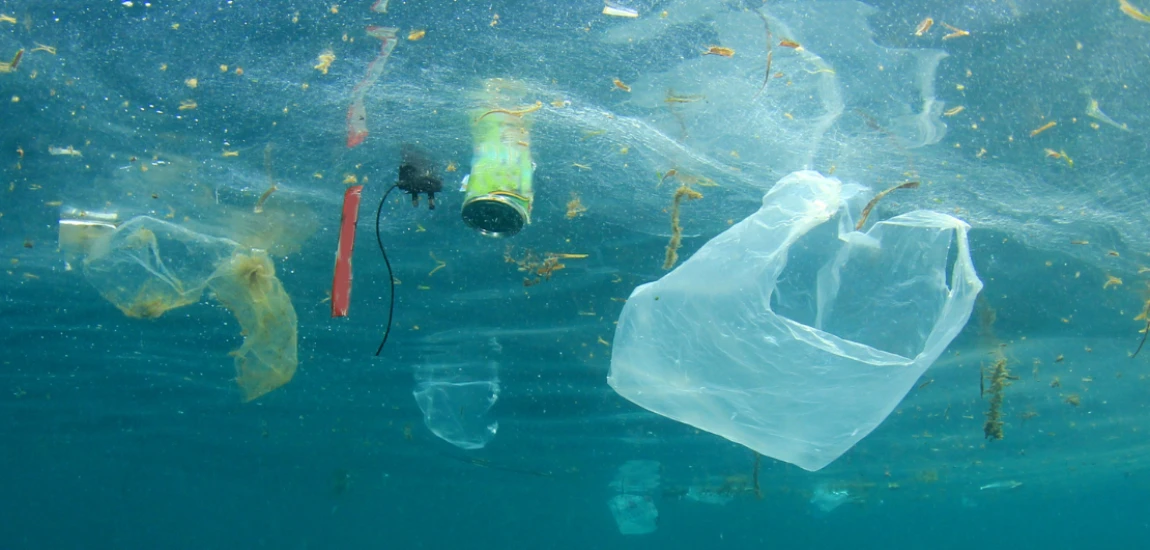
The world's oceans are facing unprecedented environmental challenges. Plastic waste, chemical pollutants, oil spills, abandoned fishing gear, and industrial contaminants continue to threaten marine ecosystems on a global scale. Traditional cleanup methods, while valuable, often struggle to keep pace with the growing volume of pollution entering oceans every year.
This challenge has inspired the development of Cognitive Ocean Cleanup Systems and Intelligent Marine Pollution Recovery Networks. These next-generation environmental technologies combine artificial intelligence, machine learning, autonomous robotics, advanced sensors, satellite monitoring, and predictive analytics to create highly efficient ocean cleanup ecosystems.
Unlike conventional cleanup operations that rely heavily on manual intervention, cognitive systems can continuously monitor ocean conditions, identify pollution hotspots, predict waste movement patterns, and deploy autonomous recovery assets with minimal human supervision. By creating interconnected networks of intelligent cleanup technologies, scientists and environmental organizations hope to dramatically improve marine conservation efforts.
As global attention increasingly focuses on environmental sustainability, cognitive ocean cleanup solutions may become one of the most important tools for restoring ocean health and protecting marine biodiversity for future generations.
Understanding Cognitive Ocean Cleanup Systems

The Evolution of Ocean Cleanup Technologies
Ocean cleanup efforts have evolved significantly over the past several decades. Early initiatives relied primarily on manual collection methods and localized cleanup campaigns. While these approaches achieved important results, they lacked scalability and efficiency when addressing large-scale marine pollution.
Modern cognitive cleanup systems introduce intelligence into environmental management. Artificial intelligence continuously analyzes vast quantities of environmental data, helping identify pollution sources and optimize cleanup strategies.
This shift from reactive cleanup to proactive environmental management represents a major advancement in ocean conservation technology.
How Cognitive Systems Operate
Cognitive ocean cleanup platforms function through a combination of sensing, analysis, decision-making, and autonomous action. Sensors deployed across oceans collect information regarding water quality, debris concentration, ocean currents, and environmental conditions.
Machine learning algorithms process this data in real time, identifying pollution patterns and forecasting future contamination risks. Based on these insights, autonomous vessels and robotic systems can be deployed to target specific areas requiring intervention.
This continuous feedback loop improves cleanup effectiveness while minimizing operational costs.
Building an Intelligent Environmental Ecosystem
The true power of cognitive cleanup systems lies in their ability to connect multiple technologies into a unified network. Satellites, underwater sensors, autonomous surface vehicles, aerial drones, and centralized AI platforms work together to create comprehensive environmental awareness.
This integrated ecosystem enables rapid response capabilities and supports long-term environmental planning, making ocean cleanup more strategic and sustainable than ever before.
The Core Technologies Behind Intelligent Marine Pollution Recovery Networks

Artificial Intelligence and Machine Learning
Artificial intelligence serves as the operational brain of modern marine pollution recovery networks. AI systems analyze environmental data streams from thousands of sources simultaneously, identifying pollution trends that might otherwise go unnoticed.
Machine learning models improve continuously as they process additional data, enabling increasingly accurate predictions regarding pollution movement and accumulation patterns.
These capabilities allow environmental agencies to allocate resources more efficiently and respond to emerging threats before they escalate.
Autonomous Marine Robotics
Autonomous robotic systems are revolutionizing ocean cleanup operations. Surface vessels equipped with collection mechanisms can navigate independently while removing floating debris from waterways.
Underwater robots perform inspections, monitor ecosystems, and identify submerged waste deposits that are difficult for humans to locate.
The integration of robotics significantly expands cleanup capacity while reducing operational risks and labor requirements.
Advanced Sensor Networks
Sensor technologies play a critical role in environmental monitoring. Modern sensors measure water chemistry, temperature, salinity, microplastic concentrations, and biological activity with remarkable precision.
Real-time data transmission allows AI systems to maintain constant awareness of environmental conditions across vast geographic regions.
As sensor technology continues to advance, marine pollution recovery networks will become even more accurate and responsive.
Real-Time Pollution Detection and Ocean Monitoring Frameworks

Satellite-Based Environmental Surveillance
Satellites provide a powerful perspective for monitoring ocean pollution on a global scale. High-resolution imaging systems can identify oil spills, floating debris fields, harmful algal blooms, and other environmental hazards.
AI-enhanced image analysis accelerates detection processes and improves response times significantly.
Continuous satellite surveillance enables organizations to monitor remote regions that would otherwise be difficult to access.
Predictive Pollution Mapping
One of the most valuable applications of artificial intelligence involves forecasting future pollution movements. Ocean currents, weather patterns, and seasonal environmental factors influence how waste travels through marine environments.
Predictive models use these variables to estimate where pollutants are likely to accumulate in the future.
This proactive approach allows cleanup resources to be positioned strategically before contamination becomes widespread.
Digital Twin Ocean Systems
Digital twins are virtual representations of real-world environments. In marine conservation, digital ocean models simulate environmental conditions using real-time data inputs.
These systems help researchers evaluate cleanup strategies, predict ecological impacts, and optimize operational planning.
Digital twins enhance decision-making while reducing uncertainty in large-scale environmental management initiatives.
Sustainable Pollution Recovery and Resource Reutilization

Intelligent Waste Collection Systems
Autonomous cleanup vessels equipped with AI-driven navigation systems can collect significant amounts of marine debris while minimizing disruption to marine life.
These systems continuously adjust routes based on environmental conditions and pollution density.
By targeting high-priority areas, intelligent collection platforms maximize recovery efficiency and reduce operational costs.
Recycling Recovered Ocean Waste
Recovered materials can often be transformed into valuable resources through advanced recycling processes. Plastics, fishing gear, and other collected waste streams may be converted into new products or industrial materials.
This approach supports circular economy principles while reducing environmental burdens.
Waste recovery becomes not only an environmental activity but also an economic opportunity.
Environmental Impact Optimization
AI systems can evaluate the ecological consequences of cleanup activities in real time. By monitoring marine species, habitats, and ecosystem health, operators can ensure cleanup efforts remain environmentally responsible.
Balancing pollution removal with ecosystem protection is essential for long-term sustainability.
Intelligent optimization frameworks help achieve both objectives simultaneously.


Ben Schlappig runs "One Mile at a Time," focusing on aviation and frequent flying. He offers insights on maximizing travel points, airline reviews, and industry news.
Ben Schlappig

Prev Post

Next Post