
Brain–Computer Interface Intelligence Systems and Neural Signal Communication Frameworks
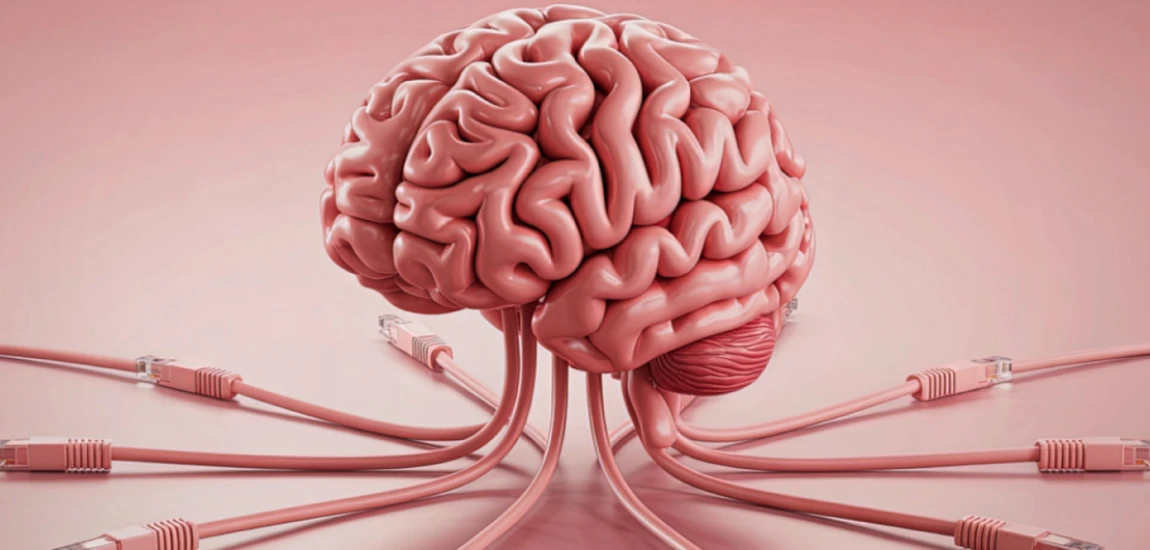
Brain–Computer Interface (BCI) intelligence systems represent a revolutionary step in the evolution of human–machine interaction. Unlike traditional interfaces that rely on physical actions such as typing or touching, BCIs allow direct communication between the brain and digital systems. This is made possible through neural signal communication frameworks that capture, interpret, and translate brain activity into actionable commands. As a result, individuals can control devices, communicate, and interact with technology using only their thoughts.
The rapid progress in artificial intelligence, neuroscience, and computing technologies has significantly enhanced the capabilities of BCI systems. These systems are no longer limited to experimental environments; they are now being deployed in real-world applications such as healthcare, gaming, and assistive technologies. By bridging the gap between biological intelligence and machine intelligence, BCIs are redefining how humans engage with digital ecosystems.
Understanding Brain–Computer Interface Intelligence Systems

What Are Brain–Computer Interfaces
Brain–Computer Interfaces are sophisticated systems designed to establish a direct link between the human brain and external devices. They function by capturing neural signals generated by brain activity and converting them into commands that machines can understand. These systems can either be invasive, involving implanted electrodes, or non-invasive, using wearable devices that detect brain signals externally.
The purpose of BCIs is to create a seamless communication channel that eliminates the need for traditional input devices. This is particularly beneficial for individuals with physical disabilities, as it allows them to interact with their environment in ways that were previously impossible. By enabling thought-based control, BCIs are opening new avenues for accessibility and independence.
Evolution of BCI Technology
The development of BCI technology has undergone significant transformation over the years. Early systems were limited in their ability to accurately interpret neural signals, but advancements in machine learning and computational power have greatly improved their performance. Modern BCIs are capable of processing complex neural data in real time, allowing for faster and more reliable interactions.
In addition to improvements in software, hardware advancements have also played a crucial role. Sensors and electrodes have become more precise and less intrusive, making BCI systems more practical for everyday use. These developments have expanded the potential applications of BCIs, making them a key area of innovation in modern technology.
Key Components of BCI Systems
A BCI system is composed of several interconnected components that work together to facilitate communication between the brain and machines. The process begins with signal acquisition, where neural activity is captured using specialized sensors. This data is then processed to remove noise and enhance signal quality.
Following this, feature extraction techniques identify meaningful patterns within the data, which are then analyzed using classification algorithms. These algorithms translate neural signals into commands that can be executed by external devices. This integrated process forms the foundation of neural signal communication frameworks, enabling efficient and accurate interaction.
Neural Signal Communication Frameworks Explained

How Neural Signals Are Generated
Neural signals are electrical impulses produced by neurons as they communicate with each other. These signals represent a wide range of cognitive processes, including thoughts, intentions, and sensory experiences. Each region of the brain generates unique patterns of activity, which can be detected and analyzed by BCI systems.
Understanding the generation of neural signals is essential for designing effective communication frameworks. By studying these patterns, researchers can develop systems that accurately interpret user intent and translate it into meaningful actions.
Signal Processing and Interpretation
Once neural signals are captured, they must be processed to extract useful information. This involves removing noise, normalizing the data, and transforming it into a format suitable for analysis. Advanced algorithms are then used to identify patterns and predict user intentions.
Machine learning plays a vital role in this process, enabling systems to learn from data and improve over time. By continuously adapting to user behavior, BCI systems can achieve higher levels of accuracy and efficiency, making them more reliable for real-world applications.
Communication Protocols in BCI Systems
Neural signal communication frameworks rely on structured protocols to manage the flow of data between the brain and external devices. These protocols define how signals are encoded, transmitted, and decoded, ensuring reliable communication.
Many BCI systems also incorporate feedback mechanisms that allow users to receive real-time responses. This creates a closed-loop system where both the user and the technology continuously adapt to each other, enhancing overall performance and usability.
Applications of BCI Intelligence Systems

Healthcare and Neurorehabilitation
One of the most impactful applications of BCI technology is in healthcare. These systems are being used to help individuals with neurological disorders regain lost functions. For instance, patients with paralysis can use BCIs to control prosthetic limbs or communicate through digital interfaces.
In neurorehabilitation, BCIs are used to retrain the brain after injuries such as strokes. By providing real-time feedback, these systems help patients rebuild neural pathways and improve recovery outcomes, making them a powerful tool in modern medicine.
Human Augmentation and Cognitive Enhancement
BCIs are also being explored for their potential to enhance human capabilities. These systems can improve memory, focus, and decision-making by integrating AI-driven insights directly into the brain. This opens up new possibilities for human augmentation and performance optimization.
In high-performance environments, such as aviation and defense, BCIs can enhance situational awareness and reaction times. This makes them valuable tools for improving efficiency and effectiveness in critical tasks.
Gaming, Entertainment, and Virtual Reality
The entertainment industry is rapidly adopting BCI technology to create more immersive experiences. In gaming, players can control characters using their thoughts, resulting in more intuitive and engaging gameplay.
Virtual reality systems integrated with BCIs can respond to users’ cognitive and emotional states, creating highly personalized experiences. This level of immersion is transforming how users interact with digital environments, making entertainment more interactive and dynamic.
Technologies Powering BCI Systems

Artificial Intelligence and Machine Learning
Artificial intelligence is a fundamental component of BCI intelligence systems. Machine learning algorithms analyze neural data to identify patterns and predict user intent. These systems become more accurate over time as they learn from user interactions.
Deep learning models are particularly effective in decoding complex neural signals, enabling more precise communication between the brain and machines. This makes AI an essential driver of innovation in BCI technology.
Sensor Technologies and Wearable Devices
Advancements in sensor technology have significantly improved the performance of BCIs. Modern sensors are capable of capturing high-resolution neural data, making it easier to interpret brain activity accurately.
Wearable devices, such as EEG headsets, have made BCI technology more accessible to the general public. These devices are designed for comfort and ease of use, allowing users to incorporate BCIs into their daily routines.
Cloud Computing and Edge Processing
BCI systems generate large amounts of data that require efficient processing and storage. Cloud computing provides the infrastructure needed to handle this data, enabling real-time analysis and scalability.
Edge computing allows data to be processed closer to the source, reducing latency and improving response times. This is particularly important for applications that require immediate feedback, such as medical interventions and interactive gaming.
Challenges and Ethical Considerations

Technical Limitations
Despite their potential, BCI systems face several technical challenges. Issues such as signal noise, limited bandwidth, and variability in brain activity can affect performance. Researchers are continuously working to develop more robust algorithms and improve hardware design.
Integration with existing technologies is another challenge, as it requires standardized frameworks and protocols to ensure seamless operation across different platforms.
Privacy and Data Security
The collection of neural data raises significant concerns about privacy and security. Unauthorized access to this data could have serious implications, making it essential to implement strong protection measures.
Developers must prioritize encryption, secure storage, and transparent data policies to build trust and ensure user safety.
Ethical Implications of Human Enhancement
The potential for human enhancement through BCIs raises important ethical questions. Enhancing cognitive abilities or altering brain functions could lead to inequalities and ethical dilemmas.
There is also the risk of misuse, such as manipulating thoughts or behaviors. Establishing ethical guidelines and regulatory frameworks is crucial for ensuring responsible development and deployment.


Anil Polat, behind the blog "FoxNomad," combines technology and travel. A computer security engineer by profession, he focuses on the tech aspects of travel.
Anil Polat

Prev Post

Next Post