
Bio-Integrated AI Systems and Neural Interface Computing Architectures
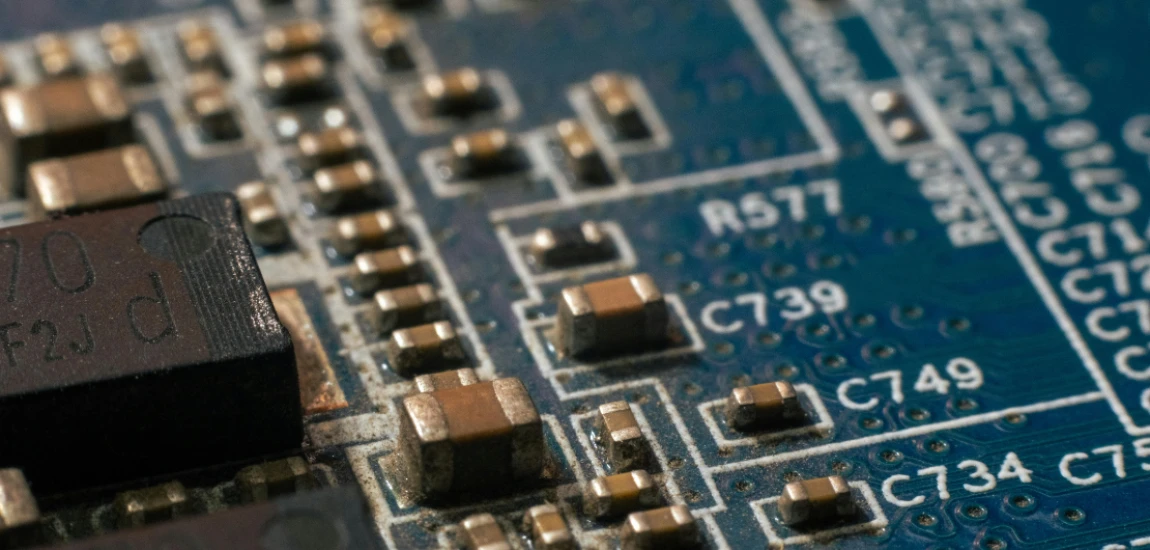
Bio-integrated AI systems are at the forefront of a technological revolution that is transforming how humans interact with machines. By merging artificial intelligence with biological systems, particularly the human brain, these innovations are enabling direct communication between neural activity and computing architectures. Neural interface computing architectures, often referred to as brain-computer interfaces (BCIs), allow signals from the brain to be interpreted, processed, and translated into digital actions in real time. This breakthrough is opening new possibilities in healthcare, communication, and human augmentation. From restoring mobility in paralyzed individuals to enhancing cognitive capabilities, bio-integrated AI systems are pushing the boundaries of what technology can achieve. As research advances, these systems are expected to become more accessible, efficient, and impactful across multiple industries.
Understanding Bio-Integrated AI Systems

Definition and Core Concept
Bio-integrated AI systems refer to technologies that combine artificial intelligence with biological components to create seamless interaction between humans and machines. These systems use sensors, neural signals, and machine learning algorithms to interpret biological data and convert it into actionable outputs.
Unlike traditional AI systems that rely solely on external inputs such as keyboards or touchscreens, bio-integrated AI systems interact directly with the human body. This enables more natural and intuitive communication, reducing the need for physical interfaces.
Evolution of Human-Machine Interaction
The evolution of human-machine interaction has moved from mechanical interfaces to graphical user interfaces and now to neural interfaces. Each stage has brought us closer to more intuitive and efficient communication.
Bio-integrated AI represents the next step in this evolution, where machines can understand and respond to human thoughts and intentions in real time.
Importance in Modern Technology
These systems are becoming increasingly important as the demand for seamless and efficient interaction grows. They have the potential to revolutionize industries such as healthcare, education, and entertainment by enabling new forms of communication and control.
Neural Interface Computing Architectures Explained

What Are Neural Interfaces
Neural interfaces are systems that connect the human brain to external devices, allowing for direct communication between neural activity and computers. These interfaces can be invasive, semi-invasive, or non-invasive, depending on how they interact with the brain.
Non-invasive interfaces use technologies such as EEG to measure brain activity, while invasive interfaces involve implanting electrodes directly into the brain for more precise data collection.
How Neural Signals Are Processed
Neural interface computing architectures use advanced algorithms to process brain signals. These signals are captured by sensors, converted into digital data, and analyzed using machine learning models.
The processed data is then translated into commands that can control devices such as computers, prosthetics, or robotic systems.
Integration with AI Systems
Artificial intelligence plays a crucial role in interpreting complex neural signals. Machine learning algorithms can identify patterns in brain activity, enabling more accurate and efficient communication.
This integration enhances the capabilities of neural interfaces, making them more responsive and reliable.
Core Technologies Powering Bio-Integrated AI

Brain-Computer Interfaces (BCIs)
Brain-computer interfaces are the foundation of bio-integrated AI systems. They enable direct communication between the brain and external devices, allowing users to control technology using their thoughts.
BCIs are used in various applications, from medical rehabilitation to gaming and virtual reality.
Machine Learning and Neural Decoding
Machine learning algorithms are essential for decoding neural signals. These algorithms analyze patterns in brain activity and translate them into meaningful outputs.
As these models improve, they become more accurate and efficient, enabling more advanced applications.
Biosensors and Signal Processing
Biosensors are used to capture biological data, such as brain activity, heart rate, and muscle movements. Signal processing techniques are then used to filter and analyze this data.
These technologies ensure that the data used by AI systems is accurate and reliable.
Applications Across Industries

Healthcare and Neurorehabilitation
Bio-integrated AI systems are transforming healthcare by enabling new treatments and therapies. For example, BCIs can help patients with paralysis regain mobility by controlling prosthetic limbs.
These systems can also assist in diagnosing neurological disorders and monitoring patient health.
Communication and Accessibility
Neural interfaces can improve communication for individuals with disabilities. For example, patients with speech impairments can use BCIs to communicate through text or speech synthesis.
This technology enhances accessibility and improves quality of life.
Human Augmentation and Performance Enhancement
Bio-integrated AI systems can enhance human capabilities by improving cognitive functions and physical performance. This includes applications in education, sports, and military training.


Derek Baron, also known as "Wandering Earl," offers an authentic look at long-term travel. His blog contains travel stories, tips, and the realities of a nomadic lifestyle.
Derek Baron

Prev Post

Next Post