
Biohybrid Robotics Engineering Platforms and the Integration of Living Tissue with Intelligent Machines
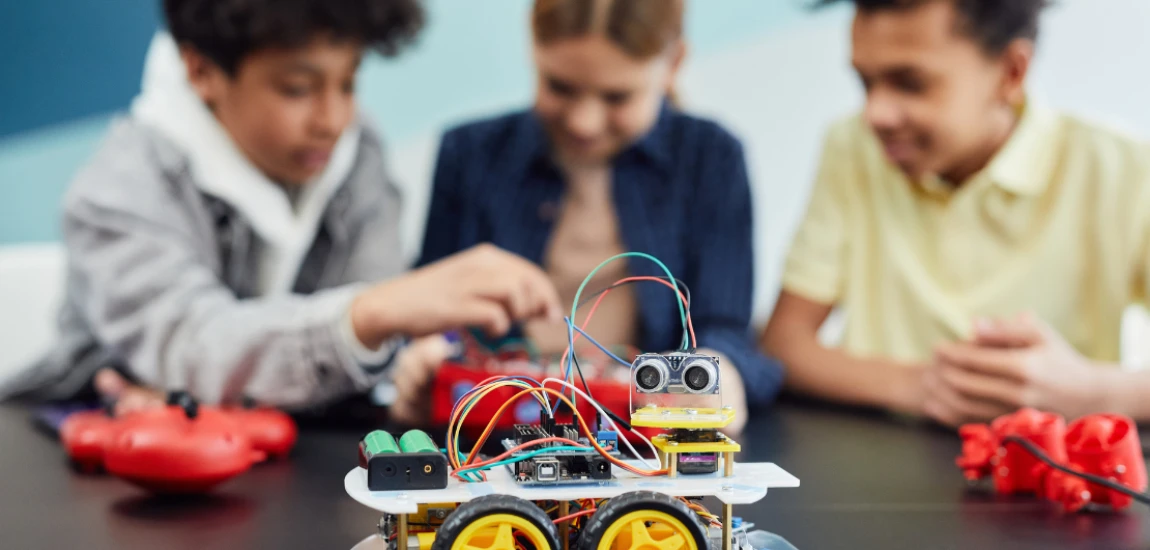
The boundaries between biology and technology are rapidly disappearing as researchers develop innovative systems that combine living tissues with advanced robotics. This emerging field, known as biohybrid robotics engineering, represents one of the most fascinating technological frontiers of the twenty-first century. By integrating biological components such as muscle cells, neural tissues, and living biomaterials with intelligent machines, scientists are creating robotic systems that exhibit characteristics traditionally associated only with living organisms.
Unlike conventional robots, which rely entirely on mechanical parts and electronic control systems, biohybrid robots leverage biological mechanisms to achieve greater adaptability, flexibility, energy efficiency, and responsiveness. These systems have the potential to revolutionize healthcare, manufacturing, environmental monitoring, space exploration, and numerous other industries.
Advancements in artificial intelligence, tissue engineering, biotechnology, regenerative medicine, and advanced materials science are accelerating the development of biohybrid robotics platforms. As these technologies mature, the possibility of creating machines that can self-heal, adapt to changing environments, and interact more naturally with humans becomes increasingly realistic.
The rise of biohybrid robotics engineering platforms signals a transformative shift in how intelligent systems are designed. Instead of building machines that merely imitate biological functions, researchers are now incorporating actual living tissues into robotic architectures, creating entirely new forms of intelligent systems capable of unprecedented performance and functionality.
Understanding Biohybrid Robotics Engineering Platforms

The Concept Behind Biohybrid Robotics
Biohybrid robotics refers to the integration of living biological components with engineered robotic systems. Rather than relying solely on motors, gears, and traditional actuators, biohybrid robots utilize biological tissues such as muscle fibers, neurons, or engineered cells to perform specific functions. These living components provide capabilities that are difficult or impossible to achieve using conventional mechanical technologies alone.
The concept emerged from the growing realization that biological systems possess remarkable efficiencies developed through millions of years of evolution. Muscles, for example, can generate movement with exceptional energy efficiency while adapting dynamically to environmental conditions. Similarly, neural tissues process information in highly sophisticated ways that inspire advanced computational models.
Researchers seek to harness these biological advantages by integrating them directly into robotic systems. The result is a new class of machines capable of more natural movement, enhanced adaptability, and improved interaction with complex environments.
Components of a Biohybrid Platform
A typical biohybrid robotics platform consists of biological tissues, structural frameworks, sensors, control systems, and artificial intelligence algorithms. The biological components perform specific functions such as movement or sensing, while engineered systems provide stability, communication, and computational capabilities.
Advanced biomaterials often serve as interfaces between living tissues and robotic structures. These materials facilitate communication between biological and electronic components, ensuring efficient system performance.
Why Biohybrid Systems Matter
Biohybrid platforms represent a significant departure from traditional robotics. They offer opportunities to create machines that are more resilient, adaptive, and efficient. As technological limitations of conventional robotics become increasingly apparent, biohybrid approaches provide innovative solutions capable of addressing complex real-world challenges.
The Role of Living Tissues in Intelligent Machines

Biological Muscles as Natural Actuators
One of the most promising applications of living tissues in robotics involves the use of muscle cells as actuators. Biological muscles offer several advantages over conventional motors, including flexibility, efficiency, and responsiveness. Engineered muscle tissues can contract and relax naturally, generating smooth and adaptive movement.
Scientists have successfully grown muscle tissues in laboratory environments and integrated them into robotic structures. These muscle-powered systems demonstrate movement capabilities that closely resemble those found in living organisms.
As tissue engineering techniques continue to improve, biological actuators may become increasingly practical for advanced robotic applications.
Neural Tissues and Intelligent Control
Neural tissues provide another exciting avenue for biohybrid robotics development. Living neurons can process information, adapt to stimuli, and learn from experience. Researchers are exploring ways to integrate neural networks with robotic control systems to create more intelligent and adaptive machines.
Biological neural components may enhance machine learning capabilities and enable robots to respond more effectively to dynamic environments. Such systems could support advanced decision-making processes that mimic natural cognitive functions.
Self-Repair and Regeneration
Unlike traditional robotic components that require replacement when damaged, living tissues possess the ability to repair themselves. This regenerative capability represents one of the most compelling advantages of biohybrid robotics.
Self-healing systems could significantly reduce maintenance costs and extend operational lifespans. Future biohybrid robots may be capable of recovering from damage without human intervention, improving reliability across various applications.
Artificial Intelligence and Biohybrid Robotics Integration

Enhancing Biological Performance Through AI
Artificial intelligence plays a crucial role in optimizing the performance of biohybrid robotic systems. AI algorithms analyze data from biological and mechanical components, enabling continuous adaptation and improvement.
Machine learning models can identify patterns, predict system behavior, and optimize control strategies in real time. This capability ensures that biohybrid systems operate efficiently under changing conditions.
The integration of AI significantly enhances the practical viability of living-machine collaborations.
Intelligent Human-Machine Interaction
Biohybrid robots have the potential to interact with humans in more natural and intuitive ways. Biological components can improve sensory perception and responsiveness, enabling smoother communication between people and machines.
Advanced AI systems interpret biological signals and environmental inputs to facilitate intelligent interactions. These capabilities are particularly valuable in healthcare, rehabilitation, and assistive technology applications.
Naturalistic interaction may become a defining characteristic of future robotic systems.
Adaptive Learning Systems
One of the greatest strengths of combining AI with biological tissues is the potential for adaptive learning. Biohybrid robots may continuously refine their behaviors based on experience, environmental feedback, and user interactions.
Such adaptability could enable autonomous systems to perform increasingly complex tasks with minimal supervision. This capability expands the range of applications available to next-generation intelligent machines.
Healthcare Applications of Biohybrid Robotics

Advanced Prosthetics and Rehabilitation
Healthcare is among the sectors most likely to benefit from biohybrid robotics engineering platforms. Biological tissues can improve the functionality of prosthetic devices, creating more natural movement and sensory experiences.
Patients may gain greater control and comfort through biohybrid prosthetics that integrate directly with biological systems. Such devices could significantly enhance quality of life for individuals with disabilities.
These innovations represent a major step toward seamless human-machine integration.
Organ Assistance and Medical Devices
Biohybrid technologies may also contribute to the development of advanced medical devices capable of supporting or replacing damaged organs. Engineered tissues combined with intelligent control systems could create highly effective therapeutic solutions.
Researchers are exploring biohybrid heart pumps, artificial muscles, and tissue-integrated medical implants that respond dynamically to patient needs.
These developments have the potential to transform modern healthcare delivery.
Personalized Treatment Solutions
Biohybrid systems can be customized to match individual patient requirements. Personalized medical technologies may improve treatment effectiveness while reducing complications and recovery times.
As precision medicine advances, biohybrid robotics could become an essential component of individualized healthcare strategies.


Shivya Nath authors "The Shooting Star," a blog that covers responsible and off-the-beaten-path travel. She writes about sustainable tourism and community-based experiences.
Shivya Nath
Prev Post

Next Post