
Bioelectronic Neural Interface Systems and the Evolution of Intelligent Human–Machine Integration
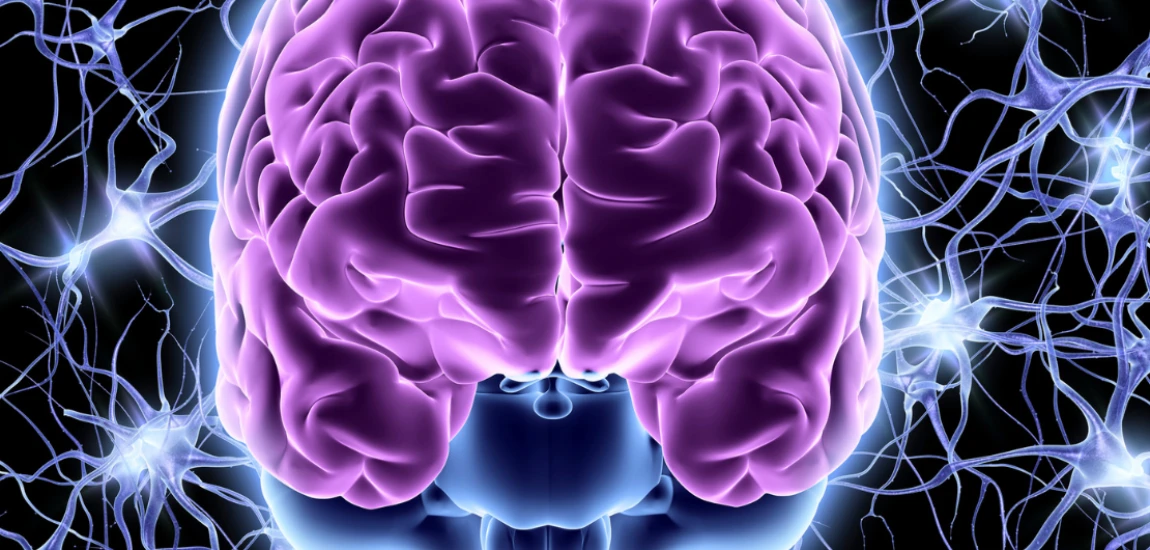
The relationship between humans and machines is entering a new technological era. For decades, people have interacted with computers through keyboards, touchscreens, microphones, cameras, and other external interfaces. These technologies have become increasingly intuitive, but communication between biological systems and machines still depends largely on physical devices. The next stage of innovation could move beyond traditional interfaces by creating direct communication pathways between the human nervous system and electronic technology.
At the center of this transformation are bioelectronic neural interface systems. These systems combine neuroscience, bioelectronics, artificial intelligence, neural engineering, advanced sensors, robotics, and medical technology to interpret signals generated by the nervous system and translate them into digital commands.
A neural interface could potentially detect electrical activity associated with movement, sensation, memory, or other biological processes. Advanced algorithms could then analyze these signals and use them to control external devices. In the opposite direction, electronic systems could potentially deliver carefully designed signals back to the nervous system.
This creates the possibility of two-way communication between biology and technology. A person could control a robotic limb through neural signals, while a sensory device could provide feedback to the nervous system. In the future, such systems could support medical rehabilitation, assistive technology, immersive computing, robotics, and new forms of human–machine collaboration.
The development of intelligent neural interfaces is not simply about connecting the brain to a computer. It involves creating systems capable of understanding biological signals, adapting to individual users, responding in real time, and operating safely within complex human environments.
As artificial intelligence becomes more capable, neural interface systems may also become more intelligent. AI could help interpret noisy neural signals, personalize interfaces, and predict user intentions.
However, this emerging field also raises important questions about privacy, safety, data ownership, human autonomy, and ethics. The evolution of human–machine integration will therefore require not only scientific progress but also careful consideration of how technology should interact with the human mind and body.
Understanding Bioelectronic Neural Interface Systems

Connecting Biology and Electronics
Bioelectronic neural interface systems are technologies designed to create communication pathways between biological nervous systems and electronic devices. The nervous system communicates through electrical and chemical signals, while computers process digital information.
Neural interfaces attempt to translate between these two forms of communication. Sensors can detect neural activity, while electronic systems process the signals and convert them into useful commands.
For example, a neural interface could detect signals associated with the intention to move a hand. An AI system could interpret the signal and use it to control a robotic device.
This creates a communication bridge between biological intention and machine action.
Invasive and Non-Invasive Technologies
Neural interface systems can be designed using different approaches. Some technologies use external sensors placed on the body, while others use implanted devices positioned closer to neural tissue.
Non-invasive systems can be easier to deploy and may reduce medical risks, but they may receive weaker or less precise signals.
Implanted systems may provide more detailed neural information, but they involve complex medical procedures and long-term safety considerations.
Researchers continue to explore new materials and methods that could make neural interfaces more accurate, durable, and biocompatible.
The Importance of Bidirectional Communication
Many early neural interfaces focused on reading signals from the nervous system. Future systems may increasingly support two-way communication.
A device could receive commands from the brain and send sensory feedback back to the user. This could be particularly valuable for prosthetics, rehabilitation systems, and robotic control.
Bidirectional communication could make human–machine interaction feel more natural and responsive.
Artificial Intelligence and Neural Signal Interpretation

Understanding Complex Biological Signals
Neural signals are extremely complex. They can vary between individuals and may change over time.
AI and machine learning can help identify patterns within neural data. Algorithms can analyze large quantities of signals and determine which patterns are associated with specific intentions or actions.
This could improve the accuracy of neural interface systems.
Personalized Neural Decoding
Every nervous system is unique. A neural interface designed for one person may not work exactly the same way for another.
AI systems can personalize neural decoding by learning the user's individual signal patterns.
Over time, the system could adapt to changes in neural activity, movement, fatigue, and other factors.
This continuous learning could improve reliability and usability.
Predicting Intent Before Movement
Advanced neural interfaces may eventually detect the intention to perform an action before the physical movement occurs.
For example, an AI system could identify a user's intention to reach for an object and prepare a robotic device to respond.
This could create faster and more natural interactions between humans and machines.
Medical Applications of Intelligent Neural Interfaces

Restoring Movement and Communication
One of the most important applications of bioelectronic neural interface systems is medical assistance.
People who have lost movement or communication abilities may benefit from systems capable of interpreting neural signals.
A neural interface could allow a user to control a computer cursor, robotic device, or assistive technology through brain activity.
This could create new opportunities for communication and independence.
Advanced Prosthetic Control
Traditional prosthetics are often controlled through physical movements or muscle signals. Neural interfaces could provide more direct control.
A user might control a robotic limb through neural activity associated with movement intention.
Future systems could also provide sensory feedback, allowing users to receive information about pressure, touch, or movement.
This could make prosthetic devices more intuitive.
Supporting Rehabilitation
Neural interfaces could also support rehabilitation after neurological injury.
A system might detect attempted movement and provide assistance through robotic devices or electrical stimulation.
The combination of neural activity and physical feedback could help support training and recovery programs.
Intelligent Human–Machine Integration Beyond Healthcare

Controlling Robots Through Neural Signals
Neural interfaces could allow people to control robots more directly.
A user might operate a robotic arm, autonomous vehicle, or industrial machine through neural commands.
This could be useful in environments that are dangerous, remote, or difficult for humans to access.
Human operators could provide high-level intentions while autonomous systems manage complex physical movements.
Immersive Virtual and Augmented Reality
Neural interfaces could transform immersive computing. Instead of relying only on controllers, users might interact with virtual environments through neural signals.
A system could detect attention, intention, or commands and translate them into actions within a digital environment.
This could create more natural forms of interaction for gaming, education, design, and remote collaboration.
Personalized Digital Assistants
Future AI assistants could potentially respond to more than spoken commands. Neural interfaces might provide information about user intent, attention, or cognitive workload.
An intelligent assistant could adapt its behavior based on the user's interaction patterns.
However, such systems would require strict privacy controls and clear user consent.


Ben Schlappig runs "One Mile at a Time," focusing on aviation and frequent flying. He offers insights on maximizing travel points, airline reviews, and industry news.
Ben Schlappig

Prev Post

Next Post