
Bio-Digital Neural Integration and Human–Machine Cognitive Fusion
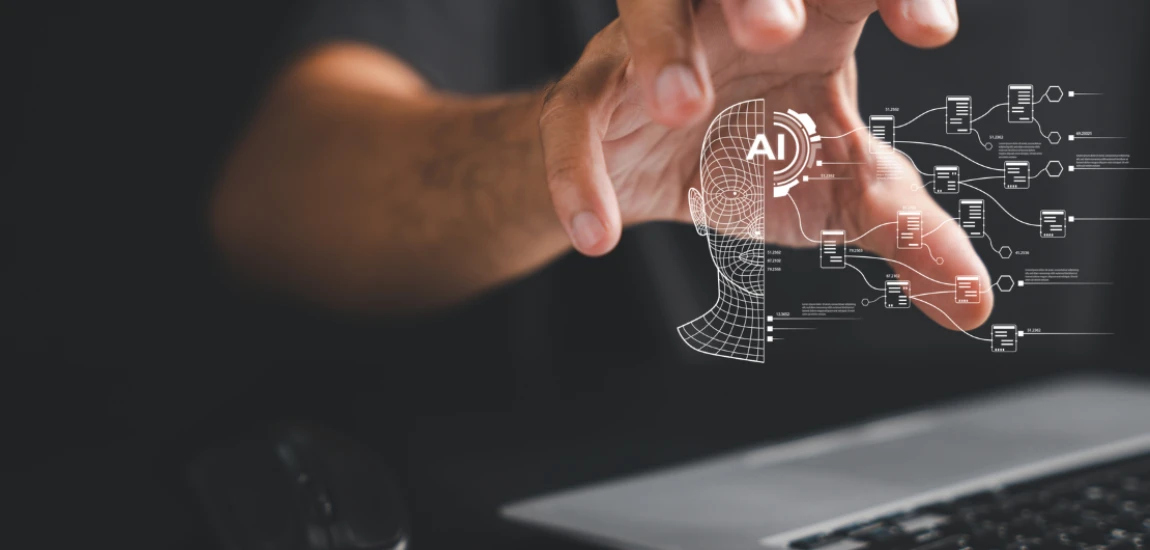
Bio-digital neural integration and human–machine cognitive fusion represent a revolutionary convergence of biology and digital intelligence, where the human brain can directly communicate with machines to enhance cognitive performance and decision-making. This transformative field combines artificial intelligence, neuroscience, and advanced bioengineering to create systems that can interpret neural signals, translate them into digital commands, and even send information back to the brain. Unlike traditional interfaces, these systems remove physical barriers and enable seamless interaction between thought and computation. As industries demand faster processing, enhanced learning, and deeper human–machine collaboration, bio-digital integration is emerging as a cornerstone of next-generation technology, promising breakthroughs in healthcare, education, productivity, and human augmentation.
Understanding Bio-Digital Neural Integration

Bio-digital neural integration is fundamentally about bridging the biological intelligence of the human brain with the computational power of digital systems. This integration enables a two-way communication channel where neural signals are decoded into machine-readable data and machine outputs are encoded back into neural stimuli.
Definition and Core Principles
At its foundation, bio-digital neural integration operates through neural signal acquisition, decoding, and feedback loops. Neural signals generated by the brain are captured through sensors or implants, processed using AI algorithms, and converted into actionable outputs. This system allows users to control devices, interact with digital environments, and even enhance cognitive functions. The bidirectional nature ensures that machines can also provide feedback to the brain, creating a continuous interaction loop.
Evolution from Traditional Interfaces
The transition from keyboards and touchscreens to neural interfaces marks a significant leap in human-computer interaction. Traditional interfaces rely on physical movement and sensory input, which introduce latency and limitations. Bio-digital systems eliminate these constraints by enabling direct brain communication, resulting in faster response times and more intuitive interactions. This evolution is particularly important in high-stakes environments such as medical procedures or defense systems, where speed and accuracy are critical.
Role of Neuroscience and AI
Neuroscience provides the understanding of how neural pathways function, while AI enables the interpretation of complex neural data. Machine learning models are trained to recognize patterns in brain activity, allowing systems to predict user intent with high accuracy. This combination is essential for creating adaptive systems that can evolve with the user over time, improving efficiency and personalization.
Foundations of Human–Machine Cognitive Fusion

Human–machine cognitive fusion extends beyond integration by creating a collaborative system where human intelligence and machine intelligence operate as a unified entity. This approach leverages the strengths of both to achieve superior outcomes.
Concept of Cognitive Augmentation
Cognitive augmentation focuses on enhancing human mental capabilities through technology. This includes improving memory retention, increasing focus, and accelerating learning processes. For example, neural interfaces can provide instant access to information, enabling users to process data more efficiently. Over time, this can lead to significant improvements in productivity and innovation.
Symbiotic Intelligence Systems
In a symbiotic system, humans and machines complement each other. Machines excel at processing large datasets and performing repetitive tasks, while humans bring creativity, intuition, and emotional intelligence. By combining these strengths, cognitive fusion systems create a balanced and highly efficient decision-making environment. This synergy is particularly valuable in complex scenarios where both analytical and creative thinking are required.
Real-Time Neural Interaction
Real-time interaction is a defining feature of cognitive fusion. Neural signals are processed instantly, allowing for immediate responses and actions. This capability is crucial in applications such as surgical procedures, where delays can have serious consequences. Continuous interaction also enables systems to learn and adapt dynamically, improving performance over time.
Key Technologies Enabling Neural Integration

The development of bio-digital neural integration relies on several advanced technologies that work together to enable seamless communication between the brain and machines.
Brain-Computer Interfaces (BCIs)
BCIs are the primary technology behind neural integration. They capture electrical signals from the brain and translate them into digital commands. These interfaces can be non-invasive, such as EEG-based systems, or invasive, involving implanted electrodes. Each approach has its advantages and challenges, with ongoing research focused on improving accuracy and safety.
Neural Signal Processing and AI Models
Processing neural data is a complex task due to its high variability and noise. AI models play a crucial role in filtering and interpreting these signals. Advanced algorithms can identify patterns and predict user intentions, enabling more accurate and reliable interactions. Continuous improvements in AI are enhancing the capabilities of these systems.
Wearable and Implantable Devices
Wearable devices, such as headsets, and implantable technologies are essential for facilitating neural integration. These devices are becoming more compact, efficient, and user-friendly. Innovations in materials and design are also improving comfort and reducing risks, making these technologies more accessible.
Benefits of Bio-Digital Cognitive Fusion

Bio-digital neural integration offers a wide range of benefits that enhance human capabilities and improve efficiency across various domains.
Enhanced Cognitive Abilities
One of the most significant advantages is the ability to enhance cognitive functions such as memory, attention, and problem-solving. By integrating digital tools directly with the brain, users can process information more quickly and accurately. This can lead to improved performance in both personal and professional settings.
Improved Accessibility and Inclusivity
These systems have the potential to transform the lives of individuals with disabilities. For example, people with mobility impairments can use neural interfaces to control prosthetics or communicate effectively. This improves independence and quality of life.
Faster Decision-Making and Productivity
Direct neural interaction reduces the time required to process information and make decisions. This is particularly valuable in industries where speed and accuracy are critical. Increased productivity and efficiency can lead to significant economic benefits.
Real-World Applications and Use Cases

Bio-digital neural integration is already being applied in various fields, demonstrating its transformative potential.
Healthcare and Neurorehabilitation
In healthcare, neural integration is used for treating neurological disorders and aiding rehabilitation. Patients can regain lost functions, such as movement or speech, through neural-controlled devices. This technology is also being used for pain management and mental health treatment.
Education and Skill Enhancement
In education, these systems can provide personalized learning experiences. Students can access information directly and learn at their own pace. This can significantly improve learning outcomes and skill development.
Defense and Human Augmentation
In defense, cognitive fusion enhances situational awareness and decision-making capabilities. Soldiers can process information more quickly and respond effectively to complex scenarios. This provides a strategic advantage in critical operations.


Anil Polat, behind the blog "FoxNomad," combines technology and travel. A computer security engineer by profession, he focuses on the tech aspects of travel.
Anil Polat
Prev Post

Next Post