
Autonomous Supply Chain Intelligence Systems: Smart Logistics Optimization for the Future
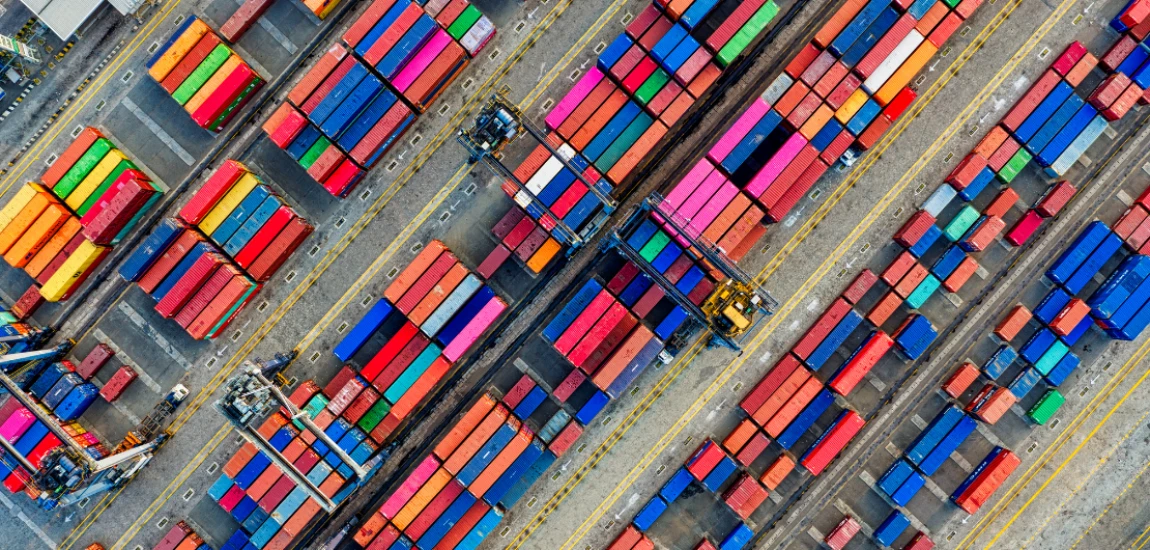
Autonomous supply chain intelligence systems are redefining how global trade, manufacturing, and logistics operations function in an increasingly complex and fast-paced world. Traditional supply chains often rely on manual decision-making, static planning models, and fragmented data systems, which can lead to inefficiencies, delays, and increased operational costs. In contrast, smart logistics optimization frameworks powered by artificial intelligence, machine learning, and real-time data analytics enable end-to-end visibility, predictive decision-making, and automated coordination across supply chain networks. These systems integrate data from suppliers, manufacturers, warehouses, transportation networks, and retail channels to create a unified intelligent ecosystem capable of self-optimization. As industries face rising demand for faster deliveries, cost efficiency, and sustainability, autonomous supply chain systems are becoming essential for maintaining competitive advantage. From predicting demand fluctuations and optimizing inventory levels to automating route planning and reducing carbon footprints, these technologies are transforming logistics into a fully intelligent and adaptive system. This blog explores the architecture, technologies, applications, challenges, and future trends of autonomous supply chain intelligence systems, offering insights into how businesses can leverage them for operational excellence.
Understanding Autonomous Supply Chain Intelligence Systems

Core Concept and Functionality
Autonomous supply chain intelligence systems are advanced digital ecosystems designed to manage and optimize supply chain operations without continuous human intervention. These systems use AI-driven algorithms to analyze data from multiple sources, predict demand patterns, and automate decision-making processes. Their core functionality includes demand forecasting, inventory optimization, logistics coordination, and real-time monitoring of supply chain activities. By leveraging intelligent automation, these systems can respond dynamically to disruptions and changing market conditions, ensuring seamless operations across the entire supply chain.
Key Components of Intelligent Supply Chains
These systems consist of several interconnected components, including data integration platforms, AI analytics engines, IoT-enabled tracking devices, and automation controllers. Data integration platforms consolidate information from various stakeholders, while AI engines process and analyze this data to generate actionable insights. IoT devices provide real-time visibility into shipments and inventory, and automation controllers execute decisions such as rerouting shipments or adjusting stock levels.
Importance in Modern Logistics
The importance of autonomous supply chain systems lies in their ability to enhance efficiency, reduce costs, and improve responsiveness. In a globalized economy where disruptions can occur at any time, these systems provide resilience and adaptability, making them essential for modern logistics operations.
Evolution of Smart Logistics Optimization Frameworks

Traditional Supply Chain Models
Traditional supply chain models were linear and heavily dependent on manual processes. These systems lacked real-time visibility and were often reactive rather than proactive, leading to inefficiencies and delays in decision-making.
Shift Toward Digital Transformation
The introduction of digital technologies marked a significant shift in supply chain management. Enterprise resource planning (ERP) systems and basic automation tools improved efficiency but still lacked intelligence and predictive capabilities.
Rise of AI-Driven Logistics Systems
AI-driven logistics systems represent the next stage of evolution, enabling predictive analytics, real-time optimization, and autonomous decision-making. These systems continuously learn from data, improving performance and adaptability over time.
Core Technologies Powering Autonomous Supply Chains

Artificial Intelligence and Machine Learning
AI and machine learning form the backbone of autonomous supply chain systems. These technologies analyze historical and real-time data to predict demand, optimize routes, and improve operational efficiency. Machine learning models continuously evolve, making systems more accurate over time.
Internet of Things (IoT) and Real-Time Tracking
IoT devices play a crucial role in providing real-time visibility across supply chains. Sensors and connected devices track shipments, monitor environmental conditions, and provide live updates, enabling better decision-making.
Blockchain and Data Security
Blockchain technology ensures transparency and security in supply chain operations. It provides a tamper-proof record of transactions, enhancing trust and accountability among stakeholders.
Smart Logistics Optimization Frameworks

Dynamic Route Optimization
Smart logistics frameworks use AI to determine the most efficient delivery routes in real time. These systems consider factors such as traffic, weather, fuel consumption, and delivery priorities to optimize transportation efficiency.
Predictive Demand and Inventory Management
Predictive analytics allows organizations to forecast demand accurately and manage inventory levels effectively. This reduces overstocking and stockouts, improving overall supply chain efficiency.
Automated Warehouse Management
Automation in warehouses enables faster processing, sorting, and distribution of goods. Robotics and AI systems streamline operations, reducing human error and increasing productivity.
Applications of Autonomous Supply Chain Systems

E-Commerce and Retail Logistics
In e-commerce, autonomous supply chain systems ensure fast and accurate order fulfillment. They optimize warehouse operations and delivery routes to meet customer expectations for rapid delivery.
Manufacturing and Production Planning
Manufacturing industries use these systems to synchronize production schedules with supply chain availability. This ensures efficient resource utilization and minimizes downtime.
Global Trade and Distribution Networks
Autonomous systems facilitate global trade by optimizing cross-border logistics, managing customs processes, and ensuring timely delivery across international markets.


Derek Baron, also known as "Wandering Earl," offers an authentic look at long-term travel. His blog contains travel stories, tips, and the realities of a nomadic lifestyle.
Derek Baron

Prev Post

Next Post