
Autonomous Renewable Energy Harvesting Systems and Infinite Clean Power Optimization Networks
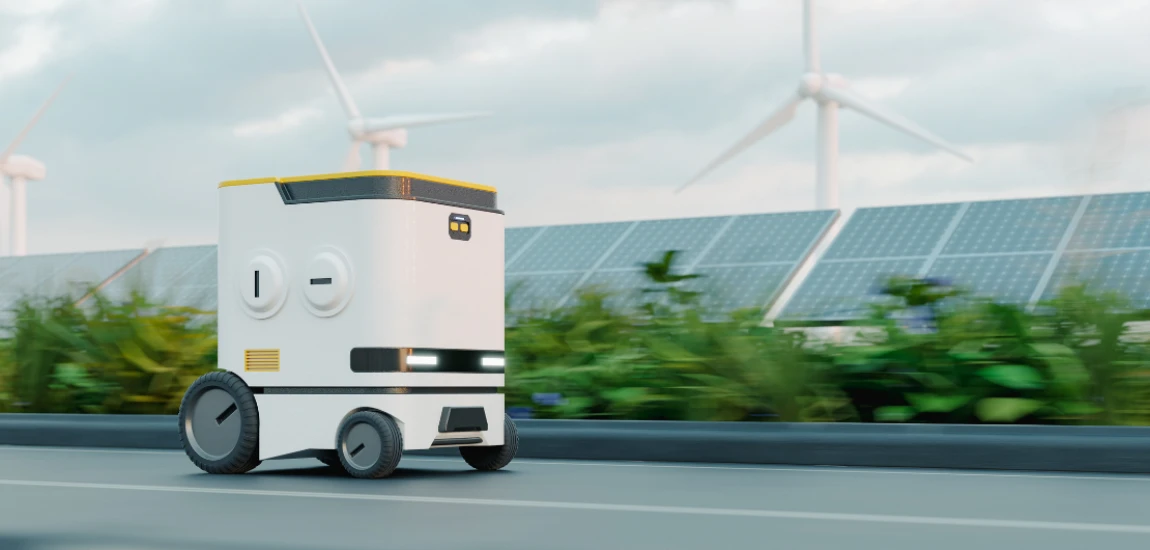
The global demand for energy is rising rapidly as industries expand, populations grow, and digital technologies become more deeply integrated into everyday life. At the same time, climate change and environmental concerns are pushing humanity toward cleaner, more sustainable energy sources. In response to these challenges, researchers and energy innovators are developing Autonomous Renewable Energy Harvesting Systems and Infinite Clean Power Optimization Networks.
These advanced systems combine artificial intelligence, renewable energy technologies, smart grids, IoT sensors, and predictive analytics to create fully automated energy ecosystems. Instead of relying on traditional centralized power plants, future energy systems will generate, store, and distribute electricity through decentralized, self-optimizing networks.
Autonomous renewable energy harvesting systems can collect energy from multiple sources such as solar, wind, hydro, geothermal, and even ambient environmental energy. AI-driven optimization networks then manage energy flow in real time, ensuring maximum efficiency, minimal waste, and continuous power availability.
As global energy infrastructure evolves, these intelligent systems may become the foundation of a sustainable, self-sufficient, and carbon-neutral energy future.
Understanding Autonomous Renewable Energy Harvesting Systems

Autonomous renewable energy harvesting systems are intelligent energy infrastructures designed to collect, manage, and distribute renewable energy automatically using AI, sensors, and smart technologies.
AI-Driven Energy Generation Systems
Artificial intelligence plays a critical role in optimizing renewable energy production. AI algorithms analyze environmental data such as sunlight intensity, wind speed, temperature, and humidity to maximize energy harvesting efficiency.
Machine learning models can predict energy generation patterns and adjust system operations in real time. For example, solar panels may automatically adjust their orientation based on sun movement predictions generated by AI systems.
This intelligent optimization significantly increases energy output while reducing operational inefficiencies.
Multi-Source Renewable Energy Integration
Autonomous energy systems are not limited to a single energy source. Instead, they integrate multiple renewable energy sources into a unified system.
Solar, wind, hydroelectric, geothermal, and bioenergy systems work together to ensure continuous power generation. AI systems determine which energy source is most efficient at any given time based on environmental conditions.
This multi-source integration ensures energy stability even when one source becomes temporarily unavailable.
Smart Energy Harvesting Technologies
Smart energy harvesting involves capturing energy from environmental and ambient sources. This may include kinetic energy from movement, thermal energy from heat differences, and even electromagnetic energy from surrounding environments.
AI-powered systems optimize the collection and conversion of these energy sources into usable electricity. Advanced sensors continuously monitor energy availability and system performance.
These technologies contribute to highly efficient and adaptive energy ecosystems.
Infinite Clean Power Optimization Networks

Infinite clean power optimization networks are advanced digital energy management systems designed to distribute renewable energy efficiently across large-scale infrastructures.
Smart Grid Energy Distribution
Smart grids are modern electricity networks that use digital communication and AI systems to manage energy distribution intelligently.
These grids can automatically balance electricity supply and demand across different regions. AI systems detect energy shortages or surpluses and redistribute power accordingly.
Smart grids improve energy reliability, reduce outages, and enhance system efficiency significantly.
Real-Time Energy Optimization Systems
Real-time optimization systems continuously analyze energy production and consumption patterns. AI algorithms adjust energy flow instantly to minimize waste and maximize efficiency.
These systems can predict peak energy demand and allocate resources proactively. For example, they may store excess solar energy during the day and distribute it during nighttime usage peaks.
This dynamic optimization ensures stable and efficient energy supply at all times.
Decentralized Energy Networks
Decentralized energy systems distribute power generation across multiple smaller units instead of relying on large centralized plants.
Each unit in the network can generate, store, and share energy independently. AI systems coordinate these distributed units to function as a unified energy ecosystem.
Decentralization increases resilience, reduces transmission losses, and improves energy accessibility in remote regions.
Core Technologies Behind Renewable Energy Automation

Several advanced technologies are enabling the development of autonomous renewable energy harvesting systems and intelligent energy networks.
Artificial Intelligence and Predictive Analytics
AI is the backbone of modern energy optimization systems. It analyzes massive datasets related to energy production, weather patterns, and consumption behavior.
Predictive analytics allows systems to forecast energy demand and adjust production accordingly. Machine learning models continuously improve energy efficiency by learning from historical data.
This ensures long-term optimization of renewable energy systems.
Internet of Things in Energy Systems
IoT devices play a crucial role in monitoring and controlling energy infrastructure. Sensors collect real-time data from solar panels, wind turbines, batteries, and transmission lines.
These devices enable seamless communication between different components of the energy network. AI systems use this data to make intelligent decisions about energy distribution.
IoT integration improves system responsiveness and operational transparency.
Advanced Energy Storage Technologies
Energy storage is essential for maintaining consistent power supply in renewable systems. Modern storage technologies include lithium-ion batteries, hydrogen storage, and advanced supercapacitors.
AI systems optimize charging and discharging cycles to extend battery life and improve efficiency. Predictive models ensure energy is stored during low-demand periods and released during peak usage.
Efficient storage systems are critical for stable renewable energy ecosystems.
Applications of Autonomous Energy Harvesting Systems

Autonomous renewable energy systems can transform multiple industries and infrastructure sectors worldwide.
Smart Cities and Urban Energy Management
Smart cities rely heavily on intelligent energy systems to power transportation, buildings, and digital infrastructure.
AI-driven energy networks can optimize electricity usage in real time across urban environments. Buildings may automatically adjust energy consumption based on occupancy and environmental conditions.
This leads to reduced energy waste and lower operational costs in cities.
Industrial Energy Optimization
Industries consume large amounts of energy for manufacturing, processing, and logistics operations. Autonomous energy systems can significantly improve industrial efficiency.
AI systems optimize machinery usage, reduce idle energy consumption, and integrate renewable energy sources into production lines.
This reduces carbon emissions while improving industrial productivity.
Rural and Remote Energy Access
Many remote regions lack reliable access to electricity. Autonomous renewable energy systems can provide decentralized power solutions in these areas.
Solar microgrids, wind systems, and hybrid renewable units can operate independently with AI-based optimization.
This improves energy access and supports economic development in underserved regions.


Derek Baron, also known as "Wandering Earl," offers an authentic look at long-term travel. His blog contains travel stories, tips, and the realities of a nomadic lifestyle.
Derek Baron

Prev Post
Next Post