
Autonomous Deep-Sea Research Systems and AI-Based Ocean Ecosystem Monitoring Architectures
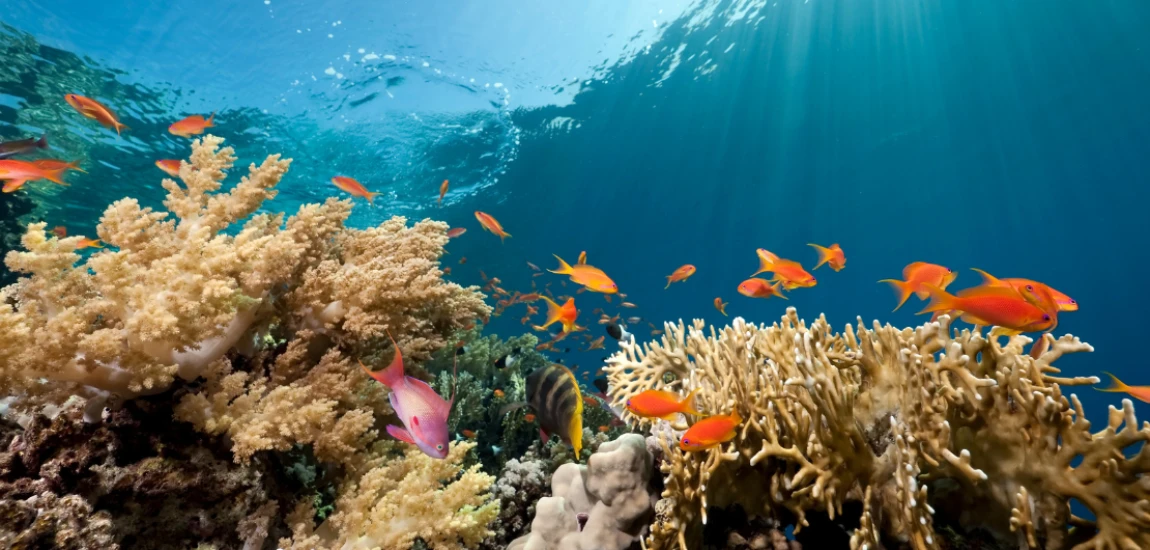
The world’s oceans cover more than 70% of the Earth’s surface, yet much of the deep sea remains unexplored. Harsh underwater conditions, extreme pressure, and limited human accessibility have traditionally made ocean research difficult and expensive. However, recent advancements in autonomous deep-sea research systems and AI-based ocean ecosystem monitoring architectures are transforming marine exploration and environmental monitoring on a global scale.
Artificial intelligence, machine learning, underwater robotics, and advanced sensor networks now allow scientists to collect and analyze ocean data with unprecedented speed and accuracy. Autonomous underwater vehicles (AUVs), remotely operated vehicles (ROVs), smart buoys, and AI-driven marine analytics systems are helping researchers understand ocean biodiversity, detect pollution, monitor climate change, and protect endangered marine ecosystems.
These intelligent systems not only reduce operational costs but also provide continuous real-time monitoring of underwater environments. As climate concerns grow and marine ecosystems face increasing threats, autonomous ocean monitoring technologies are becoming essential tools for sustainable ocean management and scientific discovery.
Understanding Autonomous Deep-Sea Research Systems

Autonomous deep-sea research systems are intelligent underwater technologies designed to perform scientific exploration and monitoring tasks with minimal human intervention. These systems combine robotics, AI algorithms, sensors, navigation technologies, and data analytics to explore deep ocean environments efficiently.
AI-Powered Underwater Robotics
Modern underwater robots are equipped with artificial intelligence capabilities that allow them to make decisions independently during missions. These autonomous systems can avoid obstacles, identify marine species, map underwater terrain, and collect samples without direct human control.
AI-powered underwater robotics improve operational efficiency by reducing dependency on manual piloting and increasing mission duration. These robots can operate in dangerous or inaccessible regions where traditional exploration methods may fail.
Machine learning algorithms also help underwater systems recognize environmental patterns, analyze biological activity, and optimize navigation routes based on ocean conditions. This enables scientists to gather more precise data while minimizing risks and costs.
Advanced Navigation and Positioning Technologies
Navigation in deep-sea environments is highly challenging due to the absence of GPS signals underwater. Autonomous deep-sea systems use acoustic communication, inertial navigation systems, sonar mapping, and AI-assisted localization technologies to navigate accurately.
These intelligent navigation architectures enable underwater vehicles to create real-time maps of ocean floors, underwater caves, hydrothermal vents, and marine habitats. High-precision navigation ensures better scientific data collection and improved operational safety.
AI-driven navigation systems can also adapt to changing ocean currents and environmental conditions, helping autonomous vehicles maintain stability and mission accuracy throughout long-duration operations.
Real-Time Ocean Data Collection
Autonomous research systems continuously collect oceanographic data such as temperature, salinity, pressure, dissolved oxygen, and biological activity. Advanced sensors installed on underwater drones and monitoring stations generate large volumes of real-time environmental information.
AI-based data processing platforms analyze this information instantly, enabling researchers to identify environmental changes, pollution events, and ecosystem disruptions quickly. Real-time monitoring significantly improves marine conservation efforts and disaster response strategies.
Continuous underwater monitoring also helps scientists understand long-term climate patterns and their impact on marine ecosystems worldwide.
The Role of Artificial Intelligence in Ocean Ecosystem Monitoring

Artificial intelligence has become a central component of modern ocean ecosystem monitoring architectures. AI systems help researchers process complex marine datasets, detect anomalies, and generate predictive insights that improve environmental management.
Machine Learning for Marine Biodiversity Analysis
Machine learning algorithms can identify marine species from underwater images, sonar data, and acoustic recordings. AI systems are trained using massive datasets containing information about fish species, coral reefs, plankton populations, and marine mammals.
These intelligent recognition systems enable scientists to monitor biodiversity levels more efficiently and accurately. Automated marine species detection reduces the need for manual analysis and accelerates ecological research.
AI-powered biodiversity monitoring also helps identify endangered species and track migration patterns, supporting conservation programs and sustainable fisheries management.
Predictive Analytics for Climate Change Monitoring
Ocean ecosystems are highly sensitive to climate change, rising temperatures, and ocean acidification. AI-based predictive analytics models help researchers forecast environmental changes and assess their long-term impacts.
Predictive systems analyze historical ocean data, satellite imagery, weather patterns, and underwater sensor readings to generate accurate climate projections. These insights support global climate research and environmental policy development.
AI-driven climate monitoring architectures can also detect early warning signs of coral bleaching, marine heatwaves, and ecosystem collapse, allowing authorities to take preventive action before irreversible damage occurs.
Intelligent Pollution Detection Systems
Ocean pollution poses serious threats to marine life and human health. AI-based monitoring architectures can detect pollutants such as oil spills, chemical contamination, plastic waste, and harmful algal blooms in real time.
Smart underwater sensors combined with computer vision technologies identify pollution sources and track their spread across marine environments. This enables faster response strategies and more effective environmental protection efforts.
Intelligent pollution detection systems also improve regulatory compliance and support sustainable industrial practices in coastal and offshore regions.
Key Components of AI-Based Ocean Monitoring Architectures

AI-based ocean ecosystem monitoring architectures rely on interconnected technologies that work together to provide comprehensive marine intelligence and environmental analysis.
Smart Sensor Networks
Smart sensor networks are essential for collecting environmental data across large ocean regions. These sensors measure water quality, temperature, salinity, oxygen levels, underwater noise, and biological activity.
Connected sensor systems transmit information to cloud-based AI platforms for processing and analysis. Real-time data sharing improves collaboration among marine scientists, environmental agencies, and research institutions.
Advanced sensors are becoming increasingly energy-efficient and capable of operating autonomously for extended periods in harsh underwater conditions.
Cloud Computing and Big Data Analytics
Ocean monitoring systems generate enormous amounts of data every day. Cloud computing infrastructures help researchers store, manage, and process this information efficiently.
AI-powered big data analytics platforms analyze complex marine datasets to identify environmental trends, ecosystem changes, and climate patterns. These insights support scientific discoveries and evidence-based conservation strategies.
Cloud-based architectures also enable remote access to ocean data, allowing global research teams to collaborate on marine studies and environmental projects more effectively.
Autonomous Communication Systems
Reliable underwater communication remains one of the biggest challenges in marine technology. AI-based communication architectures use acoustic signals, satellite connections, and wireless underwater networks to transmit information between autonomous systems and research stations.
Intelligent communication systems optimize data transmission efficiency while reducing energy consumption. These technologies improve coordination among underwater vehicles, monitoring stations, and marine observation platforms.
Enhanced communication architectures also support real-time decision-making during deep-sea exploration missions and emergency environmental responses.
Applications of Autonomous Ocean Research Technologies

Autonomous deep-sea research systems are being used across multiple industries and scientific disciplines to improve ocean exploration, environmental sustainability, and marine resource management.
Marine Conservation and Habitat Protection
AI-based monitoring systems help scientists track coral reef health, monitor marine protected areas, and detect illegal fishing activities. Continuous ecosystem surveillance strengthens conservation efforts and supports biodiversity preservation.
Autonomous underwater vehicles can access fragile ecosystems without causing environmental damage, making them ideal for sustainable marine research operations.
These technologies also help governments enforce environmental regulations and protect endangered marine habitats from human activities.
Offshore Energy and Infrastructure Monitoring
Offshore oil platforms, wind farms, and underwater pipelines require continuous monitoring to ensure operational safety and environmental compliance. Autonomous underwater systems inspect infrastructure for structural damage, corrosion, and leaks.
AI-powered predictive maintenance systems identify potential risks before failures occur, reducing operational costs and environmental hazards.
Intelligent monitoring technologies improve efficiency and safety in offshore industries while supporting sustainable energy development.
Scientific Exploration and Deep-Sea Discovery
Deep-sea exploration missions use autonomous systems to study underwater volcanoes, hydrothermal vents, and unexplored marine ecosystems. AI-driven robotics can operate in extreme environments that are inaccessible to humans.
These technologies are expanding scientific understanding of marine biodiversity, geological formations, and ocean chemistry. Researchers are discovering new species and ecosystems that provide valuable insights into Earth’s environmental history.
Autonomous exploration systems are also contributing to space research by testing technologies designed for extraterrestrial ocean exploration missions.
Challenges Facing AI-Based Ocean Monitoring Systems

Despite their advantages, autonomous deep-sea research systems still face several technical, operational, and environmental challenges.
Harsh Deep-Sea Conditions
Extreme underwater pressure, darkness, corrosive saltwater, and unpredictable ocean currents create difficult operating conditions for autonomous systems. Engineers must design durable technologies capable of surviving long-term underwater deployment.
Maintaining system reliability in harsh environments remains one of the biggest obstacles in marine robotics and ocean monitoring architecture development.
Data Accuracy and AI Limitations
AI systems depend heavily on high-quality datasets for accurate analysis and predictions. Incomplete or biased data can reduce monitoring accuracy and affect scientific conclusions.
Researchers must continuously improve AI training models and validation methods to ensure reliable environmental assessments and ecosystem monitoring performance.
High Development and Operational Costs
Developing advanced underwater robotics, sensor systems, and AI infrastructures requires substantial investment. Many research institutions and developing countries face financial limitations that restrict technology adoption.
Reducing manufacturing costs and improving system scalability will be essential for expanding access to autonomous marine research technologies globally.


Derek Baron, also known as "Wandering Earl," offers an authentic look at long-term travel. His blog contains travel stories, tips, and the realities of a nomadic lifestyle.
Derek Baron

Prev Post

Next Post