
Autonomous Data Fabric Systems and Real-Time Intelligent Information Flow Networks
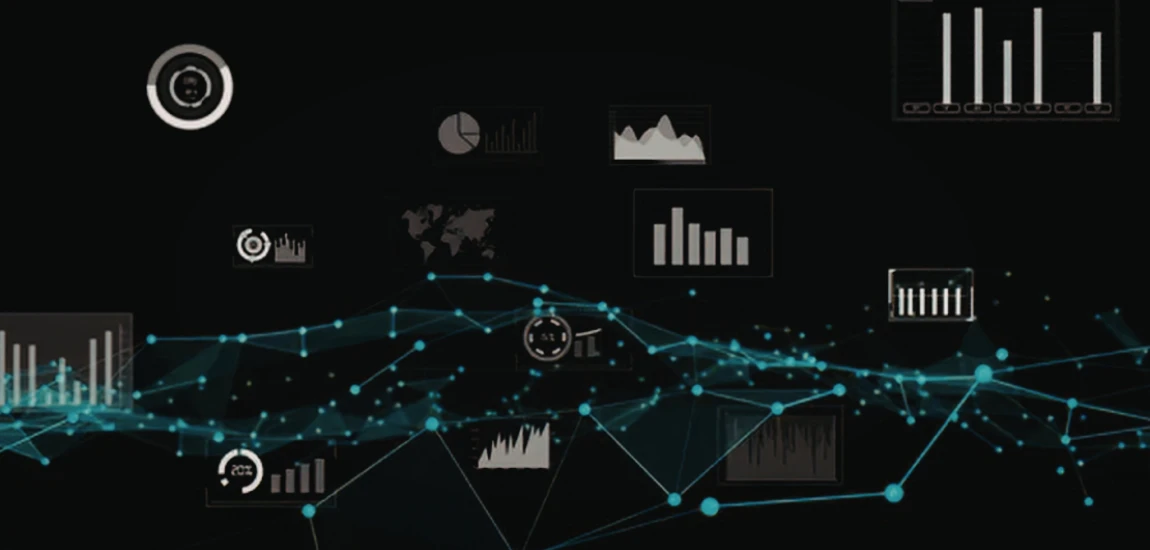
Autonomous data fabric systems and real-time intelligent information flow networks are transforming how organizations manage, process, and utilize data in today’s hyper-connected digital world. As data volumes continue to grow exponentially across industries, traditional data management systems struggle to keep up with speed, complexity, and scalability demands. Autonomous data fabrics solve this challenge by intelligently connecting data across multiple environments, automating integration processes, and enabling real-time data accessibility. These systems use artificial intelligence, machine learning, and automation to ensure that data flows seamlessly between applications, platforms, and users without manual intervention. This creates a dynamic and self-optimizing data ecosystem where information is continuously processed, analyzed, and delivered where it is needed most. From cloud computing and enterprise analytics to IoT ecosystems and smart cities, intelligent data flow networks are becoming the backbone of modern digital infrastructure, enabling faster decision-making and enhanced operational efficiency.
Understanding Autonomous Data Fabric Systems

What Are Autonomous Data Fabric Systems
Autonomous data fabric systems are advanced data management architectures designed to automate the integration, processing, and distribution of data across complex digital environments. These systems use artificial intelligence and machine learning to connect disparate data sources and create a unified, intelligent data layer.
Unlike traditional data systems that require manual configuration and maintenance, autonomous data fabrics continuously learn and adapt to changing data environments. They automatically detect data sources, map relationships, and optimize data flow in real time. This reduces complexity and improves efficiency in managing large-scale data ecosystems.
Role of Artificial Intelligence in Data Fabric Systems
Artificial intelligence is the core enabler of autonomous data fabric systems. AI algorithms analyze data patterns, automate data integration, and optimize workflows without human intervention. Machine learning models continuously improve system performance by learning from data usage patterns.
AI also enables predictive data management, allowing systems to anticipate data needs and proactively deliver insights. This ensures that organizations always have access to relevant and timely information for decision-making.
Evolution from Traditional Data Management to Autonomous Systems
Traditional data management systems rely heavily on manual processes, including data extraction, transformation, and loading. These methods are time-consuming and prone to errors.
The evolution to autonomous data fabrics represents a shift toward self-managing systems that automate these processes. This transformation is driven by advancements in AI, cloud computing, and distributed architectures, enabling more scalable and efficient data ecosystems.
Architecture of Intelligent Information Flow Networks

Distributed Data Processing Frameworks
Intelligent information flow networks are built on distributed processing frameworks that enable data to be processed across multiple nodes simultaneously. This architecture enhances scalability and reduces latency in data operations.
By distributing workloads, these systems ensure efficient utilization of computing resources. This is especially important in environments with high data volume and velocity, such as IoT networks and financial systems.
Real-Time Data Streaming and Integration
Real-time data streaming is a critical component of intelligent information flow networks. It allows data to be continuously ingested, processed, and analyzed as it is generated.
This enables organizations to respond instantly to changing conditions, such as market fluctuations or system anomalies. Real-time integration ensures that data is always current and actionable.
Automated Data Orchestration and Governance
Data orchestration involves managing the flow of data across systems, ensuring that it reaches the right destination at the right time. In autonomous data fabrics, this process is fully automated.
Governance mechanisms ensure data quality, security, and compliance. These systems enforce policies automatically, reducing the need for manual oversight and improving reliability.
Core Technologies Behind Data Fabric Systems

Machine Learning and Data Optimization
Machine learning plays a key role in optimizing data flow and improving system efficiency. ML algorithms analyze usage patterns and adjust data routing strategies dynamically.
This ensures optimal performance, reduced latency, and efficient resource utilization across the entire data ecosystem.
Cloud Computing and Scalable Infrastructure
Cloud computing provides the scalable infrastructure needed to support autonomous data fabric systems. It enables flexible storage, processing, and distribution of large datasets.
Cloud platforms also support hybrid and multi-cloud environments, allowing seamless integration of data from different sources and locations.
Metadata Management and Semantic Layering
Metadata management is essential for understanding and organizing data within fabric systems. It provides context about data sources, structure, and relationships.
Semantic layering enhances data interpretation by adding meaning and structure, enabling systems to understand how different data elements are connected.
Applications of Intelligent Data Flow Networks

Enterprise Data Management and Analytics
In enterprise environments, autonomous data fabrics streamline data management by integrating information from multiple departments and systems. This enables unified analytics and reporting.
Organizations can make faster and more informed decisions by accessing real-time insights from consolidated data sources.
IoT and Smart Infrastructure Systems
Intelligent data flow networks are widely used in IoT ecosystems, where billions of devices generate continuous streams of data. These systems enable real-time monitoring and control of connected devices.
Smart cities, transportation systems, and industrial automation rely on these networks for efficient operation and coordination.
Financial Services and Risk Management
In financial industries, autonomous data fabrics help manage transactions, detect fraud, and assess risk in real time. They enable faster processing of financial data and improved regulatory compliance.
By integrating multiple data sources, financial institutions can gain a comprehensive view of risk and performance metrics.


Derek Baron, also known as "Wandering Earl," offers an authentic look at long-term travel. His blog contains travel stories, tips, and the realities of a nomadic lifestyle.
Derek Baron

Prev Post
Next Post