
Asteroid Mining Technologies and the Future of Space Resource Extraction Ecosystems
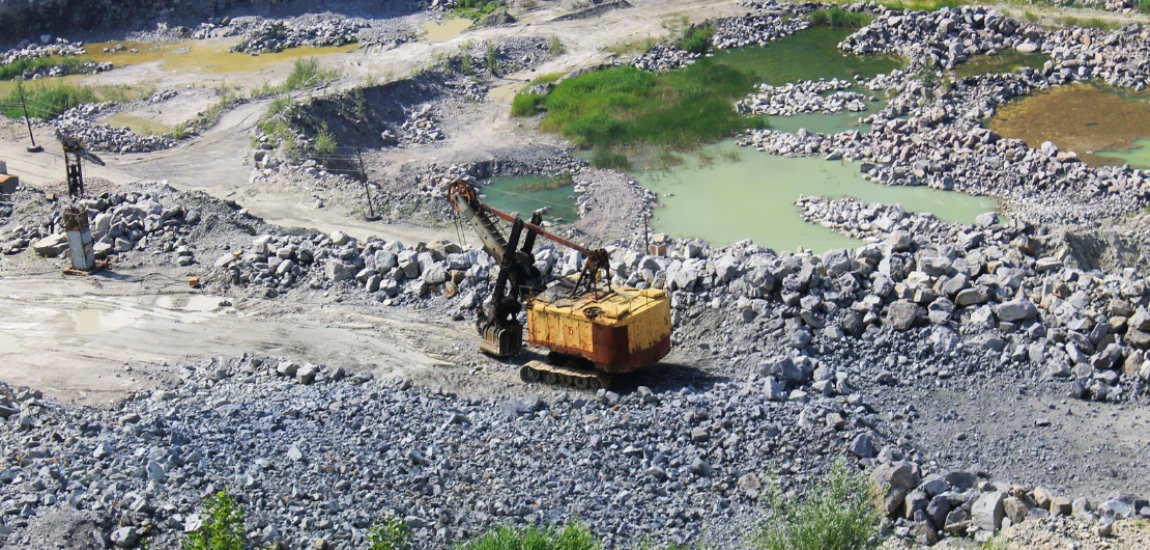
Humanity is entering a new era of space exploration where the focus is no longer limited to scientific discovery but extends toward resource utilization and economic expansion beyond Earth. One of the most transformative developments in this domain is Asteroid Mining Technologies, which aim to extract valuable materials such as platinum-group metals, iron, nickel, water ice, and rare elements from near-Earth asteroids. These resources have the potential to revolutionize industries on Earth while also enabling long-term space exploration and colonization.
Traditional mining on Earth is increasingly constrained by environmental degradation, resource depletion, and geopolitical limitations. In contrast, asteroids contain vast quantities of raw materials that could support both terrestrial industries and space-based infrastructure. The development of Space Resource Extraction Ecosystems integrates robotics, artificial intelligence, spacecraft engineering, and autonomous systems to enable efficient and scalable mining operations in space.
Asteroid mining is not just about extracting materials; it represents the foundation of a future space economy. These technologies could support fuel production in orbit, construction of space habitats, and manufacturing in microgravity environments. As space agencies and private companies invest heavily in these technologies, asteroid mining is transitioning from theoretical research to practical engineering development.
Foundations of Asteroid Mining Technologies

Understanding Space Resource Extraction Systems
Asteroid mining involves identifying, capturing, and processing materials from asteroids and other celestial bodies. These systems rely on advanced spacecraft equipped with robotic arms, drilling tools, spectrometers, and autonomous navigation systems. The primary goal is to extract valuable resources without requiring human presence in hazardous space environments.
Space resource extraction systems must operate in extreme conditions, including microgravity, radiation exposure, and vast distances from Earth. This requires highly reliable autonomous technologies capable of making real-time decisions without direct human intervention.
Types of Asteroids and Their Resource Potential
Asteroids are classified into different types based on their composition. C-type asteroids are rich in carbon and water, making them valuable for fuel and life-support systems. S-type asteroids contain silicate materials and metals such as nickel and iron. M-type asteroids are particularly valuable because they contain high concentrations of rare metals like platinum, gold, and iridium.
Understanding asteroid composition is essential for planning mining missions and selecting targets with the highest economic and scientific value.
Evolution of Space Mining Concepts
Early asteroid mining concepts were theoretical and focused on feasibility studies. However, advancements in space robotics, propulsion systems, and autonomous navigation have transformed these ideas into actionable engineering projects. Private companies and space agencies are now actively developing prototypes and mission plans for asteroid exploration and resource extraction.
Robotics and Autonomous Systems in Space Mining

Autonomous Space Mining Robots
Robotics plays a central role in asteroid mining technologies. Autonomous mining robots are designed to perform tasks such as drilling, excavation, material collection, and sample analysis in space environments. These robots must function independently due to communication delays between Earth and deep space missions.
They are equipped with AI systems that allow them to adapt to unknown terrain, avoid hazards, and optimize mining efficiency. Their ability to operate without human intervention is critical for long-duration space missions.
Swarm Robotics for Distributed Mining Operations
Swarm robotics involves multiple small robots working collaboratively to achieve complex tasks. In asteroid mining, swarm robots can distribute across an asteroid’s surface to increase efficiency and reduce operational risk.
These systems communicate with each other to coordinate extraction activities, share data, and optimize resource collection strategies. Swarm intelligence enhances scalability and resilience in mining operations.
Autonomous Navigation and Environmental Adaptation
Asteroids present unpredictable environments with irregular shapes and low gravity. Autonomous navigation systems use sensors, computer vision, and AI algorithms to map surfaces and guide robotic movement. These systems allow mining robots to adapt dynamically to environmental challenges.
Space Infrastructure for Resource Extraction Ecosystems

Orbital Processing and Refining Stations
Once materials are extracted from asteroids, they must be processed and refined. Orbital processing stations serve as space-based factories where raw materials are converted into usable products such as metals, fuel, or construction materials.
These stations reduce the need to transport heavy raw materials back to Earth and support in-space manufacturing capabilities.
Space Transport and Logistics Systems
Efficient transport systems are essential for moving materials between asteroids, orbital stations, and Earth. Advanced propulsion technologies, including ion drives and nuclear thermal propulsion, are being explored to support space logistics.
Reusable spacecraft and autonomous cargo systems will play a key role in building sustainable space resource networks.
Energy Systems for Deep Space Operations
Asteroid mining missions require reliable energy sources. Solar energy is the most common solution, but nuclear power systems are also being developed for long-duration missions in deep space. Energy efficiency is critical for sustaining autonomous mining operations far from Earth.
Artificial Intelligence and Data Systems in Asteroid Mining

AI-Based Resource Identification
Artificial intelligence is used to analyze asteroid data collected by telescopes and spacecraft. Machine learning algorithms identify mineral compositions, estimate resource quantities, and determine the most promising mining targets.
This reduces mission risk and improves the efficiency of exploration efforts.
Predictive Mission Planning Systems
AI systems simulate mission scenarios to optimize mining strategies. These predictive models evaluate factors such as trajectory, energy consumption, and resource yield. By analyzing multiple scenarios, AI helps design efficient and cost-effective missions.
Real-Time Data Processing in Space
Due to communication delays with Earth, space mining systems must process data locally. Onboard AI systems analyze sensor data in real time, enabling immediate decision-making during mining operations.


Derek Baron, also known as "Wandering Earl," offers an authentic look at long-term travel. His blog contains travel stories, tips, and the realities of a nomadic lifestyle.
Derek Baron

Prev Post

Next Post