
AI-Powered Digital Twin Ecosystems and Real-Time Predictive Simulation Architectures
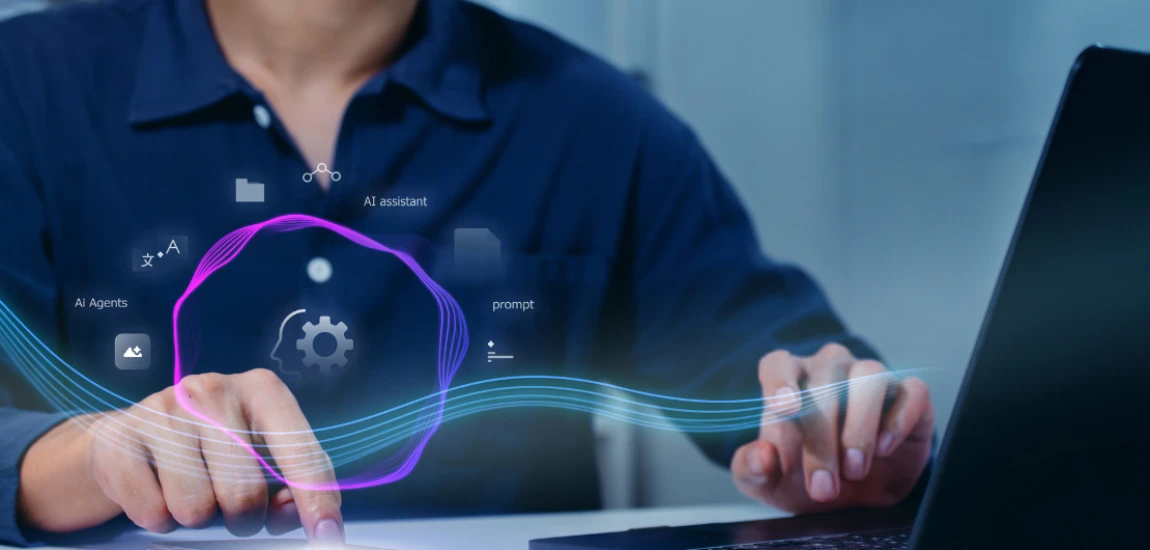
The convergence of artificial intelligence and advanced simulation technologies has given rise to a transformative concept known as digital twin ecosystems. These ecosystems go beyond simple virtual replicas by integrating real-time data, AI-driven analytics, and predictive simulation architectures to create dynamic, living models of physical systems.
AI-powered digital twin ecosystems are redefining how organizations monitor, analyze, and optimize their operations. Unlike traditional simulation models that rely on static data, these systems continuously evolve based on real-world inputs, enabling proactive decision-making and predictive insights.
From manufacturing and healthcare to smart cities and energy management, digital twins are becoming essential tools for innovation. By combining real-time predictive simulation with AI capabilities, organizations can anticipate future scenarios, reduce risks, and improve efficiency.
In this blog, we will explore the architecture, technologies, applications, benefits, and future trends of AI-powered digital twin ecosystems while providing actionable insights for implementation.
Understanding AI-Powered Digital Twin Ecosystems

What Are Digital Twin Ecosystems?
A digital twin ecosystem is a network of interconnected virtual models that represent physical assets, processes, or systems. Unlike standalone digital twins, ecosystems integrate multiple twins to provide a holistic view of operations.
These ecosystems leverage AI to analyze data from sensors, IoT devices, and enterprise systems. This integration enables real-time monitoring and decision-making, making digital twins more intelligent and responsive.
For example, in a manufacturing plant, digital twins can represent machines, production lines, and supply chains, all working together to optimize performance.
Role of Artificial Intelligence in Digital Twins
Artificial intelligence enhances digital twin ecosystems by enabling predictive analytics, anomaly detection, and autonomous optimization. AI algorithms process large volumes of data to identify patterns and generate insights.
This allows organizations to move from reactive to proactive strategies. Instead of responding to issues after they occur, AI-powered digital twins can predict and prevent problems before they happen.
Evolution from Static Models to Dynamic Systems
Traditional simulation models were static and required manual updates. In contrast, digital twin ecosystems are dynamic, continuously evolving based on real-time data.
This evolution has made digital twins more relevant and valuable in fast-changing environments. Organizations can now simulate different scenarios and evaluate outcomes instantly.
Real-Time Predictive Simulation Architectures Explained

Continuous Data Streaming and Integration
Real-time predictive simulation architectures rely on continuous data streams from sensors and connected devices. This data is processed and integrated into the digital twin, ensuring that the model reflects the current state of the system.
This real-time capability is critical for industries where conditions change rapidly, such as energy and transportation.
Simulation-Driven Decision Intelligence
Predictive simulation architectures enable organizations to test different scenarios and outcomes before implementing decisions. This approach reduces risks and improves decision-making.
For instance, in supply chain management, simulations can identify potential disruptions and suggest optimal solutions.
Adaptive Learning and Feedback Loops
Feedback loops are essential for continuous improvement. As new data is collected, the system updates its models and predictions, ensuring accuracy and relevance.
This adaptive learning process allows digital twins to evolve and improve over time, making them more effective in complex environments.
Core Technologies Powering Digital Twin Ecosystems

Internet of Things (IoT) and Sensor Networks
IoT devices and sensors are the foundation of digital twin ecosystems. They collect real-time data from physical systems, enabling accurate modeling and analysis.
This data provides insights into performance, usage, and environmental conditions, which are essential for predictive simulations.
Cloud Computing and Edge Processing
Cloud computing provides the infrastructure needed to store and process large volumes of data. It enables scalability and accessibility, allowing organizations to manage digital twins efficiently.
Edge computing complements the cloud by processing data closer to the source, reducing latency and enabling real-time decision-making.
Machine Learning and Advanced Analytics
Machine learning algorithms analyze data to identify patterns, trends, and anomalies. These insights drive predictive simulations and optimization strategies.
Advanced analytics tools further enhance the capabilities of digital twin ecosystems, enabling deeper insights and more accurate predictions.
Real-World Applications Across Industries

Manufacturing and Industrial Automation
In manufacturing, digital twin ecosystems optimize production processes, reduce downtime, and improve efficiency. By simulating different scenarios, organizations can identify the best strategies for operations.
Predictive maintenance is a key application, allowing companies to address issues before they lead to failures.
Healthcare and Personalized Treatment
Digital twins are transforming healthcare by enabling personalized treatment plans. By modeling patient data, doctors can predict outcomes and optimize treatments.
This leads to better patient care and improved health outcomes.
Smart Cities and Infrastructure Management
Smart cities use digital twin ecosystems to manage infrastructure, optimize energy usage, and improve public services. Real-time simulations help city planners make informed decisions.
This results in more sustainable and efficient urban environments.


Anil Polat, behind the blog "FoxNomad," combines technology and travel. A computer security engineer by profession, he focuses on the tech aspects of travel.
Anil Polat
Prev Post
Next Post