
AI-Powered Cybersecurity Systems and Self-Healing Threat Detection Networks
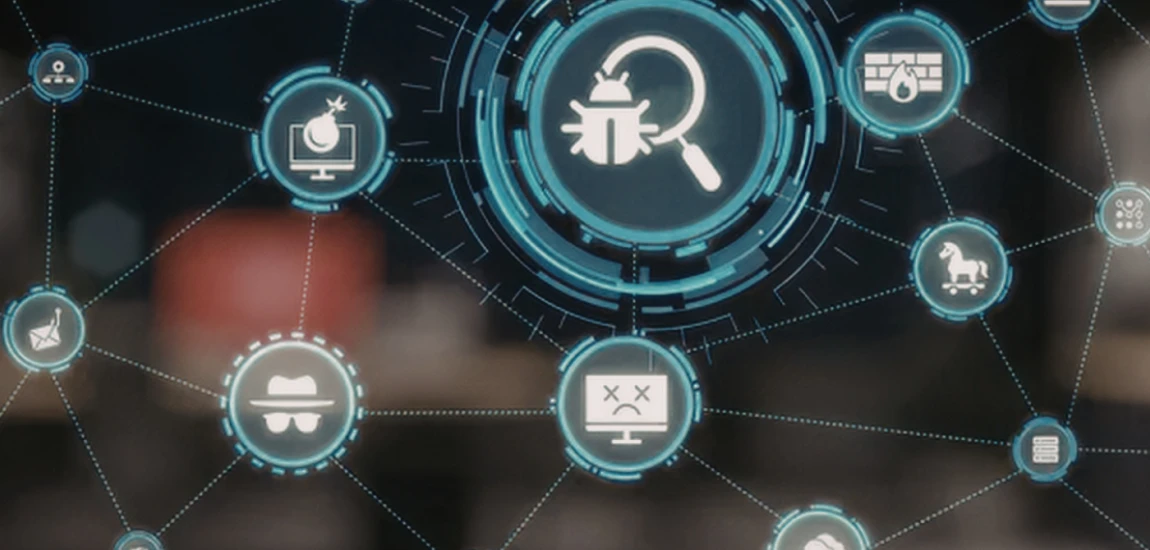
As cyber threats grow more sophisticated and frequent, traditional security systems are struggling to keep up. Organizations today face advanced persistent threats, ransomware attacks, and zero-day vulnerabilities that evolve faster than manual defenses can respond. This has created an urgent need for intelligent, automated, and adaptive cybersecurity solutions.
AI-powered cybersecurity systems are transforming digital security by leveraging machine learning, behavioral analytics, and real-time monitoring to detect and respond to threats instantly. These systems go beyond static rules and signatures, enabling proactive threat detection and continuous adaptation.
Self-healing threat detection networks represent the next evolution in cybersecurity. These networks not only identify threats but also respond autonomously, isolating affected systems, repairing vulnerabilities, and restoring normal operations without human intervention.
From enterprise networks to cloud infrastructure and IoT ecosystems, AI-driven cybersecurity is becoming essential for protecting digital assets. In this blog, we will explore how these systems work, their benefits, applications, challenges, and future trends, along with actionable insights for organizations aiming to strengthen their security posture.
Understanding AI-Powered Cybersecurity Systems

What Defines AI-Powered Cybersecurity
AI-powered cybersecurity systems use artificial intelligence technologies to monitor, detect, and respond to cyber threats. Unlike traditional security solutions that rely on predefined rules, these systems analyze patterns, behaviors, and anomalies in real time.
They can identify unusual activities, such as unauthorized access attempts or abnormal data transfers, and flag them as potential threats. This capability allows organizations to detect attacks earlier and respond more effectively.
AI-driven systems also learn continuously from new data, improving their accuracy and adaptability over time. This makes them highly effective against evolving threats.
Core Technologies Behind AI Security
Several technologies power AI-based cybersecurity systems, including machine learning, deep learning, and natural language processing. Machine learning algorithms analyze historical and real-time data to identify patterns and predict potential threats.
Behavioral analytics is another key component, enabling systems to understand normal user behavior and detect deviations. This helps in identifying insider threats and compromised accounts.
Additionally, automation tools enable rapid response to threats, reducing the time between detection and mitigation.
Difference from Traditional Security Systems
Traditional cybersecurity solutions rely heavily on signature-based detection, which can only identify known threats. This makes them ineffective against new or unknown attacks.
AI-powered systems, on the other hand, use anomaly detection and predictive analytics to identify threats that have never been seen before. This proactive approach significantly enhances security.
Architecture of Self-Healing Threat Detection Networks

Real-Time Monitoring and Detection Layers
Self-healing networks are built on real-time monitoring systems that continuously analyze network activity. These systems collect data from various sources, including endpoints, servers, and cloud environments.
Advanced analytics engines process this data to detect anomalies and identify potential threats. This real-time visibility is critical for early detection and rapid response.
Automated Response and Recovery Mechanisms
Once a threat is detected, self-healing networks automatically initiate response actions. These may include isolating affected systems, blocking malicious traffic, and applying security patches.
Automation ensures that threats are addressed immediately, minimizing damage and reducing downtime. This is especially important in large-scale networks where manual intervention is not feasible.
Feedback Loops and Continuous Improvement
Feedback loops enable self-healing networks to learn from past incidents and improve their performance. By analyzing the effectiveness of response actions, these systems can refine their strategies and enhance their capabilities.
This continuous improvement ensures that the network becomes more resilient over time.
Benefits of AI-Driven Cybersecurity Systems

Proactive Threat Detection
AI-powered systems can identify threats before they cause significant damage. By analyzing patterns and predicting potential attacks, these systems enable proactive defense.
This reduces the risk of data breaches and minimizes the impact of cyber incidents.
Reduced Response Time and Automation
Automation significantly reduces the time required to respond to threats. AI systems can detect and mitigate attacks in seconds, compared to minutes or hours with manual processes.
This rapid response is crucial for preventing the spread of attacks.
Enhanced Scalability and Efficiency
AI-driven cybersecurity systems can handle large volumes of data and scale easily to accommodate growing networks. This makes them suitable for organizations of all sizes.
They also improve efficiency by automating routine tasks, allowing security teams to focus on strategic initiatives.
Applications Across Industries

Enterprise Security and IT Infrastructure
Organizations use AI-powered systems to protect their networks, servers, and endpoints from cyber threats. These systems provide comprehensive security coverage and real-time monitoring.
Cloud Security and Data Protection
With the rise of cloud computing, securing cloud environments has become critical. AI-driven solutions help detect and prevent unauthorized access, data breaches, and other threats.
IoT and Smart Device Security
IoT devices are often vulnerable to attacks due to limited security features. AI-powered systems monitor these devices and detect anomalies, ensuring their सुरक्षा.


Known as "Nomadic Matt," Matthew Kepnes offers practical travel advice with a focus on budget backpacking. His blog aims to help people travel cheaper and longer.
Matthew Kepnes

Prev Post

Next Post