
AI-Orchestrated Industrial Automation and Smart Manufacturing Intelligence Systems
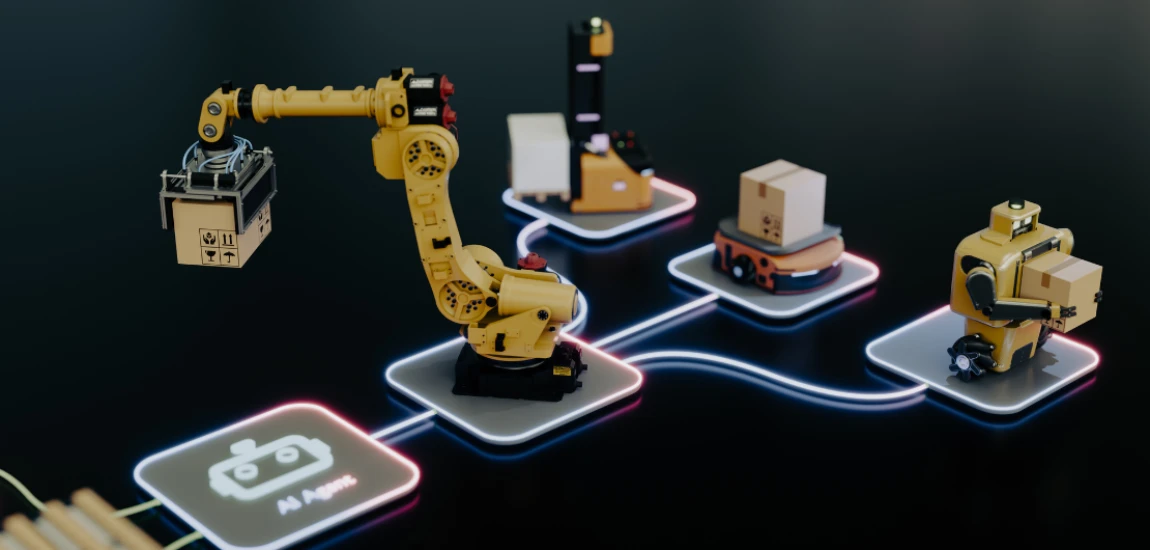
The manufacturing industry is undergoing a profound transformation driven by artificial intelligence and advanced automation technologies. Traditional factories, once reliant on manual processes and isolated systems, are evolving into intelligent ecosystems powered by AI-orchestrated industrial automation. These systems integrate machines, data, and decision-making processes into a unified framework that operates efficiently and autonomously.
Smart manufacturing intelligence systems leverage AI, machine learning, and real-time data analytics to optimize production, reduce downtime, and enhance product quality. Unlike conventional automation, which follows predefined rules, AI-orchestrated systems adapt dynamically to changing conditions, enabling continuous improvement and innovation.
From predictive maintenance and supply chain optimization to robotics and digital twins, AI is redefining how industries operate. This shift not only improves efficiency but also enhances sustainability and competitiveness in a global market.
In this blog, we will explore the foundations, technologies, applications, benefits, and future trends of AI-orchestrated industrial automation while providing actionable insights for businesses aiming to adopt these advanced systems.
Understanding AI-Orchestrated Industrial Automation

What Is AI-Orchestrated Automation?
AI-orchestrated industrial automation refers to the integration of artificial intelligence into manufacturing processes to coordinate and optimize operations across multiple systems. Unlike traditional automation, which operates in silos, AI orchestration connects machines, software, and workflows into a cohesive ecosystem.
This orchestration enables real-time decision-making, allowing systems to respond dynamically to changes in production demands, equipment performance, and environmental conditions. For example, an AI system can adjust production schedules based on machine availability or supply chain disruptions.
From Traditional Automation to Intelligent Systems
Traditional automation systems rely on fixed programming and limited adaptability. While effective for repetitive tasks, they lack the flexibility needed for modern manufacturing environments.
AI-driven systems, on the other hand, continuously learn from data and improve their performance over time. This transition from static to intelligent automation is a key driver of Industry 4.0, enabling more efficient and resilient manufacturing processes.
Real-Time Coordination and Decision-Making
One of the defining features of AI-orchestrated automation is its ability to coordinate multiple processes in real time. By analyzing data from sensors, machines, and enterprise systems, AI can make informed decisions that optimize production.
This capability reduces delays, minimizes errors, and ensures that resources are used efficiently. As a result, manufacturers can achieve higher productivity and better outcomes.
Smart Manufacturing Intelligence Systems Explained

Integration of Data, Machines, and AI
Smart manufacturing intelligence systems integrate data from various sources, including IoT devices, production equipment, and enterprise software. This data is analyzed using AI algorithms to generate actionable insights.
The integration of data and AI enables manufacturers to monitor operations in real time, identify inefficiencies, and implement improvements quickly.
Digital Twins and Virtual Simulation
Digital twins play a crucial role in smart manufacturing. These virtual replicas of physical systems allow manufacturers to simulate different scenarios and predict outcomes.
By using digital twins, organizations can test changes before implementing them, reducing risks and improving decision-making.
Continuous Optimization and Learning
Smart manufacturing systems are designed to continuously optimize processes. AI algorithms analyze performance data and identify opportunities for improvement.
This ongoing learning process ensures that systems remain efficient and adaptable, even as conditions change.
Core Technologies Powering Industrial AI Systems

Internet of Things (IoT) and Sensor Networks
IoT devices and sensors collect real-time data from machines and production environments. This data provides valuable insights into performance, usage, and conditions.
Sensor networks enable continuous monitoring, which is essential for predictive maintenance and optimization.
Machine Learning and Advanced Analytics
Machine learning algorithms analyze data to identify patterns and trends. These insights help manufacturers make informed decisions and improve processes.
Advanced analytics tools further enhance capabilities by providing deeper insights and predictive capabilities.
Robotics and Autonomous Systems
Robotics is a key component of industrial automation. AI-powered robots can perform complex tasks with precision and efficiency.
Autonomous systems enable flexible and adaptive manufacturing processes, reducing the need for human intervention.
Real-World Applications Across Industries

Automotive and Assembly Lines
In the automotive industry, AI-orchestrated automation is used to optimize assembly lines, improve quality control, and reduce production time.
Robotic systems and AI algorithms work together to ensure efficient and accurate manufacturing processes.
Electronics and High-Precision Manufacturing
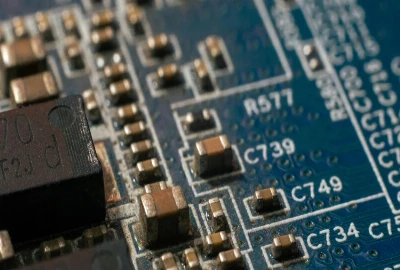
Electronics manufacturing requires high precision and quality. AI-driven systems enable manufacturers to achieve these standards by monitoring and optimizing processes in real time.
This leads to improved product quality and reduced waste.
Supply Chain and Logistics Optimization
AI is also transforming supply chain management by optimizing logistics, inventory, and distribution. Real-time data analysis enables better decision-making and improved efficiency.
This ensures that products are delivered on time and at lower costs.


Derek Baron, also known as "Wandering Earl," offers an authentic look at long-term travel. His blog contains travel stories, tips, and the realities of a nomadic lifestyle.
Derek Baron
Prev Post

Next Post