
AI-Driven Molecular Manufacturing Systems and Atomic-Level Smart Production Architectures
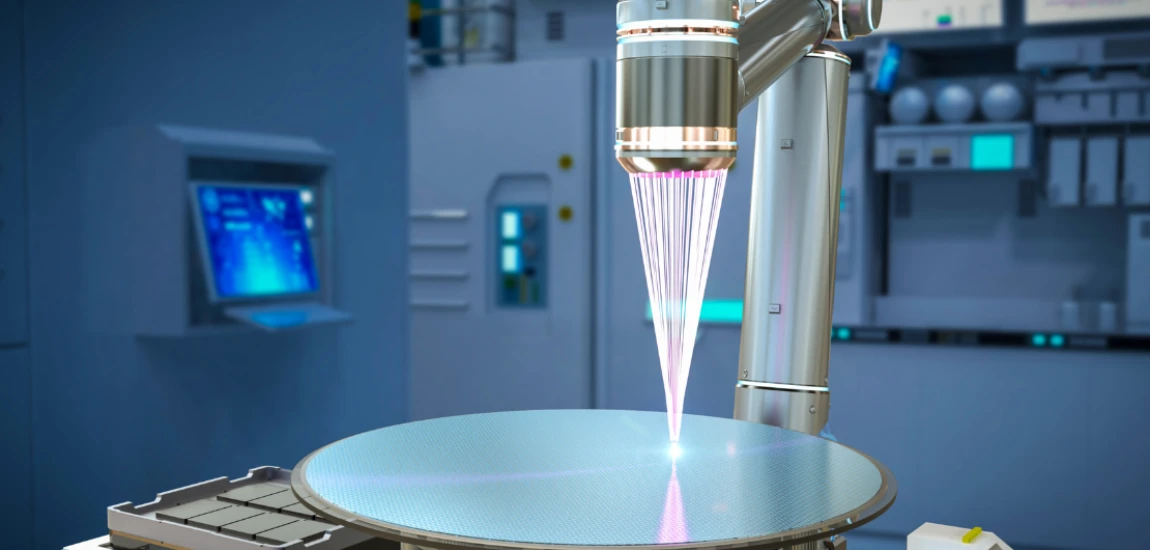
The future of manufacturing is moving far beyond traditional factories and assembly lines. Emerging technologies in artificial intelligence, nanotechnology, molecular engineering, and atomic-scale automation are paving the way for a new industrial revolution known as molecular manufacturing. AI-driven molecular manufacturing systems represent highly advanced production frameworks capable of constructing materials and products atom by atom with extraordinary precision and efficiency.
Unlike conventional manufacturing processes that cut, shape, or assemble bulk materials, molecular manufacturing focuses on manipulating molecules and atomic structures directly. These intelligent systems use AI-powered automation, nanoscale robotics, predictive algorithms, and smart production architectures to create materials with customized properties and near-perfect accuracy.
Atomic-level smart production architectures could transform industries including healthcare, aerospace, electronics, energy, biotechnology, and construction. By enabling precise molecular assembly, these systems may reduce waste, increase production speed, improve product durability, and unlock entirely new categories of materials and devices.
As global industries seek more sustainable and efficient manufacturing methods, AI-driven molecular manufacturing systems are becoming one of the most promising technological frontiers of the future economy.
Understanding AI-Driven Molecular Manufacturing Systems

AI-driven molecular manufacturing systems are intelligent production frameworks designed to manipulate matter at the molecular and atomic scale using advanced automation technologies.
Molecular Assembly and Atomic Precision
Traditional manufacturing methods rely on mechanical processes that often create waste and material inefficiencies. Molecular manufacturing introduces a fundamentally different approach by assembling products atom by atom or molecule by molecule.
Advanced nanoscale fabrication systems can precisely position molecular components to build highly organized structures with minimal defects. AI algorithms continuously monitor atomic interactions and optimize assembly accuracy during production.
This atomic-level precision allows manufacturers to create stronger, lighter, and more efficient materials that would be impossible to produce using conventional industrial methods.
Role of Artificial Intelligence in Smart Manufacturing
Artificial intelligence serves as the operational intelligence layer within molecular manufacturing systems. AI-driven software analyzes molecular behavior, predicts chemical reactions, and coordinates nanoscale production processes in real time.
Machine learning systems continuously improve production accuracy by studying manufacturing outcomes and adapting assembly strategies automatically. AI can also optimize energy consumption, minimize errors, and increase production speed across highly complex molecular environments.
As AI capabilities advance, manufacturing systems may become increasingly autonomous and capable of managing entire industrial ecosystems independently.
Integration with Nanotechnology and Robotics
Nanotechnology is a critical component of atomic-level manufacturing architectures. Nanorobots and molecular-scale fabrication devices perform delicate production tasks that require extreme precision.
These microscopic systems may transport molecules, construct nanoscale components, repair structural defects, and monitor production quality continuously. AI-powered coordination enables millions of nanodevices to work together efficiently within large-scale manufacturing environments.
The combination of AI and nanotechnology creates highly adaptive smart factories capable of producing advanced materials with exceptional consistency and reliability.
Core Technologies Behind Atomic-Level Smart Production

The development of molecular manufacturing systems depends on several advanced technologies working together within intelligent production architectures.
Nanoscale Robotics and Autonomous Assembly
Nanoscale robotics enables precise molecular manipulation during manufacturing operations. These microscopic robotic systems are designed to interact directly with atoms and molecular structures.
AI-powered nanorobots may operate in synchronized swarms to assemble materials, repair defects, and optimize structural alignment at the atomic level. Autonomous assembly systems continuously adapt to changing production conditions through machine learning algorithms.
This technology could significantly improve manufacturing efficiency while enabling highly complex product designs.
Quantum Computing and Molecular Simulation
Quantum computing may play an essential role in future molecular manufacturing systems. Simulating molecular interactions requires enormous computational power due to the complexity of atomic behavior.
Quantum processors can analyze chemical reactions, material properties, and nanoscale assembly processes far more efficiently than traditional computers. AI-driven molecular simulations help engineers design optimized materials before physical production begins.
This capability reduces research costs, accelerates innovation, and improves manufacturing accuracy across multiple industries.
Smart Sensors and Real-Time Monitoring
Atomic-level manufacturing requires continuous monitoring to maintain precision and stability. Smart nanosensors embedded within production systems can detect microscopic defects, chemical imbalances, and structural inconsistencies in real time.
AI analytics platforms instantly process sensor data and make automatic adjustments to production operations. Real-time monitoring improves quality control while reducing material waste and operational downtime.
These intelligent feedback systems are essential for maintaining reliable large-scale molecular manufacturing environments.
Applications of AI-Driven Molecular Manufacturing Systems

Molecular manufacturing technologies could revolutionize numerous industries through highly advanced production capabilities.
Healthcare and Medical Nanotechnology
One of the most promising applications lies in healthcare and biotechnology. AI-driven molecular manufacturing may enable the production of advanced medical devices, targeted drug delivery systems, and artificial tissues with atomic precision.
Nanotechnology-based manufacturing could create personalized medicines tailored to individual genetic profiles. Molecular assembly systems may also produce highly biocompatible implants and regenerative medical materials.
Future healthcare industries may rely heavily on atomic-scale production technologies to improve treatment accuracy and patient outcomes.
Aerospace and Advanced Materials Engineering
The aerospace industry demands lightweight, durable, and heat-resistant materials capable of performing under extreme conditions. Molecular manufacturing systems could create ultra-strong composites and nanoscale structural materials optimized for spacecraft and aircraft.
AI-powered material engineering platforms may design atomic structures that maximize strength while minimizing weight. These advanced materials could improve fuel efficiency, structural safety, and mission performance.
Space exploration programs may particularly benefit from self-repairing nanoscale materials manufactured through molecular assembly techniques.
Electronics and Semiconductor Production
Modern electronic devices require increasingly smaller and more powerful components. AI-driven molecular manufacturing could revolutionize semiconductor fabrication by enabling atomic-level circuit construction.
This precision may lead to faster processors, smaller devices, improved energy efficiency, and highly advanced computing systems. Molecular-scale production could also support the development of flexible electronics and quantum computing hardware.
Future electronics industries may depend heavily on nanoscale manufacturing architectures to maintain technological progress.
Benefits of Atomic-Level Smart Production Architectures

AI-powered molecular manufacturing systems offer several major advantages compared to traditional industrial production methods.
Extreme Precision and Product Quality
Atomic-level manufacturing dramatically improves production accuracy and product consistency. By controlling molecular structures directly, manufacturers can reduce defects and achieve highly reliable performance standards.
AI-driven quality control systems continuously optimize assembly operations, ensuring exceptional precision throughout production processes.
This level of accuracy may become especially important for industries requiring highly specialized materials and components.
Reduced Waste and Environmental Impact
Traditional manufacturing often generates significant material waste and environmental pollution. Molecular manufacturing systems use raw materials more efficiently by assembling products with minimal excess.
AI optimization algorithms further reduce energy consumption and resource waste by improving process efficiency continuously.
Sustainable molecular production methods may help industries reduce environmental impact while supporting circular economy initiatives.
Faster Innovation and Customization
AI-powered production architectures allow rapid design testing and material customization. Manufacturers can quickly modify molecular structures to create products with specific performance characteristics.
This flexibility accelerates research and development while enabling highly personalized manufacturing solutions for consumers and industries.
Future smart factories may produce customized products on demand with unprecedented speed and efficiency.


Anil Polat, behind the blog "FoxNomad," combines technology and travel. A computer security engineer by profession, he focuses on the tech aspects of travel.
Anil Polat

Prev Post
Next Post