
AI-Driven Digital Twin Societies and Real-Time Global Simulation Frameworks
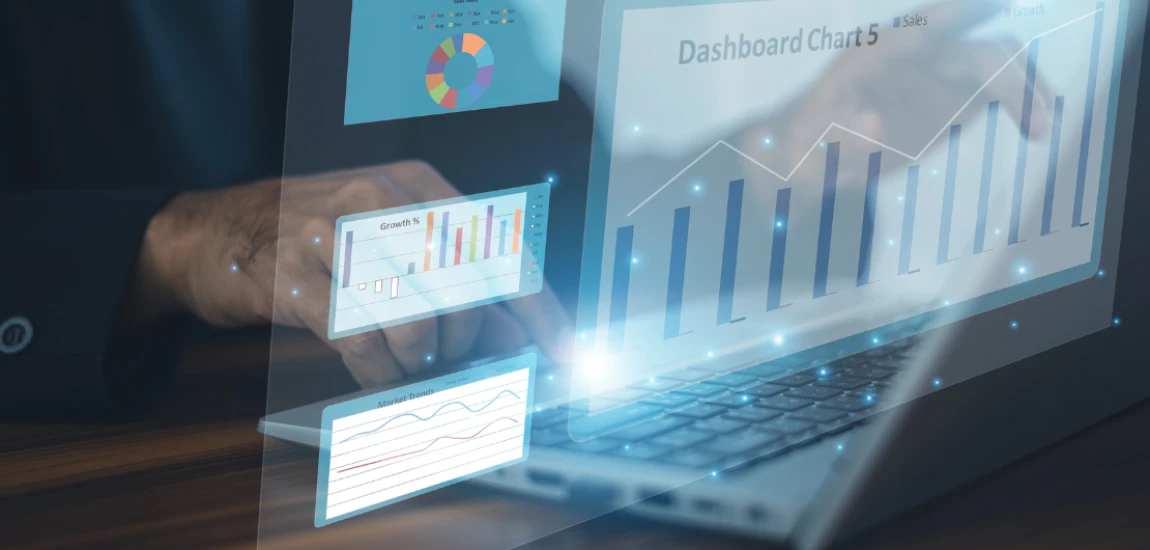
AI-driven digital twin societies and real-time global simulation frameworks are rapidly emerging as one of the most transformative innovations in artificial intelligence and data science. These systems create virtual replicas of real-world environments—ranging from cities and industries to entire populations—and continuously update them using real-time data. By combining AI, IoT, big data, and advanced analytics, digital twin societies enable governments, businesses, and researchers to simulate scenarios, predict outcomes, and make data-driven decisions with unprecedented accuracy. Whether it’s optimizing urban infrastructure, forecasting economic trends, or managing global crises, these intelligent simulation frameworks are reshaping how we understand and interact with the world. As digital transformation accelerates, the integration of AI-driven digital twins is becoming essential for building smarter, more resilient, and future-ready systems.
Understanding AI-Driven Digital Twin Societies

What Are Digital Twin Societies
Digital twin societies refer to large-scale virtual representations of real-world systems, including cities, populations, and infrastructures. Unlike traditional simulations, these digital twins are continuously updated with real-time data, allowing them to mirror the current state of the physical world accurately. By integrating AI algorithms, these systems can analyze patterns, predict outcomes, and provide actionable insights for decision-makers.
These societies go beyond simple modeling by incorporating human behavior, environmental changes, and economic dynamics into a unified framework. This holistic approach enables stakeholders to explore complex interactions and understand how different variables influence outcomes. As a result, digital twin societies are becoming essential tools for governments, urban planners, and organizations seeking to improve efficiency and sustainability.
Role of Artificial Intelligence in Digital Twins
Artificial intelligence is the driving force behind digital twin societies. AI enables these systems to process massive datasets, identify trends, and generate predictive models. Machine learning algorithms continuously refine the accuracy of simulations by learning from new data inputs, ensuring that the digital twin evolves alongside the real world.
AI also enhances decision-making by providing scenario analysis and optimization recommendations. For example, it can simulate the impact of policy changes, infrastructure investments, or environmental factors, helping stakeholders make informed choices. This capability transforms digital twins from passive models into active decision-support systems.
Evolution from Static Models to Dynamic Societies
The concept of digital twins has evolved significantly over time. Early models were static and limited in scope, often used for specific applications such as product design or engineering simulations. However, advancements in AI, IoT, and cloud computing have enabled the creation of dynamic, large-scale digital twin societies.
Modern systems are capable of integrating data from multiple sources, including sensors, social media, and economic indicators. This allows for a more comprehensive and accurate representation of reality. As technology continues to advance, digital twin societies are expected to become even more sophisticated, enabling real-time global simulations and predictive analytics on an unprecedented scale.
Architecture of Real-Time Global Simulation Frameworks

Data Integration and Infrastructure
Real-time global simulation frameworks rely on robust data integration systems to collect and process information from diverse sources. These include IoT devices, satellite imagery, social platforms, and enterprise systems. The integration of these data streams creates a unified dataset that serves as the foundation for digital twin societies.
Advanced cloud and edge computing infrastructures are essential for handling the massive volumes of data generated in real time. These technologies enable efficient data processing and storage, ensuring that simulations remain accurate and up to date. The ability to integrate and manage data effectively is a critical factor in the success of these frameworks.
Simulation Engines and Modeling Techniques
At the core of global simulation frameworks are advanced simulation engines that use mathematical models and AI algorithms to replicate real-world systems. These engines can simulate a wide range of scenarios, from urban development and traffic flow to economic trends and climate change.
Modeling techniques such as agent-based modeling and system dynamics are commonly used to capture the complexity of real-world interactions. These approaches allow for detailed analysis of how individual components influence the overall system, providing valuable insights into potential outcomes.
Real-Time Processing and Feedback Loops
Real-time processing is a defining feature of modern simulation frameworks. By continuously updating data inputs, these systems can provide accurate and timely insights. Feedback loops play a crucial role in maintaining system accuracy, as they allow the digital twin to adjust its models based on new information.
This dynamic approach enables continuous improvement and adaptation, ensuring that the simulation remains relevant and reliable. It also allows stakeholders to respond quickly to changing conditions, making these frameworks highly valuable for decision-making in fast-paced environments.
Key Technologies Enabling Digital Twin Ecosystems

Internet of Things and Data Collection
The Internet of Things (IoT) is a fundamental component of digital twin ecosystems, providing the data needed to create and maintain accurate simulations. Sensors and connected devices collect real-time information on various parameters, such as temperature, traffic, energy usage, and human activity.
This data is transmitted to central systems, where it is processed and integrated into the digital twin. The widespread adoption of IoT devices has significantly enhanced the accuracy and scalability of digital twin societies, enabling more detailed and comprehensive simulations.
Big Data and Advanced Analytics
Big data technologies play a crucial role in managing and analyzing the vast amounts of information generated by digital twin systems. Advanced analytics tools enable the extraction of meaningful insights from complex datasets, supporting predictive modeling and decision-making.
These technologies allow stakeholders to identify trends, detect anomalies, and optimize system performance. By leveraging big data, digital twin societies can provide deeper insights and more accurate predictions, enhancing their value across various applications.
Cloud Computing and Scalability
Cloud computing provides the infrastructure needed to support large-scale digital twin ecosystems. It offers scalable resources for data storage, processing, and analysis, enabling the efficient operation of real-time simulation frameworks.
The flexibility of cloud platforms allows organizations to expand their digital twin systems as needed, accommodating growing data volumes and increasing complexity. This scalability is essential for the continued development and adoption of AI-driven digital twin societies.
Applications Across Industries and Society

Smart Cities and Urban Planning
Digital twin societies are transforming urban planning by providing detailed simulations of city infrastructure and operations. Planners can use these systems to test different scenarios, optimize resource allocation, and improve the overall efficiency of urban environments.
For example, digital twins can simulate traffic patterns, energy consumption, and population growth, helping cities make data-driven decisions. This leads to more sustainable and livable urban environments, benefiting both residents and policymakers.
Healthcare and Public Health Management
In healthcare, digital twin systems are used to model patient populations and predict disease outbreaks. By analyzing real-time data, these systems can identify trends and provide early warnings, enabling proactive interventions.
Digital twins also support personalized medicine by simulating individual patient conditions and treatment responses. This enhances the effectiveness of healthcare services and improves patient outcomes.
Environmental Monitoring and Climate Modeling
Digital twin societies play a critical role in environmental monitoring and climate modeling. They can simulate the impact of environmental changes, such as pollution, deforestation, and climate change, providing valuable insights for policymakers.
These systems enable the development of strategies to mitigate environmental risks and promote sustainability. By providing accurate and timely data, digital twins support informed decision-making and help address global challenges.
Benefits and Challenges of Digital Twin Societies

Advantages of Real-Time Simulation
One of the main benefits of digital twin societies is their ability to provide real-time insights and predictions. This enables faster and more informed decision-making, improving efficiency and reducing risks.
These systems also enhance collaboration by providing a shared platform for stakeholders to analyze data and explore scenarios. This leads to better coordination and more effective problem-solving.
Additionally, digital twin societies support innovation by enabling experimentation and testing in a virtual environment. This reduces costs and accelerates the development of new solutions.
Ethical and Privacy Concerns
Despite their advantages, digital twin societies raise important ethical and privacy concerns. The collection and use of large amounts of data can pose risks to individual privacy and data security.
Ensuring transparency and accountability is essential for maintaining trust in these systems. Organizations must implement robust data protection measures and adhere to ethical guidelines to address these concerns.
Technical and Implementation Challenges
Developing and maintaining digital twin societies can be complex and resource-intensive. It requires advanced infrastructure, expertise, and continuous data integration.
Ensuring interoperability between different systems and technologies is another significant challenge. Addressing these issues is crucial for the successful implementation and scalability of digital twin ecosystems.


Derek Baron, also known as "Wandering Earl," offers an authentic look at long-term travel. His blog contains travel stories, tips, and the realities of a nomadic lifestyle.
Derek Baron

Prev Post

Next Post