
AI-Driven Climate Restoration Platforms and Planetary Environmental Recovery Systems
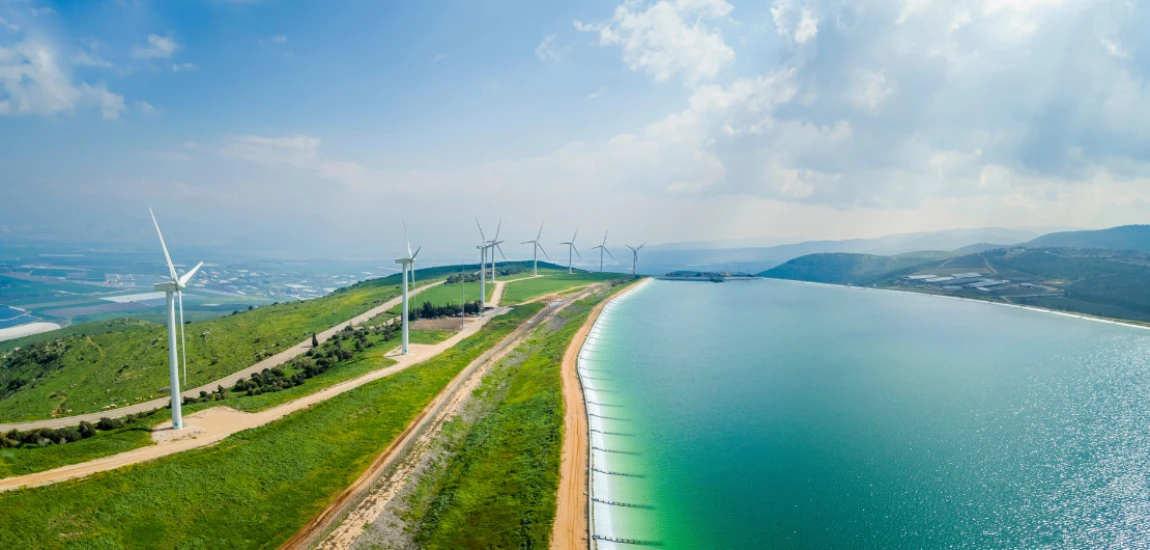
Climate change has emerged as one of the most pressing challenges facing humanity. Rising global temperatures, extreme weather events, biodiversity loss, deforestation, ocean degradation, and increasing carbon emissions are placing unprecedented pressure on Earth's ecosystems. Traditional environmental management approaches, while valuable, often struggle to process the enormous volumes of data required to understand and respond to rapidly changing environmental conditions.
This challenge has led to the development of AI-driven climate restoration platforms and planetary environmental recovery systems. These advanced technologies combine artificial intelligence, machine learning, satellite monitoring, environmental sensors, predictive analytics, and automation to create intelligent solutions capable of restoring ecological balance at local, regional, and global scales.
By analyzing complex environmental data in real time, AI can identify emerging threats, optimize restoration projects, forecast climate impacts, and improve resource management strategies. From reforestation initiatives and carbon capture programs to ocean conservation and biodiversity protection, AI-powered environmental recovery systems are becoming critical tools in the fight against climate change.
As governments, researchers, and sustainability organizations seek innovative solutions to environmental challenges, AI-driven climate restoration platforms are positioning themselves as key technologies for building a more sustainable and resilient future.
Understanding AI-Driven Climate Restoration Platforms

The Evolution of Environmental Intelligence
Environmental protection has traditionally relied on manual data collection, field research, and historical trend analysis. While these methods remain important, they often lack the speed and scalability needed to address modern climate challenges.
AI-driven climate restoration platforms transform environmental management by continuously gathering information from satellites, drones, IoT sensors, weather stations, and ecological monitoring systems. These platforms process vast datasets to identify patterns and generate actionable insights.
The integration of artificial intelligence enables faster decision-making and more effective responses to environmental threats, making restoration efforts more targeted and efficient.
How AI Analyzes Environmental Data
Artificial intelligence excels at identifying relationships within large datasets that would be difficult for humans to detect. Climate restoration platforms use machine learning algorithms to analyze variables such as temperature changes, carbon emissions, vegetation health, rainfall patterns, soil quality, and ocean conditions.
These systems continuously improve as they process additional information. By learning from historical and real-time environmental data, AI models can generate increasingly accurate forecasts and recommendations.
This capability helps environmental organizations allocate resources more effectively and maximize restoration outcomes.
Creating Scalable Recovery Solutions
One of the greatest advantages of AI-driven platforms is their scalability. Environmental recovery initiatives can be expanded across vast geographic regions without significantly increasing operational complexity.
AI systems coordinate monitoring activities, evaluate restoration progress, and identify priority areas requiring intervention. This scalable approach supports large-scale sustainability projects that would otherwise be difficult to manage manually.
As environmental challenges continue to grow, scalable recovery systems will become increasingly essential.
AI-Powered Ecosystem Monitoring and Restoration

Intelligent Forest Restoration Programs
Forests play a critical role in regulating Earth's climate by absorbing carbon dioxide and supporting biodiversity. However, deforestation continues to threaten ecosystems worldwide.
AI-driven restoration platforms use satellite imagery and drone surveillance to monitor forest health, detect illegal logging activities, and identify areas suitable for reforestation. Machine learning models can recommend optimal tree species based on local environmental conditions.
These intelligent systems improve the effectiveness of reforestation efforts while maximizing long-term ecological benefits.
Biodiversity Protection Through Predictive Analytics
Protecting biodiversity requires understanding how species interact with changing environments. AI enables researchers to monitor wildlife populations, migration patterns, and habitat conditions with unprecedented accuracy.
Predictive analytics help conservation organizations anticipate ecological disruptions before they occur. This proactive approach supports endangered species protection and habitat preservation initiatives.
AI-powered biodiversity management strengthens ecosystem resilience and promotes long-term environmental stability.
Wetland and Grassland Recovery Initiatives
Wetlands and grasslands serve as critical carbon sinks and support diverse ecosystems. AI technologies assist restoration efforts by identifying degraded areas, tracking vegetation growth, and monitoring hydrological conditions.
Real-time environmental data enables restoration teams to make informed decisions regarding water management, species selection, and habitat rehabilitation.
These technologies enhance the efficiency and effectiveness of ecosystem recovery programs.
Carbon Management and Emissions Reduction Systems

AI-Enhanced Carbon Capture Strategies
Reducing atmospheric carbon dioxide is a major objective of climate restoration efforts. AI-driven platforms optimize carbon capture technologies by analyzing environmental conditions and operational performance.
Machine learning algorithms can identify the most effective locations for carbon capture facilities and improve the efficiency of carbon sequestration processes.
These advancements support global efforts to reduce greenhouse gas concentrations and mitigate climate change.
Emissions Monitoring and Reporting
Accurate emissions tracking is essential for achieving sustainability goals. AI systems monitor industrial activities, transportation networks, and energy production facilities to measure greenhouse gas emissions in real time.
Automated reporting capabilities improve transparency and support regulatory compliance. Organizations can identify inefficiencies and implement targeted emissions reduction strategies.
Enhanced monitoring contributes to more effective climate action planning.
Optimizing Renewable Energy Integration
Renewable energy plays a central role in environmental recovery. AI platforms help optimize solar, wind, hydroelectric, and energy storage systems by forecasting demand and managing resource distribution.
Intelligent energy management improves grid stability while maximizing renewable energy utilization. This reduces dependence on fossil fuels and accelerates the transition to cleaner energy systems.
The integration of AI and renewable energy technologies strengthens global sustainability initiatives.
Planetary Environmental Recovery Systems and Global Climate Resilience

Building Large-Scale Environmental Networks
Planetary environmental recovery systems connect multiple monitoring and restoration initiatives into unified networks. These systems integrate environmental data from diverse sources to provide a comprehensive view of global ecological conditions.
Connected recovery networks enable coordinated responses to climate-related challenges and improve collaboration among governments, researchers, and environmental organizations.
Global environmental intelligence supports more effective decision-making and resource allocation.
Climate Risk Prediction and Disaster Prevention
Extreme weather events are becoming more frequent and severe due to climate change. AI-powered environmental recovery systems analyze weather patterns, ocean temperatures, and atmospheric conditions to predict climate risks.
Early warning systems provide valuable information that helps communities prepare for floods, wildfires, droughts, hurricanes, and other natural disasters.
Predictive capabilities reduce environmental damage and improve public safety.
Enhancing Ecological Resilience
Resilient ecosystems are better equipped to withstand environmental disturbances. AI platforms identify vulnerabilities and recommend interventions that strengthen ecological stability.
These systems support habitat restoration, species conservation, and sustainable resource management efforts that improve ecosystem health.
Greater resilience contributes to long-term environmental recovery and sustainability.


Kate McCulley, the voice behind "Adventurous Kate," provides travel advice tailored for women. Her blog encourages safe and adventurous travel for female readers.
Kate McCulley

Prev Post

Next Post