
AI-Driven Agricultural Intelligence Systems and Precision Farming Optimization Platforms
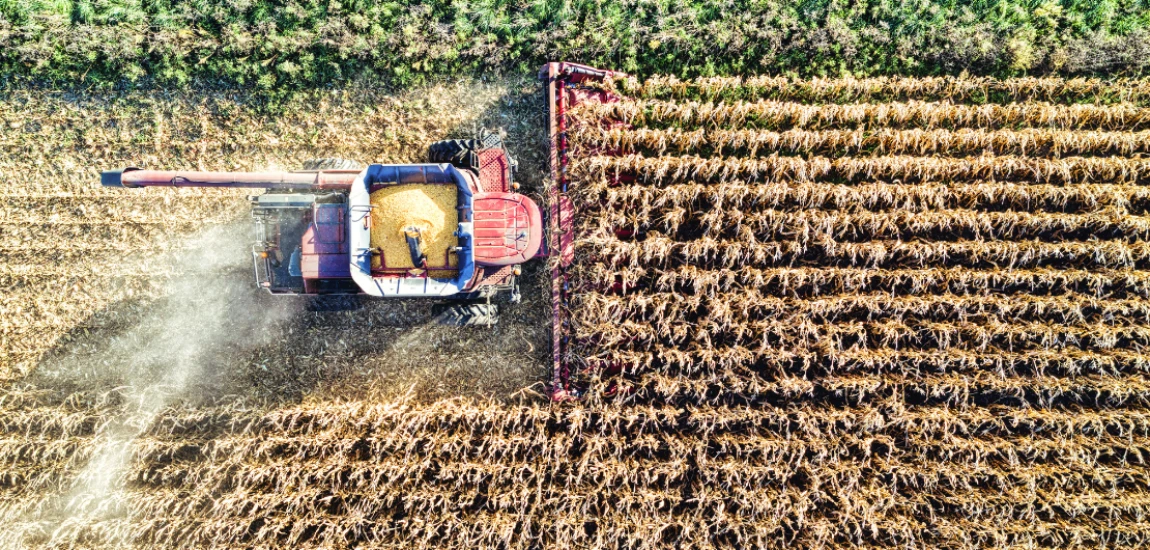
AI-driven agricultural intelligence systems are transforming the global agricultural landscape by introducing data-driven, automated, and highly efficient farming practices. Traditional agriculture relied heavily on manual labor, intuition, and seasonal patterns, which often led to inefficiencies, resource wastage, and unpredictable yields. With the rise of artificial intelligence, machine learning, IoT sensors, and satellite imaging, modern farming has entered the era of precision agriculture. Precision farming optimization platforms enable farmers to monitor crops in real time, analyze soil conditions, predict weather impacts, and optimize resource usage such as water, fertilizers, and pesticides. These systems not only increase productivity but also promote sustainable farming practices that are essential for meeting the food demands of a growing global population. By combining agricultural science with advanced AI technologies, farmers can make smarter decisions and achieve higher efficiency with fewer resources.
Understanding AI-Driven Agricultural Intelligence Systems

Evolution of Modern Agriculture
Agriculture has undergone a significant transformation over the years, evolving from traditional manual farming to highly advanced digital farming systems. In the past, farmers relied on experience, seasonal predictions, and manual observation to manage crops. While effective to some extent, these methods lacked precision and scalability.
The introduction of AI-driven agricultural intelligence systems has revolutionized farming by enabling real-time data collection and analysis. These systems use sensors, drones, and satellite imagery to gather detailed information about soil health, crop growth, and environmental conditions. This evolution has made farming more efficient, predictable, and data-driven.
Role of Artificial Intelligence in Farming
Artificial intelligence plays a central role in modern agriculture by analyzing large datasets and generating actionable insights. Machine learning algorithms can predict crop yields, detect plant diseases, and recommend optimal farming practices.
AI systems continuously learn from historical and real-time data, improving their accuracy over time. This allows farmers to make informed decisions that enhance productivity and reduce risks associated with weather changes and pest infestations.
Importance in Global Food Security
AI-driven agricultural intelligence systems are crucial for addressing global food security challenges. With the world population increasing rapidly, there is a growing demand for efficient food production systems.
These technologies help maximize crop yields while minimizing resource usage, ensuring sustainable food production. They also reduce waste and improve supply chain efficiency, contributing to a more stable global food system.
Core Technologies Behind Precision Farming Platforms

Internet of Things (IoT) in Agriculture
The Internet of Things is a foundational technology in precision farming. IoT sensors are deployed across agricultural fields to collect real-time data on soil moisture, temperature, humidity, and nutrient levels.
This data is transmitted to centralized platforms where it is analyzed to provide insights into crop health and environmental conditions. IoT integration enables continuous monitoring and improves decision-making accuracy.
Artificial Intelligence and Machine Learning
AI and machine learning algorithms analyze agricultural data to identify patterns and predict outcomes. These technologies help farmers optimize planting schedules, irrigation systems, and fertilization processes.
Machine learning models can also detect early signs of plant diseases and pest infestations, allowing for timely intervention and reduced crop damage.
Satellite Imaging and Drone Technology
Satellite imagery and drones provide high-resolution data for monitoring large agricultural areas. These technologies enable farmers to assess crop health, identify problem areas, and track growth patterns.
AI systems analyze this visual data to generate insights that improve farm management and productivity.
Architecture of Agricultural Intelligence Systems

Data Collection and Field Monitoring
The architecture of AI-driven agricultural systems begins with data collection from various sources, including sensors, drones, and satellites.
This data provides a comprehensive view of field conditions and is essential for accurate analysis and decision-making.
Data Processing and Analytics Platforms
Once data is collected, it is processed using advanced analytics platforms. AI algorithms analyze the data to generate insights related to crop health, soil quality, and weather conditions.
These platforms enable real-time monitoring and help farmers make informed decisions quickly.
Decision Support and Automation Systems
Decision support systems use AI-generated insights to provide recommendations for farming activities. These systems can automate irrigation, fertilization, and pest control processes.
Automation reduces manual labor and ensures optimal resource utilization, improving overall efficiency.
Benefits of AI-Driven Agricultural Systems

Increased Crop Yield and Productivity
One of the primary benefits of AI-driven agricultural systems is increased crop yield. By optimizing farming practices, these systems ensure that crops receive the right amount of water, nutrients, and care.
This leads to healthier crops and higher productivity.
Efficient Resource Management
Precision farming platforms help optimize the use of resources such as water, fertilizers, and pesticides.
By applying resources only where needed, farmers can reduce waste and lower operational costs.
Sustainable Farming Practices
AI-driven systems promote sustainable agriculture by minimizing environmental impact.
They reduce chemical usage, conserve water, and support eco-friendly farming methods, contributing to long-term environmental sustainability.


Dave Lee runs "GoBackpacking," a blog that blends travel stories with how-to guides. He aims to inspire backpackers and offer them practical advice.
Dave Lee

Prev Post

Next Post