
Future-Expense Mapping – Visualizing Upcoming Costs Before They Become Emergencies
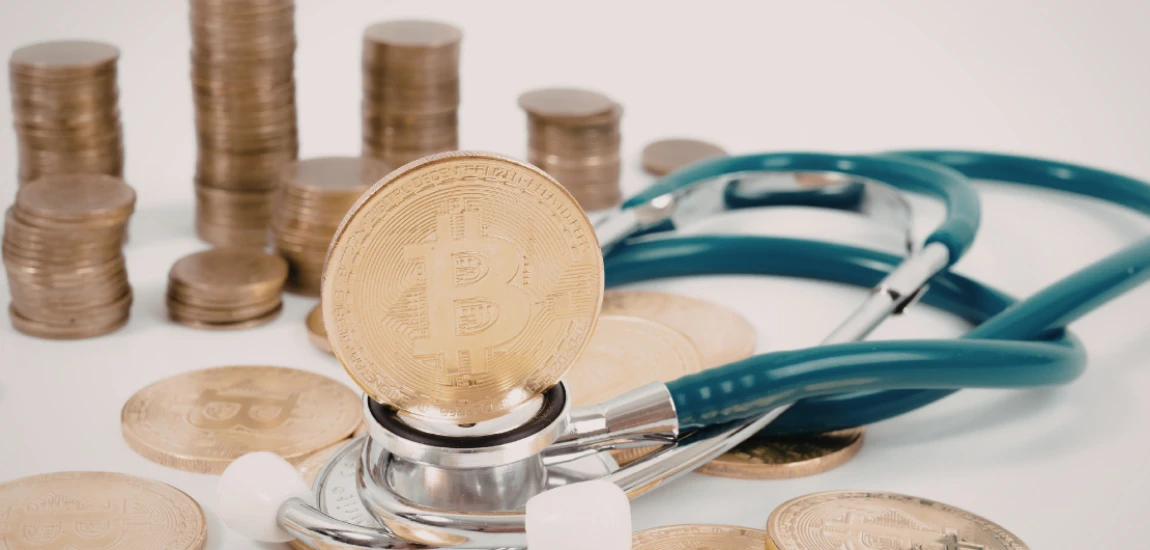
Unexpected costs can quickly derail even the most disciplined budgets. Medical bills, car repairs, home maintenance, seasonal expenses, or irregular payments often arrive without warning, creating financial stress and forcing reactive decisions. Many people rely on emergency funds or reactive savings, but these methods are often insufficient for recurring or predictable costs.
Future-Expense Mapping is a proactive approach to financial planning. It involves visualizing upcoming expenses, categorizing them by urgency and size, and planning resources ahead of time. Instead of reacting to emergencies, you prepare for predictable costs and minimize stress.
By mapping future expenses, you create clarity around your financial obligations and prioritize cash flow more effectively. This approach helps identify potential shortfalls in advance, allowing adjustments in budgeting, savings, or spending to prevent crises.
Future-Expense Mapping also fosters a healthier financial mindset. When costs are visible and accounted for, you feel more in control, reduce anxiety, and make better financial decisions. It transforms budgeting from a reactive, stressful task into a forward-looking, strategic practice that safeguards your money and mental energy.
Understanding Future-Expense Mapping — What It Is and Why It Works

Future-expense mapping is a visualization and planning tool designed to anticipate financial obligations before they become emergencies. It combines elements of budgeting, forecasting, and financial tracking to create a clear picture of upcoming costs.
Differentiating From Standard Budgeting
Unlike traditional budgets that focus on past spending or monthly allocations, future-expense mapping emphasizes upcoming obligations. It extends financial planning beyond routine bills, incorporating irregular or seasonal costs that often catch people off guard.
Psychological Benefits
Mapping future expenses reduces cognitive load by externalizing financial planning. Instead of holding multiple financial commitments in your head, visualization tools provide clarity and reduce decision fatigue. Anticipating costs also mitigates emotional reactions to sudden expenses, making financial management more rational.
Impact on Financial Stability
Future-expense mapping helps prevent overdrafts, late fees, and high-interest borrowing by highlighting potential cash shortfalls in advance. This proactive planning ensures that resources are available when needed, providing stability and peace of mind.
Understanding the mechanism and benefits of future-expense mapping highlights why it is an essential part of modern financial planning, particularly for households with variable income or multiple financial obligations.
Identifying Upcoming Expenses — The Foundation of Mapping

The first step in future-expense mapping is identifying all potential costs. This includes fixed, variable, and irregular expenses across short-term and long-term horizons.
Fixed and Recurring Expenses
Monthly bills such as rent, utilities, subscriptions, loan repayments, and insurance premiums are predictable and should form the backbone of your map. Identifying these ensures no regular payment is overlooked.
Irregular and Seasonal Costs
Many expenses occur periodically rather than monthly. Examples include annual insurance premiums, vehicle maintenance, taxes, holiday spending, and school fees. Mapping these ahead of time prevents last-minute scrambles to cover them.
Potential Emergency Costs
Consider plausible but uncertain costs, such as medical emergencies, urgent home repairs, or sudden travel. While unpredictable, including estimated amounts helps reduce financial shocks and provides flexibility.
Identifying upcoming expenses comprehensively ensures that the map reflects reality, giving you the full picture of financial obligations and enabling accurate planning.
Tools and Techniques for Visualizing Expenses

Visualization is a key component of future-expense mapping. Effective tools transform abstract financial commitments into tangible, actionable plans.
Digital Spreadsheets and Budgeting Apps
Platforms like Excel, Google Sheets, or specialized budgeting apps allow detailed expense tracking, categorization, and timeline visualization. Conditional formatting, charts, and calendars help highlight urgent or large upcoming costs.
Calendar-Based Planning
Mapping expenses onto a calendar provides a temporal perspective, showing when payments will occur throughout the month or year. Visual cues help in prioritizing which expenses need immediate attention and which can be planned gradually.
Envelope or Category Systems
Divide anticipated expenses into categories such as housing, transport, health, and discretionary spending. Assign funds to each category to ensure resources are available when payments arrive. Envelope systems, whether physical or digital, create a mental and financial buffer for each obligation.
Using visualization tools makes future expenses tangible, promoting deliberate planning and reducing the likelihood of financial surprises.
Creating a Buffer for Anticipated Costs

Even with mapping, fluctuations in income or unexpected changes in expenses can occur. Creating buffers ensures that the plan is resilient and adaptive.
Monthly Savings Allocation
Set aside a portion of income specifically to cover mapped future expenses. Treat these allocations as non-negotiable to maintain financial discipline and avoid dipping into emergency funds for predictable costs.
Contingency Funds
Maintain a small contingency fund for expenses that are uncertain in timing or amount. This provides flexibility to handle unexpected costs without disrupting planned payments.
Adjusting for Variable Income
For freelancers, gig workers, or anyone with irregular income, buffers should be dynamic. Map high-income months to cover low-income periods, ensuring smooth cash flow throughout the year.
Buffers make future-expense mapping actionable and reliable, converting planned forecasts into executable financial security measures.


Derek Baron, also known as "Wandering Earl," offers an authentic look at long-term travel. His blog contains travel stories, tips, and the realities of a nomadic lifestyle.
Derek Baron
Prev Post

Next Post