
Why Retro Aesthetics Are Returning to Modern Entertainment
Nostalgia as a Powerful Emotional Trigger
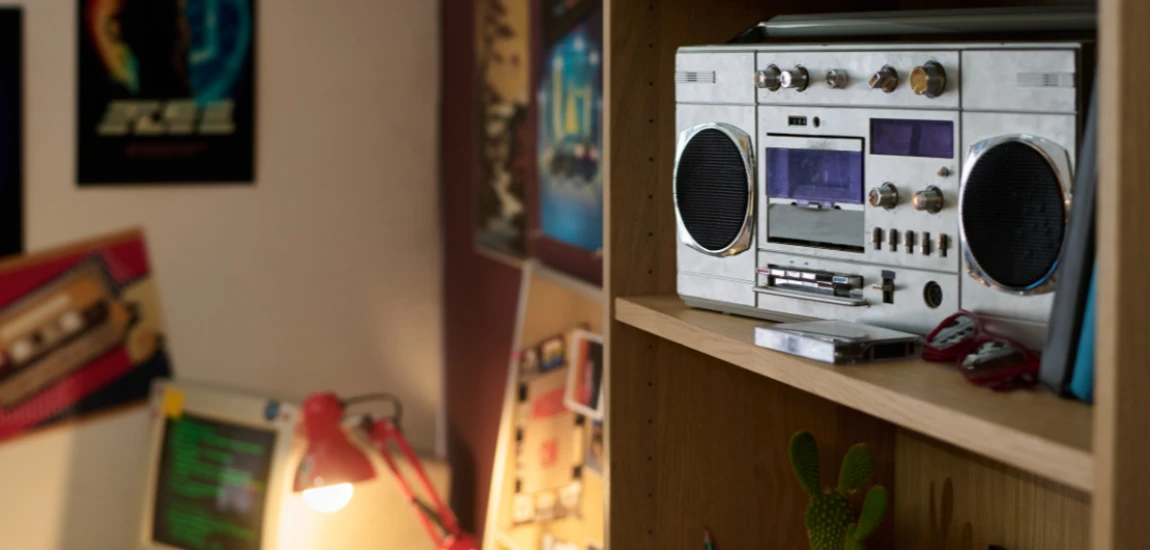
Nostalgia is one of the strongest drivers of consumer interest in entertainment. Retro aesthetics evoke memories of simpler times, childhood comfort, or iconic eras like the ’80s, ’90s, or early 2000s. In a fast-changing digital world, audiences find comfort in familiar sounds, visuals, and styles. Movies like Stranger Things, music trends such as synthwave, and retro-inspired fashion have all grown because of nostalgia’s emotional pull. By tapping into these memories, creators build connections that feel personal and timeless.
The Desire for Authenticity in a Digital Age
In a world saturated with hyper-edited, ultra-polished digital content, retro aesthetics offer authenticity. Grainy textures, film filters, analog sounds, and throwback designs feel raw and real. This authenticity draws audiences who are fatigued by overly manufactured digital aesthetics. Retro elements reconnect people to tangible mediums—film cameras, vinyl records, arcade games—all of which counterbalance the polished perfection of modern tech.
The Cycle of Cultural Revival
Culture naturally moves in cycles. Fashion, art, and entertainment continuously recycle and reinterpret past eras. Today’s revival of retro aesthetics follows previous waves but with a digital twist—modern creators use vintage inspiration while combining it with contemporary technology. As younger generations discover past decades through TikTok, Instagram Reels, and streaming libraries, the retro revival becomes a shared cultural phenomenon across age groups, strengthening its presence in entertainment.
The Influence of Social Media Trends on Retro Revival

The Viral Power of Aesthetic Movements
Social media has played a massive role in the comeback of retro styles. Aesthetic communities such as “Y2K”, “filmcore”, “dark academia”, and “cyberpunk retro” have flourished online. TikTok and Instagram push visual storytelling—filters, captions, outfit videos, playlist edits—which encourages the use of retro color palettes, fonts, and textures. These aesthetics spread quickly because they are visually striking, emotionally evocative, and easy to replicate in digital content.
Creators Reinventing Retro for the Digital Age
Content creators, fashion influencers, and digital artists reinterpret retro styles in fresh ways. They blend vintage looks with today’s editing tools, giving birth to hybrid aesthetics—retro visuals with smooth transitions, VHS textures enhanced by 4K, or 90s R&B vibes mixed with modern beats. These digital reinterpretations allow retro aesthetics to remain timeless while still evolving with technology.
Algorithmic Amplification of Nostalgia
Social media algorithms amplify trends that spark emotional responses. Nostalgia performs especially well because it triggers engagement—likes, shares, comments, and rewatches. The more nostalgic content people interact with, the more platforms promote it, creating a self-sustaining cycle. This algorithmic push greatly supports the return of retro aesthetics in modern entertainment, making it easy for throwback content to reach millions overnight.
Retro Visuals in Film, TV, and Streaming

The Charm of Analog Visuals in a Digital World
Filmmakers increasingly incorporate retro aesthetics, such as neon lighting, grainy film textures, glitch effects, and vintage color grading. Shows like Euphoria, Fargo, and The Bear use these elements to evoke specific emotions or time periods. Retro visuals help directors build atmospheric storytelling—whether it’s a dreamy 90s vibe or a gritty 70s style. Audiences enjoy the cinematic nostalgia because it feels more artistic and emotional compared to ultra-clean digital imagery.
Technology Enabling Retro Cinematic Effects
Modern editing tools allow film creators to replicate retro effects with ease. Software like DaVinci Resolve, Premiere Pro, and After Effects offer plug-ins for VHS looks, film grain, light leaks, and analog imperfections. Instead of shooting on expensive vintage film stock, creators can digitally recreate retro styles without compromising production budgets. This makes retro aesthetics accessible to indie filmmakers, YouTubers, and content creators alike.
Storytelling Connected to Retro Themes
Retro aesthetics also help tell stories rooted in specific decades or cultural memories. Period dramas, music documentaries, and throwback sci-fi use visual nostalgia to immerse viewers in another era. Even futuristic films borrow retro futurism—a style inspired by old sci-fi predictions—to create worlds that feel both nostalgic and new. Retro visuals aren’t just a style—they are a storytelling tool that deepens narrative meaning.
The Sonic Revival: Retro Music Styles in Today’s Culture

The Return of Vinyl, Synthwave, and Vintage Sound Design
Music has seen one of the most significant retro revivals. Vinyl records have made a major comeback, surpassing CD sales in many regions. Genres like synthwave, disco-pop, lo-fi hip-hop, and 90s R&B have regained massive popularity. These styles offer warm, analog-rich sounds that contrast with today’s crisp digital production. Younger generations appreciate the comforting, textured quality of vintage audio aesthetics.
Music Producers Blending Retro and Modern Techniques
Producers now mix retro instruments—synths, drum machines, cassette distortions—with modern DAWs and mixing tools. This creates a unique hybrid sound that feels both classic and contemporary. Artists like The Weeknd, Dua Lipa, and Bruno Mars have built chart-topping hits that lean heavily into retro influences. The trend shows that vintage sonic elements remain timeless when paired with modern production clarity.
Soundtracks Supporting Retro-Themed Entertainment
Retro-inspired soundtracks significantly shape modern entertainment projects. The synth-heavy score of Stranger Things, the 80s rock cues in Guardians of the Galaxy, and nostalgic theme songs in indie games all showcase how retro music enhances storytelling. Retro soundscapes trigger emotional memory and deepen immersion, making them a strategic creative choice in today’s media landscape.
Retro Gaming and the Return of Pixel Culture

Why Pixel Art Games Are Thriving Again
Retro gaming aesthetics—pixel art, 8-bit soundtracks, and simple UI designs—have re-emerged as a major movement. Indie games like Celeste, Stardew Valley, and Undertale prove that nostalgia-driven visuals can hold immense emotional value. Pixel art is not only stylistically charming but also allows smaller studios to create compelling games without massive budgets. This practical and emotional appeal fuels the retro gaming renaissance.
Nostalgia-Fueled Game Design Trends
Modern games borrow gameplay styles from classic arcade, platformer, and RPG titles. Gamers enjoy the challenge, simplicity, and emotional familiarity these design choices offer. Retro gaming aesthetics remind players of childhood, create emotional bonding, and provide a break from hyper-realistic modern graphics. This nostalgic comfort drives the continued demand for retro-style gaming.
The Influence of Emulators and Streaming Platforms
Retro games thrive thanks to emulators, remastered editions, and game streaming platforms. Services like Nintendo Switch Online, PlayStation Classics, and Steam retro bundles help preserve and popularize old titles. These platforms ensure that retro gaming aesthetics remain relevant and accessible for new generations, supporting their return to mainstream entertainment.
Fashion, Branding, and Design: Retro Aesthetics in Visual Culture

The Y2K, 90s, and 80s Style Comeback
Fashion heavily influences entertainment aesthetics. Retro trends like Y2K glitter, 90s grunge, 80s neon, and early 2000s tech nostalgia dominate today’s clothing brands, music videos, and influencer content. These throwback styles visually shape entertainment and reinforce the retro revival across media platforms.
Retro Design in Branding and Marketing
Brands use retro typography, color palettes, and vintage graphic design to evoke trust and familiarity. Movie posters, album covers, and series artwork often borrow retro styles to attract nostalgic audiences. This marketing strategy works because retro visuals are instantly recognizable and evoke positive emotional associations.
How Retro Aesthetics Strengthen Cultural Identity
Retro styles create a sense of shared cultural memory. Whether it’s VHS-inspired filters, vintage fonts, or 90s fashion, these elements help audiences connect to past eras while staying grounded in the present. Entertainment that uses retro aesthetics feels both familiar and new, creating a unique cultural bridge between generations.


Gilbert Ott, the man behind "God Save the Points," specializes in travel deals and luxury travel. He provides expert advice on utilizing rewards and finding travel discounts.
Gilbert Ott

Prev Post

Next Post