
Virtual Fandoms: How Fan Communities Are Evolving in the Metaverse
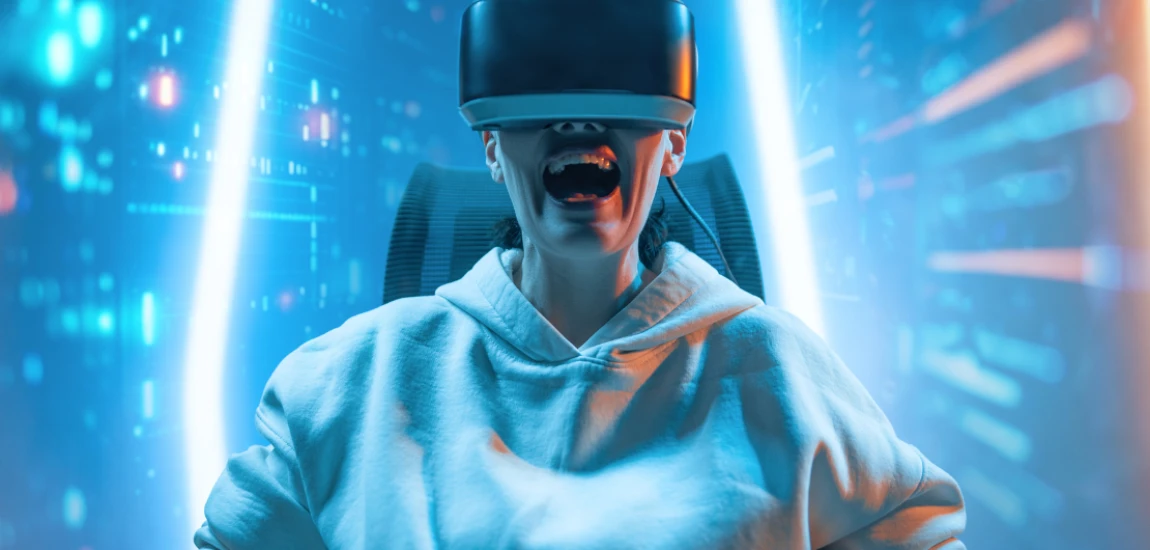
Once limited to convention halls and comment threads, fandom has now found a new frontier—the metaverse. As online worlds evolve into immersive social ecosystems, fans are no longer just passive spectators; they are creators, collaborators, and cohabitants in virtual universes built around shared passions.
The Evolution of Fandom in the Digital Age
Fandom has always been about connection—people coming together to celebrate shared interests, whether that’s a beloved movie franchise, an artist, or a video game. Social media made these communities global, but the metaverse adds a new dimension: embodiment. Fans can now step inside their favorite worlds, interact as avatars, and experience digital culture in three dimensions.
Beyond Social Media Engagement
While Twitter threads and Reddit forums once drove fan culture, immersive platforms like Roblox, Fortnite, and VRChat are giving rise to virtual fandoms—communities that live and breathe within shared digital spaces. These platforms allow fans to co-create and experience fandom in real-time, merging play, art, and identity.
A New Digital Identity
In the metaverse, fandom becomes more than expression—it becomes identity. Fans craft avatars, build virtual homes inspired by their favorite media, and attend concerts or film screenings within digital worlds. The line between fan and participant is disappearing, ushering in a new era of experiential fandom.
The Rise of Virtual Fandoms in the Metaverse

The concept of virtual fandoms extends far beyond chatrooms or online fan pages—it’s about fans existing and interacting within immersive 3D worlds where imagination becomes tangible.
How the Metaverse Expands Fan Spaces
The metaverse transforms fandom from discussion to participation. Fans can explore recreations of fictional worlds—like the Star Wars universe in VRChat or Marvel-inspired experiences in Fortnite—and directly interact with other enthusiasts, blurring the line between fan-made and official spaces.
Platforms Leading the Fandom Revolution
Games like Fortnite, Minecraft, and Roblox have become major platforms for fan expression. Fortnite’s virtual concerts with artists like Travis Scott and Ariana Grande redefined live entertainment, showing how fandom can thrive in shared, digital venues. Roblox, meanwhile, hosts virtual fashion shows and film-themed experiences that deepen community ties.
The Power of Immersion
Unlike traditional social media, the metaverse offers presence—a sense of being physically there. This immersive quality fosters stronger emotional bonds between fans, creators, and the content itself. The result is a richer, more participatory culture that mirrors real-world connection but exists entirely online.
Fan Creativity in Virtual Worlds

Creativity is the beating heart of fandom, and the metaverse has become its new canvas. Fans are no longer confined to fanfiction and fan art—they’re building full-fledged virtual experiences.
The Rise of Fan-Built Worlds
Fans are constructing their own digital landscapes inspired by their favorite franchises. Whether it’s a Hogwarts-themed VRChat world or a K-pop concert arena inside Roblox, these creations reflect deep affection and technical skill. Virtual fandoms empower users to design, share, and even monetize their fan projects.
The Role of Digital Art and NFTs
Digital collectibles and NFTs (non-fungible tokens) are giving fans a way to own and trade pieces of virtual culture. From limited-edition avatars to digital merchandise, fans can support creators while expressing identity through ownership—a concept unique to the metaverse economy.
Collaboration Between Fans and Brands
Increasingly, entertainment companies are recognizing the value of these fan-created spaces. Collaborations between brands and fandom communities—such as Star Wars events in Fortnite or Stranger Things tie-ins with Roblox—show how virtual fandoms are shaping official media ecosystems.
Social Dynamics and Community Building in Virtual Fandoms

Fandom has always thrived on social connection, but the metaverse elevates that connection to a new level of intimacy and interactivity.
Shared Presence and Collective Emotion
In virtual worlds, fans don’t just chat—they gather, celebrate, and co-create. Imagine thousands of avatars attending a virtual concert or exploring a themed island together. This shared presence fosters genuine emotional connection, mimicking real-world fan gatherings like Comic-Con or music festivals.
Identity and Belonging
Virtual fandoms allow fans to experiment with digital identity. Through customizable avatars, fans can embody their favorite characters or express their inner selves without constraints. This fosters inclusivity, allowing people of all backgrounds to participate and belong.
Community Governance and Ethics
Many virtual fandoms operate like small societies, with rules, moderators, and shared values. These spaces are often self-governed, emphasizing collaboration, respect, and creativity. However, as these communities grow, issues like moderation, copyright, and harassment remain key challenges to navigate.
The Economic Impact of Virtual Fandoms

Beyond creativity and connection, virtual fandoms are reshaping how entertainment generates value. The metaverse introduces a new economic model—where engagement, experience, and ownership converge.
The Rise of the Fan Economy
Fans are no longer just consumers—they’re participants in a growing creator economy. Virtual concerts, fan-built experiences, and in-game purchases generate real-world revenue. Artists and studios can now monetize engagement in ways previously unimaginable, with fans actively contributing to that value.
Virtual Merchandising
Digital fashion, branded skins, and exclusive collectibles are becoming the new merch table. Fans spend on identity-driven purchases—like limited-edition outfits for avatars or virtual memorabilia—that reinforce community belonging while fueling the virtual economy.
Monetization Through Community Engagement
Brands that nurture virtual fandoms often see higher engagement and retention rates. When fans feel invested—not just emotionally but financially—they become ambassadors and collaborators. This participatory model blurs the traditional divide between producer and consumer.
The Future of Fandom in the Metaverse

As the metaverse evolves, so too will the ways fans connect, create, and celebrate. The next decade promises deeper immersion, cross-platform integration, and even AI-driven fan experiences.
The Blending of Reality and Virtuality
Future fandom experiences will merge the digital and physical. AR (augmented reality) could allow fans to project their favorite characters into the real world, while VR spaces offer fully immersive, shared experiences—turning fandom into a hybrid of imagination and reality.
AI and Personalized Fandom Experiences
Artificial intelligence will play a major role in tailoring fan interactions. Imagine AI-generated concerts featuring your favorite characters or personalized storylines in fan-built worlds. AI-driven creativity will make virtual fandoms more adaptive, interactive, and emotionally resonant.
Ethical and Cultural Considerations
With new technology comes new responsibility. The challenge for virtual fandoms will be maintaining inclusivity, safety, and authenticity while navigating intellectual property rights and commercialization. As fandoms become more immersive, ethical design will become crucial to preserving the spirit of community.


Ben Schlappig runs "One Mile at a Time," focusing on aviation and frequent flying. He offers insights on maximizing travel points, airline reviews, and industry news.
Ben Schlappig

Prev Post

Next Post