
Virtual Concerts, Metaverse Festivals & AR-Enhanced Live Shows: What Fans Want & What the Future Holds
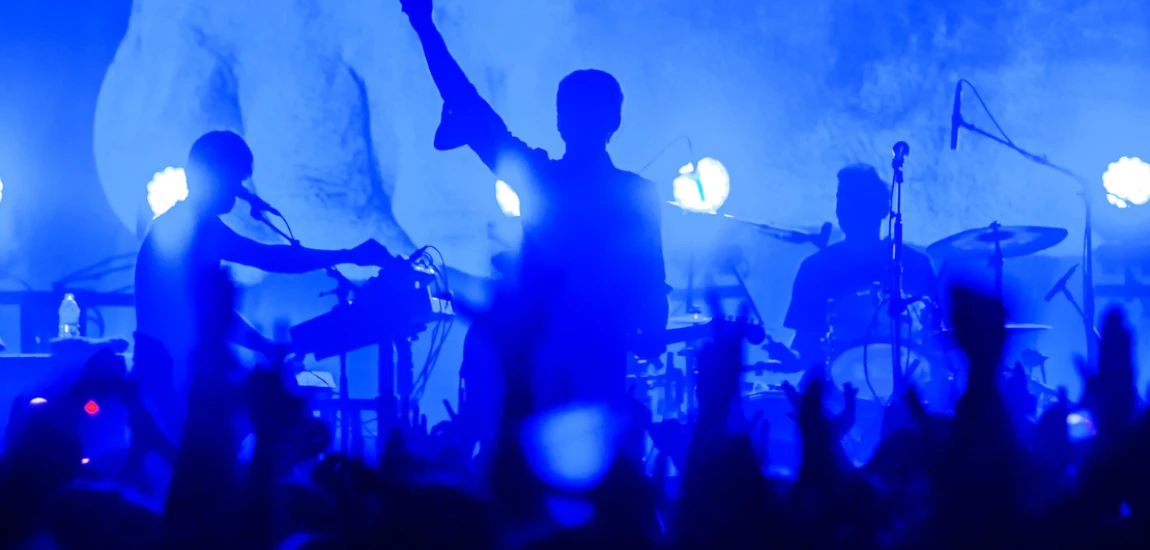
The pandemic accelerated the rise of virtual concerts, turning what was once a niche experiment into a global trend. Artists, unable to tour physically, began exploring digital platforms to reach fans worldwide. What started as livestream performances has evolved into immersive, interactive spectacles redefining the live music industry.
From Livestreams to High-Production Shows
Initially, virtual concerts were simple—musicians streaming from home studios. But as the format matured, artists and production companies began using green screens, visual effects, and professional sound engineering to deliver more cinematic experiences. Examples include BTS’s Bang Bang Con and Travis Scott’s Fortnite concert, which drew millions.
Accessibility and Global Reach
One of the biggest benefits of virtual concerts is accessibility. Fans who couldn’t afford travel or tickets to traditional shows now have the chance to participate. Digital concerts eliminate barriers like geography, mobility, and even cost. Many platforms offer free or tiered access, ensuring inclusivity while still generating revenue.
Fan Engagement in Real Time
Virtual platforms often include chat features, fan shoutouts, and interactive polls. This real-time engagement makes audiences feel like part of the show. Instead of passively watching, fans can influence setlists, stage visuals, or even interact with the artist’s avatar.
The rise of virtual concerts demonstrates how technology can expand—not replace—the live music experience, making it more inclusive and interactive.
Metaverse Festivals: A New Dimension of Music Culture

While virtual concerts focus on single events, metaverse festivals create entire digital worlds for fans to explore. These are not just performances—they’re fully immersive cultural experiences.
Building Digital Festival Worlds
Platforms like Decentraland, Roblox ,and Fortnite have hosted massive festivals where fans explore 3D environments, visit digital art exhibits, and attend multiple stages. These experiences replicate the excitement of physical festivals while adding creative twists impossible in real life, such as zero-gravity dance floors or stages built on floating islands.
Community and Social Connection
Festivals in the metaverse foster community. Fans can attend with friends, meet others as avatars, and share experiences in real time. Just like physical festivals, these digital events offer a sense of belonging and collective joy—only without muddy fields or long bathroom lines.
Monetization and Digital Merch
Metaverse festivals open new revenue streams for artists and organizers. Virtual tickets, exclusive skins, and limited-edition NFTs (non-fungible tokens) act as collectibles, much like festival merchandise in the physical world. These items not only drive revenue but also create digital status symbols for fans.
By merging music, gaming, and digital culture, metaverse festivals are pioneering a new form of entertainment that feels limitless.
AR-Enhanced Live Shows: Blending the Physical and Digital

Augmented reality (AR) is transforming live shows by layering digital elements onto physical performances. Unlike VR, which fully immerses fans in digital worlds, AR enhances real-world concerts with dynamic visuals.
Visual Spectacles Beyond the Stage
Artists are using AR to create mind-bending effects—dragons flying above the audience, holographic bandmates, or stages that morph in real time. These elements amplify the spectacle, making shows feel like part concert, part fantasy film. AR ensures that live performances remain competitive in an era of digital-first entertainment.
Fan Interactivity Through Devices
Fans can participate using smartphones or AR glasses. Apps allow audiences to view additional visuals, unlock hidden layers of the performance, or even play mini-games synced with the concert. This personalization transforms fans from passive viewers into active participants.
Hybrid Concert Models
Many artists are experimenting with hybrid shows that combine physical and digital attendance. In this model, fans at the venue experience AR enhancements, while global fans join virtually through VR headsets or livestream platforms. This fusion ensures that live music remains both local and global at the same time.
AR-enhanced shows point toward a future where concerts are multi-sensory, boundary-breaking experiences.
What Fans Really Want from Digital Music Experiences

As the industry experiments with virtual concerts, metaverse festivals, and AR-enhanced live shows, one question drives success: what do fans actually want?
Immersive Storytelling
Fans crave more than just performances—they want stories. Digital platforms give artists the ability to craft narratives around their shows, weaving music with visuals, lore, and interactive elements. This storytelling transforms concerts into emotional journeys, not just playlists.
Accessibility and Inclusion
Audiences increasingly value accessibility. Fans want options—affordable digital tickets, on-demand replays, and inclusive features like captions. By lowering barriers, artists can expand their fan base and foster loyalty across demographics.
Deeper Fan-Artist Connections
Fans expect more personal interactions. Virtual meet-and-greets, exclusive Q&As, or fan-generated setlists make audiences feel seen and valued. Platforms that prioritize these connections will thrive in the competitive digital music landscape.
Ultimately, fans want experiences that feel both special and participatory, blending spectacle with intimacy.
Opportunities for Artists and the Music Industry

The shift to digital and hybrid concerts is not just about fan engagement—it’s also reshaping business models for artists, labels, and event organizers.
Expanding Revenue Streams
Beyond ticket sales, artists can monetize virtual events through digital merch, brand sponsorships, and pay-per-view replays. NFTs and blockchain-backed collectibles offer fans digital ownership while giving artists new ways to generate income.
Breaking Geographic Barriers
Digital shows allow artists to perform for global audiences without the logistics of world tours. A single metaverse festival can reach millions across continents, expanding an artist’s reach far beyond traditional markets.
Long-Term Engagement
Unlike physical concerts, digital performances can live on indefinitely. Fans can rewatch, share, and engage with shows after they happen, extending the lifespan of an event and keeping communities engaged long-term.
For the industry, these opportunities represent a redefined approach to music promotion, revenue, and fan building.


Gary Arndt operates "Everything Everywhere," a blog focusing on worldwide travel. An award-winning photographer, Gary shares stunning visuals alongside his travel tales.
Gary Arndt

Prev Post

Next Post