
The Semiotics of the Stream: Meaning in the Era of Endless Content
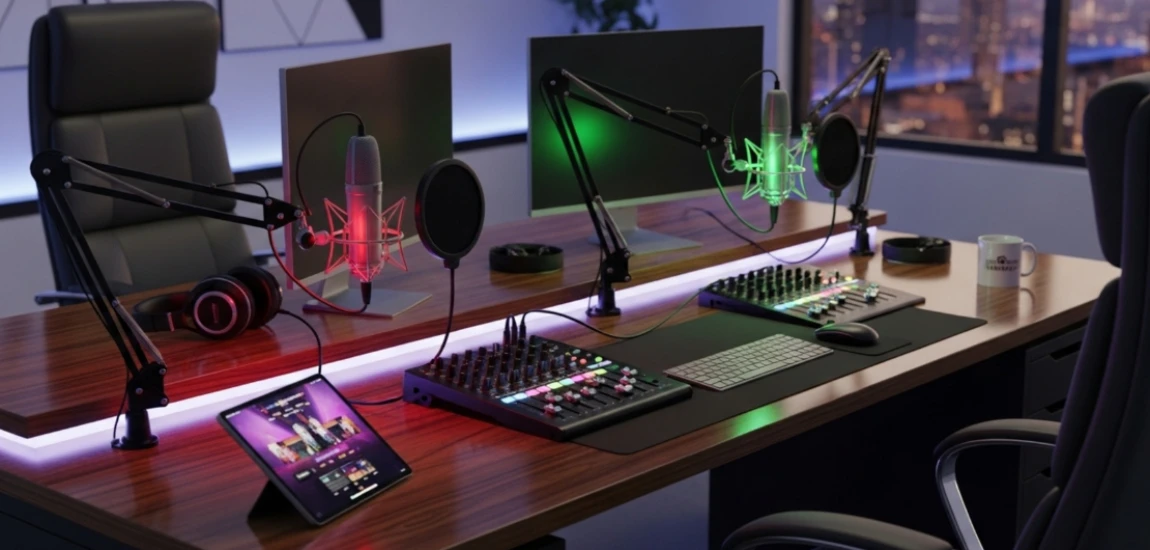
From Broadcast to Stream: A Shift in Cultural Language
Before the digital revolution, meaning was structured by scarcity—few channels, limited airtime, curated voices. Today, we swim in abundance. The stream—whether on YouTube, TikTok, Spotify, or Netflix—is a continuous, self-updating flow of signs. Each post, video, or soundbite is a micro-symbol competing for attention, context, and interpretation. In semiotic terms, the stream has become both message and medium, where meaning is shaped by movement, not stasis.
The Attention Economy and Symbol Overload
The constant flow of media creates a new kind of semiotic landscape—one where symbols lose fixed meaning through repetition and remixing. A meme template, a trending sound, or an emoji may shift meaning multiple times in a week depending on context. The stream doesn’t just distribute content—it mutates it, transforming every sign into a living, circulating entity.
Why Semiotics Matters in a Streaming World
Semiotics—the study of signs and meaning—helps us decode how digital content communicates beyond words. Understanding the semiotics of the stream reveals how algorithms, aesthetics, and repetition shape cultural perception. It’s not just about what we watch—it’s about how watching itself creates shared symbols that define our digital identities.
The Language of the Algorithm: How Meaning Is Engineered

Algorithms as Cultural Editors
In the streaming era, algorithms act as invisible semioticians. They decide which signs we see, which narratives we follow, and which meanings dominate our feeds. TikTok’s “For You” page or Netflix’s recommendations don’t just reflect our preferences—they produce them. By curating patterns, rhythms, and trends, algorithms shape a shared cultural vocabulary that feels organic but is deeply engineered.
The Power of Personalization
Personalization is often presented as user empowerment, but semiotically, it fragments collective meaning. When every user experiences a slightly different stream, shared cultural context weakens. We no longer gather around one symbol (like a hit TV show or national broadcast); instead, we each inhabit micro-worlds of meaning built from data. This hyper-tailored flow redefines what “mass culture” means in the digital age.
Algorithmic Aesthetics and Predictive Design
Streaming platforms use visual semiotics—color, motion, typography—to drive engagement. Thumbnails are optimized through A/B testing, titles are linguistically tuned, and creators learn to replicate “performative cues” that trigger attention. Over time, the aesthetics of the stream converge into recognizable patterns: the same pastel filters, the same zoomed expressions, the same pacing. This homogenization gives the stream its uncanny sense of familiarity—an endless déjà vu of meaning.
Symbol Fatigue: The Collapse of Original Meaning

When Everything Means Everything (and Nothing)
In the digital stream, symbols are recycled at dizzying speed. A viral image may start as satire, morph into irony, and end as advertising—all within a week. This fluidity creates symbol fatigue: an exhaustion born from the endless remixing of cultural signs. When every symbol can be endlessly reused, its meaning becomes diffuse, slippery, and often hollow.
The Meme as Modern Hieroglyph
Memes are the perfect example of streaming semiotics. They compress meaning into fast, repeatable signs—easily decoded but endlessly adaptable. A meme isn’t a static image; it’s a framework for meaning-making. Each iteration adds a new layer, creating what semioticians call polysemy—multiple interpretations coexisting simultaneously. The meme becomes a conversation, not a conclusion.
Emotional Overload and Symbolic Desensitization
Because the stream operates on constant novelty, emotional peaks become flattened. Outrage, humor, empathy, and despair all circulate together, diluting emotional impact. The semiotics of the stream thus create emotional equivalence—a cat video and a climate crisis clip can appear side by side, given equal algorithmic weight. Meaning isn’t lost—but it’s constantly competing for survival.
The Semiotics of Streaming Platforms: Architecture as Message

Interface Design as Meaning-Maker
Every streaming platform communicates a philosophy through its interface. Netflix’s autoplay implies continuity and surrender; TikTok’s swipe design suggests speed and disposability. YouTube’s comment sections foster participation and debate. In semiotic terms, these interfaces are sign systems—they encode specific relationships between user and content, attention and identity.
Visual Cues and Temporal Flow
Color, motion, and rhythm convey meaning before content even begins. The red progress bar on YouTube signals urgency and progress; TikTok’s vertical orientation evokes intimacy and immediacy; Spotify’s looping animations suggest endless discovery. These cues teach users how to feel the platform, conditioning emotional responses to time and engagement.
Platform Rituals and User Behavior
Rituals—such as “skip intro,” “like and subscribe,” or “add to watchlist”—act as symbolic gestures of belonging. They reinforce the culture of streaming, creating behavioral shorthand understood globally. Each platform develops its own semiotic language, and users who learn it become fluent participants in digital meaning-making.
Streaming Identities: How Users Become Symbols

The Self as Streamable Content
Social platforms have turned individuals into both consumers and producers of signs. Every profile picture, caption, or video becomes a semiotic unit—a message about identity, belonging, or aspiration. In the streaming era, self-presentation is performative and iterative: users edit themselves to fit algorithmic logic, chasing visibility through legibility.
Virality as Validation
To “go viral” is to temporarily occupy a privileged position in the stream’s sign system. Virality functions as digital semiotic power—it validates one’s symbolic relevance in the attention economy. However, this power is fleeting. Once a sign (or person) saturates the stream, its novelty fades, and meaning dissipates. The algorithm moves on, and the user becomes just another symbol in circulation.
The Politics of Representation
Streaming culture also reshapes how race, gender, and identity are represented. Creators must navigate visibility politics within algorithmic systems that reward certain aesthetics and suppress others. Understanding the semiotics of the stream thus means examining who gets seen, how they are framed, and whose meanings are amplified or erased by digital infrastructures.
Meaning in the Age of Infinite Scroll

The Semiotics of Attention
In an infinite scroll environment, attention becomes the ultimate signifier of value. Likes, views, and watch time act as semiotic currencies—quantifying meaning through engagement metrics. What gets measured gets amplified, creating a feedback loop where meaning is defined by visibility rather than depth.
Slow Media and the Search for Significance
As users tire of endless streams, slow media movements have emerged—encouraging mindful engagement, narrative depth, and contextual awareness. Podcasts, newsletters, and curated platforms are attempts to reclaim semiotic stability in a world of flux. They show that meaning can still thrive in the stream—if we choose to pause.
Reclaiming Semiotic Agency
To navigate the semiotics of the stream consciously, users can develop “semiotic literacy”—an awareness of how meaning is encoded and manipulated. Recognizing how platforms shape emotion and identity allows for resistance against passive consumption. Semiotic literacy empowers users to curate their own symbolic ecosystems instead of being defined by algorithmic ones.


Kate McCulley, the voice behind "Adventurous Kate," provides travel advice tailored for women. Her blog encourages safe and adventurous travel for female readers.
Kate McCulley
Prev Post

Next Post