
The Rise of Emotion-Driven Adaptive Lighting in Smart Home Entertainment
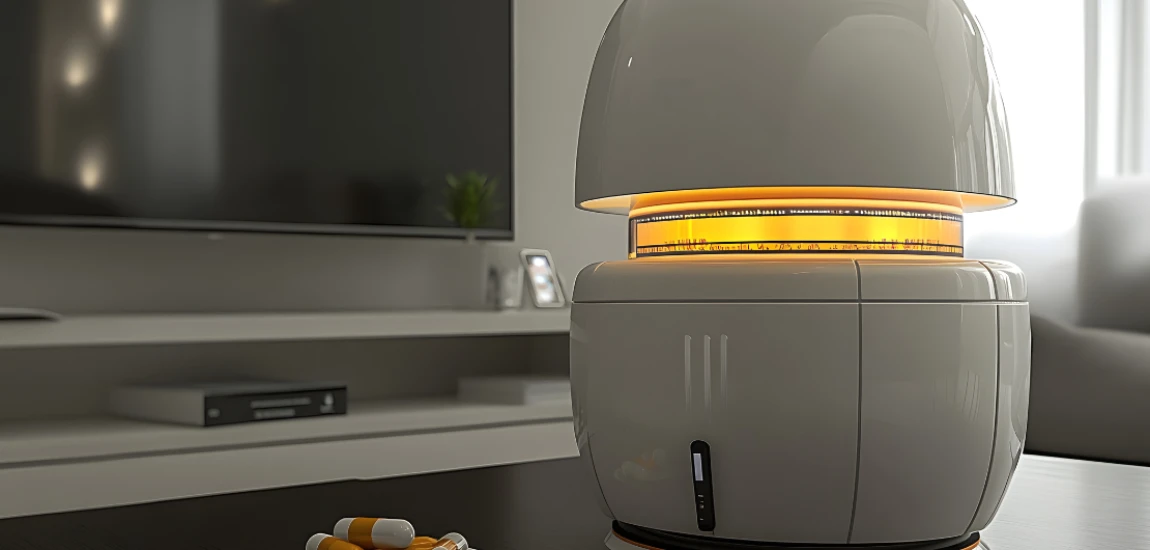
What is emotion-driven adaptive lighting?
Emotion-driven adaptive lighting refers to lighting systems that automatically adjust brightness, hue, and intensity based on the emotional state of the occupants or the content being consumed. Unlike traditional smart lighting, which relies on pre-programmed schedules or manual input, emotion-driven systems integrate sensors, AI, and machine learning to create dynamic, mood-responsive environments.
How sensors detect emotions
These lighting systems often use wearable devices, cameras, or environmental sensors to monitor indicators like heart rate, facial expressions, voice tone, and even body language. By analyzing these signals in real time, the AI algorithms infer the user’s emotional state—such as excitement, relaxation, tension, or joy—and adapt the lighting accordingly to enhance immersion.
The connection between emotion and environment
Lighting has a profound effect on human perception and mood. Warm, dim lights promote relaxation, while cool, bright lights encourage focus or energy. By integrating emotional feedback, adaptive lighting can synchronize with users’ psychological states, reinforcing experiences such as movie watching, gaming, or social interactions within smart homes.
How AI Powers Adaptive Lighting Systems

Real-time emotion recognition
AI analyzes complex emotional data streams from multiple sources to interpret user moods. Deep learning algorithms identify patterns in facial microexpressions, vocal intonations, and biometric changes. These insights allow lighting systems to adjust instantly, creating seamless transitions that align with both the content and the user’s emotional state.
Content-aware lighting adjustments
Emotion-driven lighting also reacts to the type of content being consumed. For example, during an action-packed movie scene, the system may enhance visual excitement with dynamic, high-contrast lighting, whereas a suspenseful thriller might be complemented by low-intensity, subtle hues. AI ensures that lighting complements the narrative, amplifying the viewer’s immersion without distraction.
Learning user preferences over time
Advanced systems employ machine learning to learn personal preferences and behavioral patterns. Over time, the AI becomes more accurate in predicting which lighting settings evoke desired emotional responses, effectively tailoring entertainment experiences to individual tastes and habits. This creates a highly personalized home entertainment environment.
Applications in Smart Home Entertainment

Home theaters and cinematic experiences
Adaptive lighting transforms home theaters into immersive cinematic environments. By syncing lights with movie scenes, the system enhances emotional impact, mimicking theater effects such as accent lighting during suspenseful moments or gentle glows during emotional scenes. This creates a full sensory experience that elevates home viewing to professional levels.
Gaming and interactive entertainment
In gaming, emotion-driven lighting heightens engagement by responding to player reactions. Lights may intensify during high-adrenaline moments or shift to calming tones during downtime, helping players feel fully immersed in the game world. This not only enhances enjoyment but also provides subtle biofeedback, allowing players to maintain focus and energy balance.
Music and ambient experiences
Music listening and social gatherings benefit from adaptive lighting as well. Emotion-driven systems adjust color palettes, pulse rates, and brightness to match musical rhythm or social energy, enhancing ambiance. Users can enjoy a dynamic, immersive environment that responds to both the mood of the music and the emotional state of those present.
Benefits of Emotion-Driven Adaptive Lighting

Enhanced immersion and engagement
By synchronizing lighting with emotional and content cues, users experience deeper immersion in entertainment. Dynamic changes in light intensity, color, and direction enhance visual and psychological cues, creating more compelling experiences than static lighting.
Mood regulation and well-being
Emotion-driven lighting can positively influence mental states. For instance, calming lighting during stressful gaming sessions reduces tension, while energizing light palettes promote alertness during interactive content. This makes entertainment not just enjoyable but beneficial for overall mood and cognitive engagement.
Personalized user experiences
Each user experiences the environment differently based on their reactions and preferences. Emotion-driven systems learn and adapt over time, ensuring that lighting choices reflect individual emotional responses. This personalization creates a more intimate, enjoyable, and satisfying smart home entertainment experience.
Challenges in Implementing Emotion-Driven Lighting

Accuracy of emotion detection
Emotion recognition depends on interpreting complex, often subtle signals. Misreadings may lead to inappropriate lighting changes, breaking immersion or causing frustration. Achieving accurate and reliable detection remains a technological challenge.
Privacy and ethical considerations
Monitoring emotions through cameras or biometric devices raises privacy concerns. Users must trust that data is securely processed and stored. Transparent policies and local data processing can mitigate risks while ensuring safety and comfort.
Technical integration and cost
Emotion-driven systems require robust hardware, sensors, and smart lighting infrastructure, which may involve high initial investment. Integration with existing home entertainment devices and platforms can also be challenging, requiring standardized protocols and AI compatibility.


Gary Arndt operates "Everything Everywhere," a blog focusing on worldwide travel. An award-winning photographer, Gary shares stunning visuals alongside his travel tales.
Gary Arndt

Prev Post

Next Post