
The Recombinant Imagination: Remix Culture in the Age of AI
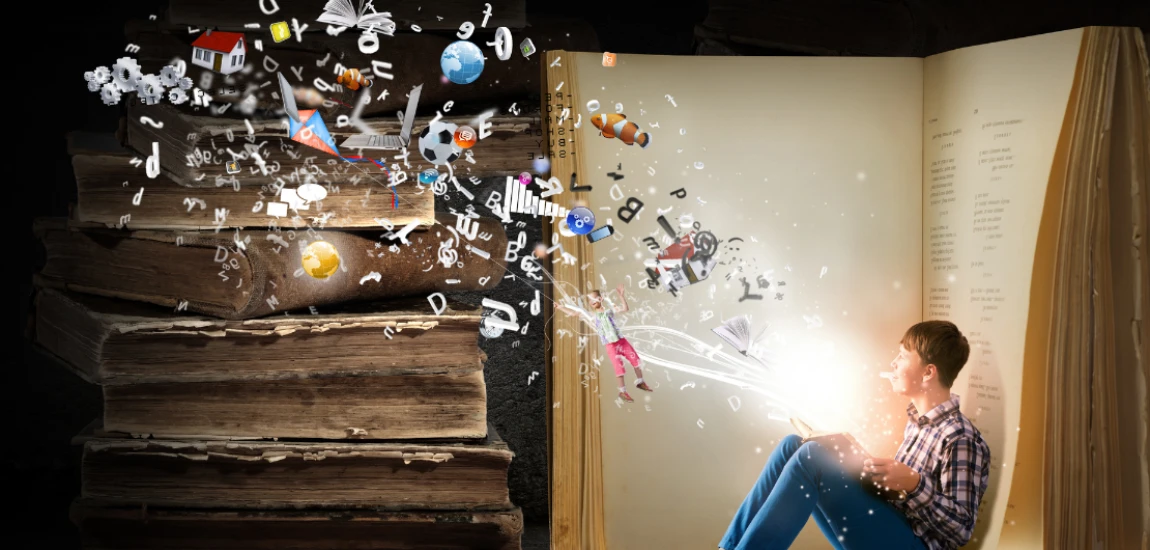
Creativity as Evolution, Not Creation
Every idea is born from another. Whether in art, science, or technology, creativity has always been recombinatory—a process of connecting pre-existing elements in novel ways. The Renaissance painter borrowed from myth; the modern filmmaker borrows from memes. Today’s recombinant imagination extends this lineage, blending fragments of culture, data, and history into new hybrid forms.
The DNA of Ideas
Think of creativity as genetic recombination. Just as biological evolution rearranges DNA to produce new life, the human mind rearranges information to produce new meaning. The difference in our era is speed and scale: with digital archives and AI databases at our fingertips, the raw material of imagination has multiplied exponentially. The infrastructure of creativity is no longer the mind alone—it’s the cloud, the algorithm, and the network.
The Shift from Creation to Curation
In the age of abundance, creativity is less about inventing from nothing and more about selecting, remixing, and recontextualizing. Curation has become a creative act in itself—playlist makers, meme artists, and digital collagists shape collective taste through recombination. This evolution challenges traditional hierarchies of originality, making creativity a participatory ecosystem rather than an individual performance.
Remix Culture: The Art of Reuse and Reinvention

The Origins of Remix Thinking
Remix culture predates the internet. From Duchamp’s readymades to hip-hop sampling, artists have long transformed existing works into new statements. What changed in the digital age is accessibility. Anyone with a smartphone can now sample, edit, and publish globally. Remix has evolved from subculture to default mode of creativity, reflecting how digital media blurs the line between consumption and creation.
The Politics of Remix
Remix culture also carries social and political implications. When creators remix, they question authority—ownership, authorship, and the sanctity of the “original.” Memes, for example, turn political speeches or corporate branding into public commentary. This democratization of creativity gives power to users, making remixing not just an art form but a form of resistance against top-down cultural control.
The Aesthetics of the Hybrid
Remix culture thrives on juxtaposition. The magic lies in contrast—placing disparate ideas in conversation to generate unexpected resonance. Digital collages, mashup music, and fan edits embody a new aesthetic of hybridity. In this aesthetic, creativity is no longer about purity but plurality: the beauty of synthesis rather than separation.
Artificial Intelligence and the New Mechanics of Creativity

Algorithms as Co-Creators
Artificial intelligence has become a central force in the recombinant imagination. Models like DALL·E, Midjourney, and ChatGPT don’t create from scratch—they recombine vast datasets of human expression to produce new outcomes. This mirrors how humans think: by drawing analogies, spotting patterns, and remixing prior experience. The difference is that AI operates at the scale of billions of inputs, making it a hyper-accelerated imagination engine.
The Rise of Generative Collaboration
Artists today are learning to collaborate with AI rather than compete with it. The creative process shifts from making to directing: humans set parameters, AI generates variations, and the artist curates meaning. This co-creative model transforms imagination into dialogue—a dynamic interplay between algorithmic suggestion and human intention. The output is not human or machine, but a hybrid product of both.
The Question of Authorship
AI’s participation in art challenges the idea of authorship. Who owns an AI-generated image, a symphony composed by code, or a poem written through a prompt? In the recombinant age, authorship becomes distributed. Creativity exists not in a single act of creation but in a chain of contributions—data engineers, training artists, and end users all shape the final outcome. The signature of the artist becomes the system itself.
The Cultural Logic of Recombination: Meaning in the Age of Multiplicity

From Originality to Iteration
Traditional art celebrated originality; digital art celebrates iteration. The recombinant imagination embraces the loop—the remix, the rework, the reupload. In this framework, originality is measured not by how new something is, but by how cleverly it recombines the familiar. Think of TikTok trends, where millions reinterpret a single sound or format in endless variations. The act of repeating becomes itself a form of creation.
Collective Intelligence and Shared Creativity
The internet has turned imagination into a collective act. Platforms like YouTube, Reddit, and Discord operate as distributed think tanks where ideas evolve through collaboration. Each meme, edit, or fan creation builds upon a shared cultural database. The recombinant imagination is therefore networked creativity—a decentralized, ever-evolving system that thrives on participation.
Meaning as an Emergent Property
In the age of recombination, meaning is not authored but emerges from interaction. A remix gains significance through circulation, reinterpretation, and context. For instance, an AI artwork might take on political meaning depending on who shares it or how it’s discussed online. In this fluid ecosystem, creativity becomes a living process, and meaning a moving target.
The Ethics and Tensions of Remix in the AI Era

Copyright in the Age of Algorithms
As AI models train on human-made content, questions of intellectual property grow more complex. If a neural network learns from millions of images, does each original creator deserve credit—or is their contribution dissolved into the collective dataset? The recombinant imagination forces society to rethink creative ownership. We must balance open innovation with fair attribution, ensuring that creativity remains both accessible and ethical.
Authenticity vs. Automation
The integration of AI into art raises existential concerns. If a machine can paint like Van Gogh or write like Shakespeare, what’s left for human imagination? Yet, the answer may lie in the why, not the how. AI can simulate style but not intention; it can remix emotion but not experience it. Human creativity, rooted in consciousness and context, remains irreplaceable—even in an age of infinite automation.
The Politics of Cultural Sampling
Remix culture also raises issues of cultural appropriation. When AI models draw from global datasets, they sometimes reproduce biases or misrepresent cultural heritage. Ethical recombination requires awareness: acknowledging the origins of what we remix and respecting the diversity of sources that fuel creativity. The future of remix culture depends on developing systems that amplify cultural exchange, not exploitation.


Kate McCulley, the voice behind "Adventurous Kate," provides travel advice tailored for women. Her blog encourages safe and adventurous travel for female readers.
Kate McCulley
Prev Post
Next Post