
The Livestream Revolution: When Real-Time Becomes the Main Event
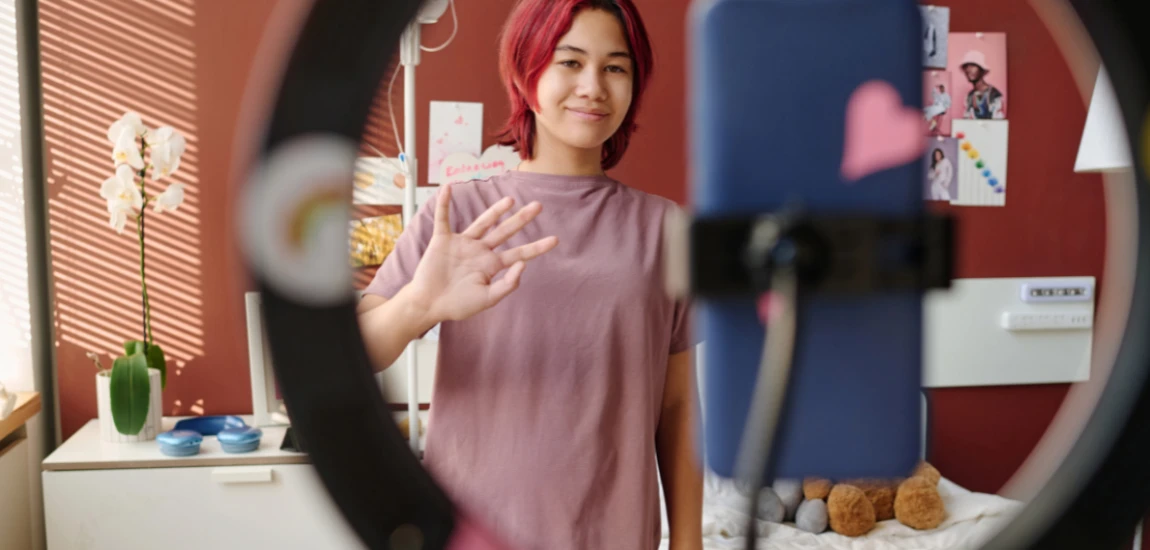
The Shift From Pre-Recorded Content to Real-Time Experiences
Over the past decade, digital culture has undergone a seismic shift. What began as a niche format on gaming platforms like Twitch has grown into a global phenomenon across industries. Today, livestreaming occupies a central role in how people consume entertainment, learn, shop, and communicate. The livestream revolution emerged because audiences wanted more than polished, pre-edited videos—they wanted immediacy, unpredictability, and authenticity. Livestreams remove the protective barriers typical of traditional media. There’s no editing, no re-takes, no carefully constructed narrative arc. Instead, viewers get raw, unfiltered, real-time engagement that feels alive in a way pre-recorded content simply cannot replicate.
Why Real-Time Content Became a Global Standard
Audiences across demographics now expect live experiences from creators, brands, and platforms. The convenience and accessibility of livestreaming—made possible by fast internet and powerful mobile devices—has made real-time engagement the norm rather than the exception. Livestream shopping, live gaming, live Q&As, live concerts, live educational sessions—every sector has adopted real-time interactivity because it fosters deeper connection and builds trust in ways pre-recorded content cannot match.
The Cultural Momentum Behind the Livestream Revolution
Livestreaming resonates deeply with Gen Z and younger millennials who value transparency, spontaneity, and community-driven content. These audiences are tired of curated perfection and crave the authenticity that comes from seeing creators respond to real-time events, technical glitches, unexpected moments, and live audience feedback. The livestream revolution isn’t just a trend—it’s a cultural shift in how people relate to creators, brands, and information. Real-time content has become the main event because it transforms passive viewers into active participants, giving them a seat inside the moment rather than watching from the outside.
Why Livestreaming Captivates Modern Audiences More Than Any Other Format

The Psychological Power of Real-Time Interaction
Livestreaming taps into fundamental human desires: connection, immediacy, and belonging. The real-time format allows audiences to engage directly with creators—asking questions, sending reactions, influencing the flow of the stream, and even shaping outcomes. This interactivity triggers a sense of presence that pre-recorded formats cannot achieve. It feels personal, exclusive, and ephemeral. Viewers experience a sense of “being there” that transforms simple content into shared memory.
The Thrill of Unpredictability and Imperfection
One of the biggest appeals of livestreaming is unpredictability. Unlike traditional videos, where everything is controlled and polished, livestreams are chaotic, surprising, and alive. Anything can happen—unexpected commentary, behind-the-scenes moments, emotional reactions, technical errors—and audiences love it because it feels real. This unpredictability creates excitement and elevates even mundane activities into enthralling entertainment. The livestream revolution proves that imperfection is not a flaw—it’s an asset.
The Rise of Co-Created Entertainment
Livestreaming breaks the invisible wall between viewer and creator. Instead of passively watching, audiences actively shape the content through comments, votes, polls, and donations. This co-creative experience makes livestreaming far more engaging than pre-produced formats. When viewers influence the direction of a livestream in real time, they feel ownership, connection, and emotional investment. This is what keeps them returning. The sense of community—built moment by moment—creates loyalty that lasts far beyond the stream itself.
The Technology Making Real-Time Content Seamless and Accessible

The Evolution of High-Speed Connectivity
The livestream revolution is rooted in technology advancements that made real-time content possible and scalable. High-speed internet, 5G networks, and improved mobile bandwidth dramatically reduced latency, making livestreams smoother and more reliable. Whether viewers are watching from their phones in a café or from their laptops at home, livestreaming no longer feels like a glitchy, low-resolution experiment. Quality has caught up with demand, which is why livestreaming now competes directly with traditional media formats.
Platforms Built for Real-Time Interactivity
Major digital platforms—from Instagram, TikTok, YouTube, Twitch, and Facebook to specialized livestream apps—have developed sophisticated features that push livestream engagement to new heights. These features include live chat, dedicated reaction buttons, on-screen digital gifting, live analytics, co-streaming, and real-time polls. Even e-commerce platforms like Amazon and Lazada have adopted livestream shopping tools that allow creators to showcase products in real time, answer questions, and drive impulse purchases.
New Innovations: AI, Virtual Production, and Interactive Tools
The next wave of the livestream revolution will be driven by AI-assisted live editing, real-time translation, dynamic overlays, AR filters, and virtual production environments. These advancements will make livestreams even more immersive and interactive. AI tools can already moderate chats, generate captions instantly, and even enhance video quality live. In the near future, creators will be able to run highly produced live broadcasts from their smartphones, making real-time content even more accessible and professional.
How Livestreaming is Transforming Entertainment, Business, and Everyday Life

Livestreaming as the New Entertainment Standard
Livestreaming is redefining entertainment itself. From gaming streams and live podcasts to concerts, performances, and behind-the-scenes footage, real-time content has become a primary form of entertainment for millions worldwide. Twitch, for example, transformed gaming into a spectator sport, turning players into entertainers and communities into digital fandoms. TikTok Live and YouTube Live have made casual livestreams part of everyday digital consumption, with creators sharing everything from morning routines to creative processes.
The Rise of Livestream Commerce
The livestream revolution is also reshaping commerce, especially in Asia. Livestream shopping merges entertainment with retail, turning product demonstrations into real-time events. Audiences can ask questions, view product tests, and receive instant deals—all while shopping through a single interface. The parasocial trust built through livestreaming leads to higher conversions because viewers feel like they are buying from a friend or trusted expert rather than a faceless brand.
Livestreaming in Education, Fitness, Politics, and Social Movements
Schools, universities, fitness trainers, activists, and public figures have embraced livestreaming for lectures, workshops, political commentary, and movement-building. Real-time content allows for open communication, immediate feedback, and global accessibility. Livestreamed protests, charity events, and community gatherings have transformed how social issues gain momentum. Real-time broadcasting provides an unfiltered lens that empowers the public and amplifies voices that might otherwise be overlooked.
Actionable Strategies for Creators and Brands to Succeed in the Livestream Era

Build Real-Time Community Engagement
The heart of livestream success is community. Creators and brands should invest heavily in real-time interaction—responding to comments, acknowledging viewers by name, asking questions, and encouraging participation. Viewers become loyal when they feel like they matter. Authentic communication beats polished presentation.
Develop a Consistent Livestream Strategy
Consistency is essential. Scheduling regular livestreams builds anticipation and keeps audiences returning. Whether weekly Q&As, daily check-ins, or monthly launch events, consistency transforms livestreams into a ritual. Creators should also analyze peak engagement times and adjust their streaming schedules accordingly.
Blend Authenticity With Light Production Effort
While audiences value rawness, they still appreciate intentional framing, clear audio, minimal distractions, and organized flow. Creators should set up good lighting, stable internet, and a structured outline—while still leaving space for spontaneity. This mixture creates a polished yet real experience that aligns with the livestream revolution’s core values.


Kate McCulley, the voice behind "Adventurous Kate," provides travel advice tailored for women. Her blog encourages safe and adventurous travel for female readers.
Kate McCulley

Prev Post
Next Post