
The Infinite Remix: Ownership in the Age of Generative Creativity
The End of Originality
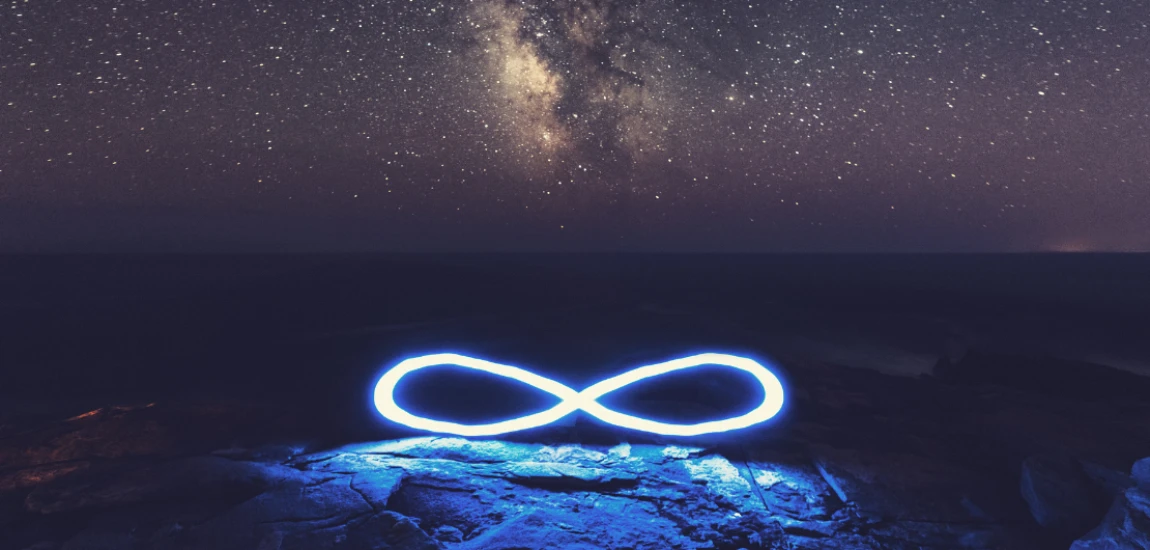
For centuries, originality was the cornerstone of artistic identity. The idea of a single genius author or creator defined how we valued art. But in the digital era, creativity has become infinitely reproducible. The remix—sampling, reusing, or reinterpreting existing material—has replaced originality as the dominant creative force.
Generative AI pushes this further. Platforms like ChatGPT, Midjourney, and Suno don’t create from scratch—they remix vast datasets of human creativity into new configurations. Every output is a statistical echo of billions of creative moments. In this infinite remix, originality becomes a process rather than a product.
Cultural Remix as a Way of Thinking
Remix culture began long before AI—with DJs, collage artists, and meme-makers who saw creativity as dialogue, not ownership. Today’s generative tools expand that philosophy to everyone, allowing users to blend art, text, and sound instantly. The remix is now our default mode of expression, reshaping how we consume and produce culture.
The Infinite Loop of Creation
In the age of generative systems, creation never stops. AI models learn from their own outputs, remixing previous generations of art in an endless cycle of inspiration. The result is a self-perpetuating creative ecosystem—a world where every idea spawns infinite variations, and the line between creator and consumer dissolves completely.
This endless remix raises profound questions: Who owns the art when creativity is shared? What does authorship mean when machines participate in imagination?
Generative Creativity and the New Aesthetic

Art That Writes Itself
Generative creativity uses algorithms to produce art autonomously. Artists no longer sculpt clay or paint canvases—they design systems that generate art. This represents a paradigm shift: instead of crafting objects, creators now craft processes.
From AI-generated paintings to procedurally composed symphonies, generative creativity transforms artists into curators of possibility. The machine becomes a collaborator—an extension of the imagination that operates beyond human limits. The result is a new aesthetic defined by unpredictability, emergence, and infinite variation.
From Control to Curation
In traditional art, creators exercise control; in generative art, they set conditions. Artists design rules, prompts, and models that shape outcomes without dictating them. This transition from author to curator of randomness changes the meaning of authorship itself. The creative act is no longer about mastery but about guidance.
AI-generated works reflect this ethos—each image or song is one of countless potential versions. The artist’s role becomes one of selection, choosing which iterations carry meaning or emotion.
The Machine’s Signature
Generative systems have their own “style”—a kind of algorithmic fingerprint. The graininess of Midjourney images, the surreal repetition in AI poetry, or the melodic patterns in neural compositions all reflect machine aesthetics. This raises the question: if the machine contributes style, is it also a co-author?
As artists and algorithms collaborate, creativity becomes a dialogue—a merging of human intention and machine intuition.
The Collapse of Authorship: Who Owns a Remix That Never Ends?

The Myth of the Singular Creator
The romantic idea of the lone genius no longer fits the generative age. Art has always been collaborative, built on collective influence, but AI makes this collaboration explicit. Every AI output draws from millions of data points—each a trace of human culture.
This creates a crisis of ownership. If AI art is generated from existing works, do those original creators deserve credit—or compensation? Copyright laws, designed for an analog world, struggle to define ownership in an environment where every creation is derived.
Legal and Ethical Gray Zones
Current copyright frameworks hinge on human authorship. But what happens when a machine generates something new from copyrighted material? Some countries argue that AI-generated works lack authorship entirely, while others propose assigning ownership to developers or users.
This ambiguity has sparked debates across creative industries. Musicians protest AI systems trained on their songs. Writers and artists file lawsuits against datasets that scrape their work. Yet, innovation thrives in the gray zone—where boundaries blur, and collaboration replaces competition.
Shared Authorship in a Collective Imagination
Generative creativity invites a new model of ownership—one based on shared authorship. In this vision, creative credit is distributed across the network: the developer who built the model, the dataset contributors, the user who prompts it, and even the AI system itself.
This collective model mirrors open-source culture, where creation is communal and iterative. Instead of ownership, value comes from participation—each remix adding another layer to the evolving cultural conversation.
Creativity as Collaboration: Humans and Machines as Co-Creators

The Shift from Tool to Partner
Historically, tools served as extensions of human intent. But AI systems are not passive—they suggest, interpret, and respond. This makes them creative partners, capable of surprising even their creators.
Artists report feeling “in dialogue” with generative systems, describing the process as improvisational. The machine becomes both muse and mirror, reflecting the user’s imagination in unexpected forms. This co-creation challenges the binary of human versus machine creativity.
The Ethics of Collaboration
As AI becomes a co-author, ethical questions emerge: Should we attribute moral responsibility to non-human systems? Can a machine’s output carry meaning or emotion, or is it merely mimicry?
Philosophically, this collaboration invites us to rethink creativity as a distributed process—a flow of energy across humans, machines, and networks. It also demands transparency: artists should disclose when AI assists in their work to preserve authenticity and trust.
Beyond Human-Centric Art
Generative creativity also opens new forms of post-human expression—art not limited by human perception. Machines can generate sounds humans can’t hear, patterns too complex for us to visualize, or structures that transcend cultural bias. This is creativity at planetary scale—a glimpse into what art might look like when freed from human ego.
The Economics of Infinite Creativity: Value in an Abundant World

The Scarcity Paradox
Art’s value has traditionally depended on scarcity—limited editions, rare originals, singular authors. But in the infinite remix, abundance becomes the norm. Anyone can generate thousands of unique artworks or songs in seconds. This abundance threatens traditional economic models of creativity.
When creative production becomes effortless, what remains valuable? Increasingly, context and curation matter more than content. The worth of a generative work lies in narrative, meaning, and community—how it’s used, not how it’s made.
Creative Economy 3.0
The next wave of the creative economy will revolve around experience and interaction rather than ownership. Platforms that allow audiences to co-create—personalizing, remixing, and evolving content—will replace static distribution. Artists will monetize through access, customization, and collective engagement instead of single ownership.
Blockchain and smart contracts may offer partial solutions by tracking lineage and usage rights for generative works. But true creative equity will require cultural shifts—valuing contribution and collaboration over possession.
The Human Premium
As automation floods the creative landscape, human creativity gains a paradoxical value: emotional authenticity. Audiences will pay not for perfection but for personality, imperfection, and story. In a world of endless AI art, the distinctly human touch—context, vulnerability, consciousness—becomes the rarest resource.


Gilbert Ott, the man behind "God Save the Points," specializes in travel deals and luxury travel. He provides expert advice on utilizing rewards and finding travel discounts.
Gilbert Ott
Prev Post
Next Post