
The Hustle Glow-Up: Productivity Porn Disguised as Self-Love
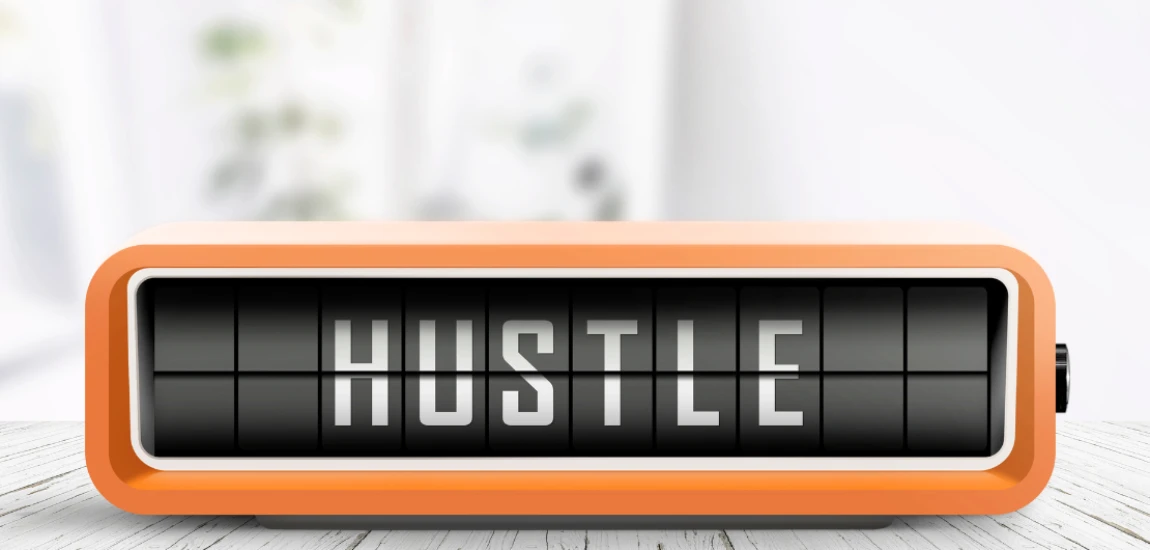
The aesthetic of effort
The internet has transformed rest, recovery, and relaxation into another competition. What used to be private acts of care—sleeping in, journaling, or taking a break—are now stylized content opportunities. On Instagram, the “soft girl” morning routine or the candlelit “Sunday reset” becomes a mini performance of self-love that feels effortless but is actually meticulously curated. Productivity and self-care have merged into a single aesthetic—the hustle glow-up—where the grind hides under a coat of calm.
The illusion of balance
The problem is that the “balance” people portray online is often anything but. Influencers and creators monetize their wellness routines while maintaining schedules that would exhaust most people. The visual language of serenity—neutrals, candles, coffee cups—is designed to suggest equilibrium, but it’s often underpinned by relentless output. In this new paradigm, rest is only acceptable if it’s productive rest—something that refuels your ability to keep working.
Hustle as identity
The hustle glow-up doesn’t just sell an idea; it manufactures identity. Productivity isn’t just what you do—it’s who you are. This constant alignment of self-worth with efficiency means that even self-love must “yield results.” Whether it’s a cleaner home, clearer skin, or a better workflow, care must produce measurable outcomes. In other words, the hustle culture didn’t die—it just got better lighting.
Productivity Porn: The Fetishization of Efficiency

The dopamine of doing
The term “productivity porn” captures our obsession with watching others optimize their lives. YouTube morning routines, “study with me” videos, and TikTok time-blocking guides offer an intoxicating promise: if you copy this system, you’ll become your best self. It’s a loop of consumption disguised as improvement—viewers feel motivated, but rarely take meaningful action beyond scrolling.
Tools that enslave instead of empower
Productivity tools—planners, apps, habit trackers—are marketed as liberating, but they often trap users in cycles of guilt and comparison. You start using Notion to “get your life together,” but soon find yourself designing dashboards for hours instead of completing tasks. These digital tools become shrines to efficiency, where aesthetics outweigh effectiveness.
The commodification of time
The hustle glow-up thrives on a deep cultural anxiety: wasted time equals wasted worth. Capitalism’s favorite myth—that you can always be better if you just try harder—finds new life in productivity aesthetics. Even leisure is monetized. Watching Netflix? Make it “Netflix and journal.” Drinking coffee? Make it part of your “morning ritual.” The line between genuine self-nurture and performative discipline blurs until they are indistinguishable.
The Myth of Self-Love in the Age of Optimization

Self-love as strategy
True self-love is unconditional, but the internet has rebranded it as conditional progress. You deserve rest after the work is done. You deserve peace if you’ve earned it. This transactional mindset frames wellness as a milestone, not a state of being. Every skincare routine, every meditation app, becomes a productivity checkpoint—proof you’re managing yourself correctly.
The soft power of marketing
Brands exploit this moralized version of care to sell products. “You deserve it” campaigns are designed not to empower but to validate consumption. Whether it’s a $70 planner or a “wellness retreat,” the underlying message is clear: if you’re burned out, you’re not trying hard enough to fix yourself. The market replaces compassion with consumption, turning emotional needs into monetizable pain points.
The guilt of not glowing up
In the hustle glow-up economy, failure to thrive feels personal. If you’re tired, disorganized, or emotionally drained, it’s not systemic—it’s self-inflicted. This mentality erases structural issues like overwork, burnout culture, and economic precarity. Instead, individuals are told to “optimize” their way out of exhaustion, creating an endless loop of effort that rarely delivers peace.
The Social Media Machine: Performing Productivity for Validation

Content as confession
Social media invites us to document our self-improvement as proof of progress. The “that girl” trend on TikTok epitomizes this—users showcase minimalism, morning workouts, green smoothies, and daily journaling as evidence of discipline and worth. The self becomes content, and care becomes a visual performance for likes, not healing.
The algorithm loves effort
Algorithms reward consistency, and productivity aesthetics thrive on it. The more you post your “5AM routines,” the more engagement you receive, reinforcing the illusion that constant activity equals success. It’s a digital ouroboros—productivity content feeds engagement, engagement fuels burnout, burnout creates more “relatable” productivity content.
Authenticity fatigue
Even “messy” authenticity—showing burnout or bad days—gets co-opted. Influencers post crying selfies or talk about “resting without guilt” in beautifully lit videos. Vulnerability becomes another form of branding. What began as a rejection of perfection turns into its own curated aesthetic, leaving audiences unsure what’s real and what’s just another content strategy.
Escaping the Hustle Glow-Up: Reclaiming Rest and Real Care

Redefine what productivity means
Reclaiming your time starts with redefining productivity. True productivity isn’t constant motion—it’s meaningful engagement. Ask yourself: does this task align with my values, or am I doing it to look accomplished? Once you separate performance from purpose, you’ll find that rest isn’t the enemy of success—it’s part of it.
Create “dead zones” for digital detox
Build intentional moments of offline silence. Turn off notifications for an hour, leave your phone in another room, or dedicate evenings to analog activities. These pauses disrupt the cycle of consumption that keeps you tethered to digital productivity cues. Real rest requires disconnection from the metrics that measure your worth.
Practice unproductive care
Not all care must yield visible results. Taking a nap, daydreaming, or simply sitting in stillness are radical acts in a system that glorifies output. Unproductive care allows the body and mind to exist without justification. It’s an act of defiance against the idea that worth must be earned through endless improvement.
Beyond the Aesthetic: Building Sustainable Well-Being

Choose substance over spectacle
The next evolution of self-love must move beyond the performative. Instead of mimicking routines from influencers, focus on what genuinely nourishes you. Maybe that’s walking, painting, or doing absolutely nothing. Real well-being isn’t about the image of calm—it’s about the feeling of it.
Cultivate community, not competition
Hustle culture isolates people under the illusion of empowerment. Shift the focus from self-optimization to shared care. Community accountability—checking in on each other’s well-being rather than output—creates a sustainable form of support that no productivity app can replicate.
The quiet revolution of enough
Ultimately, the antidote to productivity porn is the radical acceptance of enough. You don’t need to glow up to be valuable. You don’t need to optimize every moment to be worthy of rest. The quiet revolution begins when you stop equating your humanity with your output and remember that existing, not excelling, is enough.


Dave Lee runs "GoBackpacking," a blog that blends travel stories with how-to guides. He aims to inspire backpackers and offer them practical advice.
Dave Lee

Prev Post
Next Post