
The Globalization of Fandom Culture
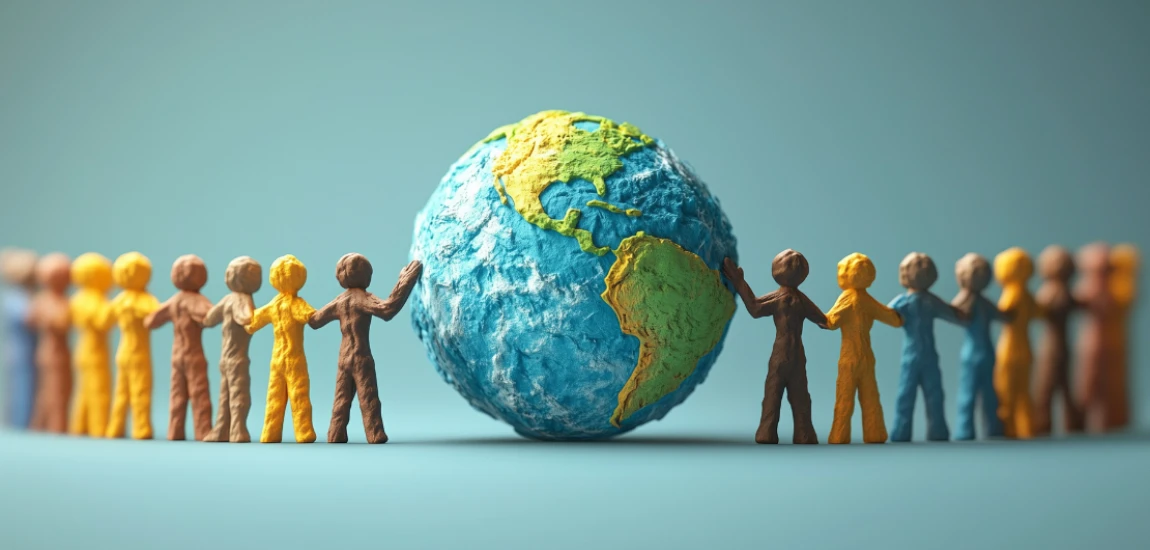
From Local Obsessions to Global Phenomena
In the pre-internet era, fandoms were localized communities—people bonded over niche magazines, local screenings, or fan conventions in their own cities. The digital revolution shattered those geographical barriers. With platforms like YouTube, Twitter, and TikTok, fans can now instantly share reactions, theories, and creations with global audiences. For example, the success of Squid Game didn’t stay confined to South Korea; it became a worldwide obsession overnight, thanks to Netflix and social media discourse.
The Role of Streaming and Social Media
Streaming services like Netflix, Spotify, and Disney+ have become cultural pipelines that move content across borders faster than ever. At the same time, social platforms like Reddit, X (formerly Twitter), and Discord host thriving fan communities that dissect every trailer, lyric, and Easter egg. These spaces foster a sense of immediacy—fans in Tokyo and Toronto experience cultural moments simultaneously, creating a shared emotional timeline.
A Shared Global Language of Fandom
What unites fans worldwide is a shared language of memes, gifs, and hashtags. The tools of digital expression have made communication across languages seamless, allowing diverse audiences to participate equally. This linguistic democratization—where visuals and emojis speak louder than words—helps fandoms grow without translation barriers. Fandom has evolved from isolated devotion into a globalized cultural dialogue.
Cross-Cultural Exchange Through Pop Media

The Korean Wave and Cultural Diplomacy
K-pop and K-dramas have become the blueprint for global fandom success. BTS, BLACKPINK, and countless other acts have transformed fan engagement into an art form, leveraging social media to connect directly with audiences worldwide. Beyond entertainment, this global fandom has also served as soft power for South Korea, boosting tourism, exports, and cultural prestige. The Korean Wave (Hallyu) illustrates how fandom can function as international diplomacy, spreading values, aesthetics, and creativity across continents.
Western Franchises and Global Reach
Hollywood blockbusters like Marvel, Star Wars, and Harry Potter have also adapted to this globalized fandom model. These franchises now tailor releases for international markets, from multilingual promotional campaigns to casting actors from diverse backgrounds. Disney and Warner Bros. rely heavily on their global fan communities for financial success and creative feedback, proving that fandoms aren’t just consumers—they’re collaborators in world-building.
Anime, Bollywood, and Beyond
Japanese anime and Indian cinema represent two more cases of cross-cultural fandom flourishing worldwide. From Attack on Titan watch parties in Latin America to Bollywood dance trends on TikTok, fans reinterpret and remix global content through local cultural lenses. These adaptations expand the meaning of the original works, turning fandom itself into a creative ecosystem that celebrates diversity while reinforcing shared emotional narratives.
Digital Communities and the New Fan Economy

The Evolution of Online Fan Spaces
Digital communities have evolved from forums and fan fiction sites into powerful ecosystems of creativity and commerce. Platforms like Wattpad, Tumblr, and Archive of Our Own (AO3) have allowed fans to become storytellers themselves, contributing new layers of narrative to beloved franchises. These online hubs are not just spaces for consumption—they’re incubators for new ideas, genres, and even professional careers.
From Hashtags to Activism
Today’s fandoms are socially conscious. Hashtag movements like #ReleaseTheSnyderCut and #FreeBritney demonstrate how fan-led activism can reshape industry decisions. When united, fans wield immense digital power, capable of influencing corporate strategies and public narratives. This participatory culture transforms passive viewership into active engagement, where fans not only consume media but co-author its direction.
The Rise of Fan-Driven Commerce
Fans are also economic powerhouses. Merchandise sales, limited-edition drops, and fan conventions contribute billions to the global entertainment economy. Crowdfunding platforms and online marketplaces empower fans to directly support their favorite creators, bypassing traditional industry gatekeepers. In a globalized fandom landscape, money follows emotion—and fandoms drive that emotional investment across borders.
Identity, Belonging, and the Psychology of Fandom

Fandom as a Digital Home
For many, fandom is not just entertainment—it’s identity. Online spaces offer belonging to people who might feel isolated in their offline communities. Whether it’s LGBTQ+ fans finding representation in media or people connecting over shared interests, fandom becomes a digital refuge where individuals can express themselves freely.
The Emotional Bonds That Transcend Geography
Fans form relationships that cross cultural and physical boundaries. A BTS fan in Argentina might collaborate with someone in Indonesia to translate lyrics or organize a global streaming event. These bonds foster empathy and global understanding, making fandom a powerful form of cultural diplomacy at a grassroots level.
The Dual Edge of Fandom Identity
However, with passionate identity comes conflict. “Fandom wars,” gatekeeping, and toxic behavior often arise from the same emotional investment that makes fandom communities thrive. The globalization of fandom means these conflicts also scale globally. Understanding this dynamic is crucial for maintaining healthy online cultures that balance passion with respect.
How Global Fandoms Are Reshaping the Entertainment Industry

Data-Driven Creativity
Entertainment companies now analyze global fan data to make creative and marketing decisions. For example, Netflix uses viewing data to determine what kinds of international shows to produce next. Similarly, music labels monitor social media trends to predict breakout artists. Fandom data has become a creative compass guiding storytelling in the age of globalization.
Collaborative World-Building
Fan feedback has reshaped how creators approach storytelling. Franchises like Star Wars and Game of Thrones have learned to listen (and sometimes over-listen) to global fan reactions. Interactive storytelling—like alternate endings, spin-offs, and fan polls—allows fans to feel part of the creative process. The line between creator and consumer continues to blur as global fandoms demand participatory experiences.
Localization and Cultural Sensitivity
With global reach comes responsibility. The entertainment industry must navigate cultural nuances carefully to resonate with diverse audiences. Companies increasingly employ cultural consultants, multilingual teams, and regional ambassadors to ensure content feels inclusive and respectful. Global fandoms demand authenticity—and audiences now have the power to hold creators accountable.
The Future of Global Fandom Culture

Virtual Reality, Metaverses, and Immersive Fandoms
The future of fandom lies in immersive digital environments. Virtual concerts, metaverse conventions, and augmented-reality storytelling are turning fan experiences into interactive journeys. Imagine attending a global fan meetup inside a virtual Hogwarts or dancing alongside avatars of your favorite K-pop stars—this future is closer than ever.
AI and Personalized Fandom Experiences
Artificial Intelligence will revolutionize how fans interact with content. AI can analyze preferences and create hyper-personalized experiences—from recommending fan fiction tailored to your favorite character pairings to generating music remixes from your favorite artist’s voice. While this technology enhances engagement, it also raises ethical questions about authenticity and creativity in fandom spaces.
Towards a More Inclusive Global Fandom
As fandom continues to expand, inclusivity will define its next phase. The globalization of fandom culture can bridge divides, foster empathy, and celebrate diversity when handled with care. Future fandoms will thrive not just on passion, but on shared respect for cultural differences and the universal joy of storytelling.


Known as "Nomadic Matt," Matthew Kepnes offers practical travel advice with a focus on budget backpacking. His blog aims to help people travel cheaper and longer.
Matthew Kepnes

Prev Post

Next Post