
The Future of Universal Performance Translators for Real-Time Cross-Culture Acting
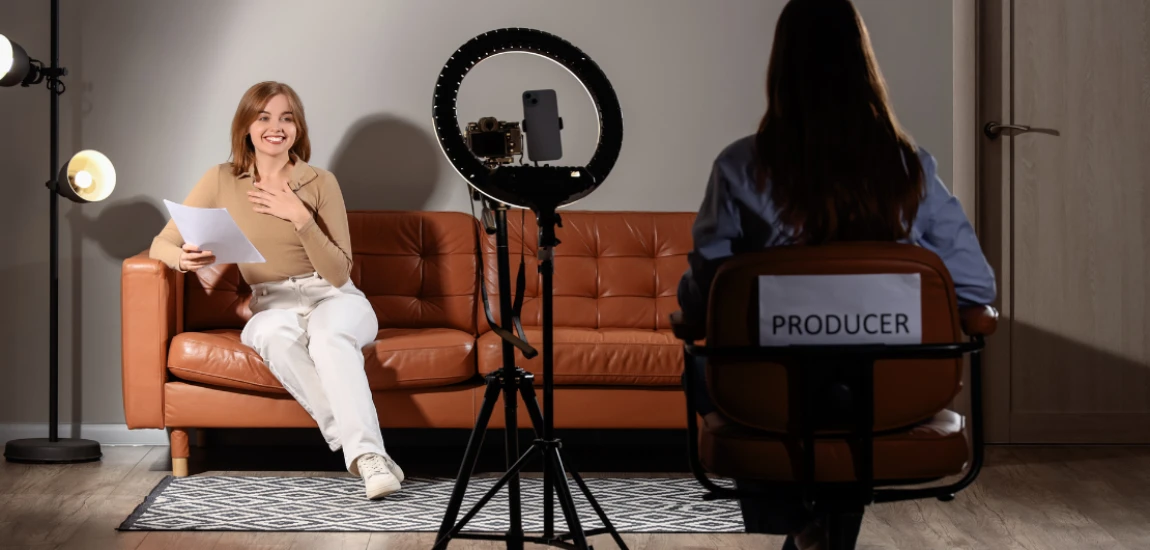
Global entertainment is entering a new era—one where actors no longer need to speak multiple languages or master complex cultural nuances to deliver performances that resonate with international audiences. Thanks to emerging Universal Performance Translators, filmmakers and creators can now generate real-time cross-cultural acting that retains an actor’s authenticity while adapting their communication to different global audiences. This technology blends advanced natural language models, motion analysis, facial tracking, cultural pattern libraries, and emotional intelligence engines. All of these components work together to transform raw performances into culturally fluent, emotionally aligned, globally accessible storytelling.
Universal Performance Translators don't simply translate words. They interpret intent, tone, subtext, physical gestures, and context-dependent cultural cues, ensuring that performances feel native to audiences without changing the actor’s essence. As the demand for globalized media grows—and as streaming platforms distribute content across dozens of languages instantly—these tools will become foundational to the future of filmmaking and entertainment industries.
Understanding What Universal Performance Translators Actually Do

Moving beyond traditional translation
Traditional dubbing, subtitles, and even AI voice cloning focus primarily on verbal language. Universal Performance Translators go far beyond this by capturing the meaning behind the dialogue. They analyze the actor’s emotional delivery—voice cracks, breath cadence, facial tension, micro-expressions—and generate a localized performance that feels natural in another culture.
Adapting cultural gestures and nonverbal cues
Different cultures express emotion through unique gesture systems, which Universal Performance Translators decode and reinterpret. A gesture conveying respect in one culture may appear rude or neutral in another. The translator’s motion AI adjusts hand movements, facial expressions, and posture to match culturally appropriate signaling while preserving emotional integrity.
Synchronizing multilingual lip movements and expressions
Advanced facial synthesis allows the translator to reconstruct lip-sync, jaw movement, and facial animation to match a new language perfectly. This eliminates the jarring effect common in dubbed media, replacing it with near-flawless realism where the actor appears to naturally speak the translated lines.
Ultimately, these tools create a seamless blend of cultural fluency and artistic authenticity, enabling content to travel effortlessly across borders.
How Real-Time Cross-Culture Acting Works Behind the Scenes

High-resolution emotion capture systems
Universal Performance Translators begin by capturing the full emotional spectrum of the actor’s performance—micromovements, vocal tension, breathing tempo, and expressive rhythms. The AI analyzes these patterns and maps them to emotional equivalents in the target cultural context.
Instant language and script adaptation
Instead of simple translation, the system generates a culturally relevant script that matches narrative intentions. For example, humor, idioms, honorific levels, and metaphorical expressions are all adjusted to resonate naturally within the target audience’s linguistic norms.
Neural rendering for face, voice, and performance synthesis
Once the system knows what the translated performance should look and sound like, neural rendering engines reconstruct the actor’s mouth movements, body language, and vocal cadences in real time. This allows the actor to appear as if they’re fluently delivering a performance tailored to each specific culture.
Behind the scenes, this process involves dozens of AI layers working in harmony, but to filmmakers, it feels as simple as turning on a real-time creative assistant.
Creative Benefits for Global Filmmaking and TV Production

Expanding casting possibilities across languages
With Universal Performance Translators, casting directors can choose actors based on talent, presence, or character alignment—not language fluency. This opens doors for performers to take on roles in foreign-language productions without intensive language training.
Reducing time-consuming reshoots and ADR
Actors no longer need to re-record dialogue or learn new lines when localization demands change. The translator system updates performance outputs instantly, making post-production far more efficient.
Ensuring consistent emotional tone across versions
Localization often alters the emotional resonance of scenes. With real-time cross-cultural acting, filmmakers can review translated performances instantly and adjust emotional tone to ensure consistency across all localized versions.
Creatively, Universal Performance Translators usher in a world where international collaboration is not only easier but also more artistically faithful.
Impact on Global Streaming, Gaming, and Immersive Media

Personalized performance localization for global streamers
Streaming platforms can offer viewers a version of a performance that feels native to their cultural context. Instead of generic dubbed versions, viewers experience performances that feel authentically delivered by the original actor.
Dynamic adaptation for interactive games
In narrative games, NPCs and main characters can deliver performances tailored to the player’s language and cultural expectations. Emotional pacing, gestures, and intonation adjust in real time based on who is playing.
Immersive realism for VR and AR storytelling
In VR experiences, Universal Performance Translators ensure every character interaction feels natural, regardless of the user’s cultural background. This creates deeply personalized yet globally cohesive immersive storytelling.
This technology strengthens the global storytelling ecosystem by eliminating cultural friction that often holds back international success.


Anil Polat, behind the blog "FoxNomad," combines technology and travel. A computer security engineer by profession, he focuses on the tech aspects of travel.
Anil Polat

Prev Post

Next Post