
The Future of AI-Driven Prop Generators That Materialize Set Assets On-Demand
What AI-Driven Prop Generators Actually Do
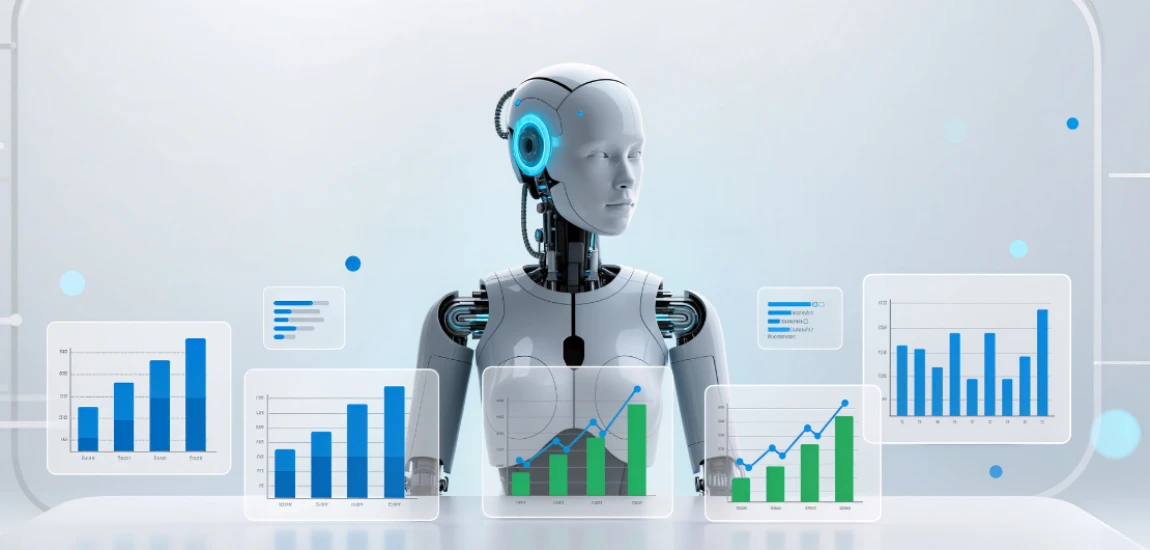
AI-driven prop generators are emerging as one of the most disruptive tools in production design. They combine advanced machine learning, real-time rendering engines, and robotic fabrication systems to create props and set pieces on-demand. Instead of waiting weeks for manual builds, filmmakers can request an item verbally or through a digital prompt—such as “create a weathered 18th-century captain’s compass”—and the system automatically produces a physical or digital version. This shifts creative work from slow, labor-intensive processes to lightning-fast creation pipelines.
Why Productions Are Moving Toward Automated Prop Creation
Modern productions require speed, variation, and versatility. With shorter deadlines, shrinking budgets, and global content demand, studios need tools that eliminate bottlenecks. AI-driven prop generators support rapid ideation and instant changes, enabling productions to pivot quickly if directors or showrunners want different looks or styles. This adaptability reduces downtime, improves creative control, and opens the door to more experimental designs. The ability to generate multiple versions of a prop in minutes also allows teams to test visual options before committing to a final direction.
How AI Automation Aligns with Industry Trends
The entertainment industry’s shift toward virtual production, on-device generative FX, and real-time interactive workflows has created a perfect ecosystem for AI prop generation technology. As productions move from traditional sets to hybrid physical-digital environments, AI-powered tools become more valuable. These systems also align with sustainability goals—reducing waste, cutting transportation costs, and enabling studios to reuse digital blueprints instead of repeatedly building new props from scratch.
How On-Demand Set Asset Materialization Works Behind the Scenes

The Role of Generative Models and Training Data
The core engine behind AI-driven prop generators is a suite of generative models trained on vast datasets of materials, shapes, historical objects, textures, and manufacturing techniques. These models are capable of synthesizing new prop ideas or re-creating historical items with extreme accuracy. When a user inputs a prompt, the model interprets it, predicts optimal structural layouts, and models the asset in real-time. Layers of neural networks analyze physics, durability, and design patterns to ensure each prop is functional and production-ready.
From Digital Blueprint to Physical Fabrication
Once the AI model generates the design, fabrication systems take over. This often involves robotic 3D printers, CNC machines, laser cutters, or multi-material construction units. These robotic tools receive instructions directly from AI-generated blueprints, creating seamless transitions from concept to object. For props that require texture realism—such as rusted metal or worn leather—specialized surface treatment robots apply detailed finishes. The result is a final prop that looks handcrafted but was produced in minutes or hours rather than days or weeks.
Hybrid Output: Digital + Physical Asset Integration
One of the most powerful features of AI-driven prop generators is their dual-output capability. Productions can generate props for physical sets as well as virtual assets for CGI, XR stages, or VR environments. This ensures consistency across filming mediums. For example, a sword used by an actor on set may also exist as a perfectly matched digital twin used in visual effects shots or interactive sequences. This hybrid pipeline reduces post-production time and maintains visual continuity across the entire project.
Benefits of AI-Driven Prop Generators for Filmmakers and Stage Designers

Faster Production Cycles and Reduced Downtime
The traditional prop creation workflow involves concept sketches, approvals, prototyping, manual fabrication, and revision cycles. AI automation condenses weeks of effort into hours. Directors can request changes mid-shoot and receive new set pieces the same day. The elimination of long fabrication queues accelerates production timelines and minimizes schedule delays—an advantage particularly valuable for TV shows and streaming content with tight deadlines.
Cost Savings and Budget Optimization
AI-driven prop generators significantly reduce labor hours, material waste, and transportation costs. Productions no longer need large warehouses filled with stored props, nor do they need to outsource fabrication to multiple vendors. Because AI can optimize materials and propose low-cost alternatives that still meet visual requirements, studios can produce high-quality results without overspending. This democratizes high-end production design for independent filmmakers and students who previously lacked access to large fabrication budgets.
Creative Freedom and Infinite Design Possibilities
Human teams are limited by time and physical capacity. AI systems, however, can generate dozens of variations instantly. This enables filmmakers to explore more ambitious or experimental aesthetics without incurring additional time or cost. Whether it’s crafting fully original sci-fi gadgets or historically accurate replicas, AI removes creative constraints and encourages bold visual storytelling. Props can be morphed, resized, retextured, or remixed until they perfectly match the director’s vision.
Real-World Applications in Film, TV, Theater, and Virtual Production

Film and Television Set Design Enhancement
Blockbuster films and episodic series are increasingly using AI tools to generate on-demand props that support both practical and VFX scenes. Fantasy and sci-fi genres benefit the most, as AI can create intricate shapes or impossible materials that would take artisans months to build. Period pieces also gain accuracy from AI systems trained on historical data, ensuring precise replication of objects from any era.
Theater and Live Performance Innovation
Theatre productions, which often struggle with limited budgets and rapid turnaround schedules, stand to gain significant benefits from on-demand prop generation. AI systems can create lightweight, easily transportable props that fit touring shows. Directors can update set pieces during rehearsals, enabling more dynamic creative development. AI-generated props also reduce storage needs for companies that regularly reuse assets across multiple shows.
Virtual Production, Gaming, and Immersive Experiences
In virtual production environments such as LED stages, AI-driven generators can create digital set assets on-the-fly. This allows teams to instantly modify backgrounds, environmental details, or interactive objects. In gaming and VR design, AI can produce in-game props that perfectly match physical sets, enabling deeper cross-platform storytelling and seamless hybrid worlds.
Challenges, Limitations, and Ethical Considerations

Balancing Automation with Human Craftsmanship
While AI-driven prop generators increase efficiency, they also raise concerns about the diminishing role of human artisans. Craft departments worry that automation may replace skilled labor. Instead of fully replacing craftsmen, studios must adapt by integrating human oversight—allowing artisans to focus on high-detail work and creative direction while AI handles repetitive tasks. This hybrid approach ensures quality without sacrificing craftsmanship.
Data Bias and Historically Accurate Prop Creation
Generative models depend heavily on training data. If datasets skew toward certain regions, eras, or styles, the AI may misrepresent cultural or historical details. This becomes a major concern for productions focused on authenticity. Ethical implementation requires diversifying datasets and incorporating expert review to ensure props are culturally sensitive and accurate.
Environmental and Material Sustainability Issues
Although AI can reduce waste, fabrication materials still carry environmental costs. Large-scale robotic printing uses plastics, resins, and composites that must be managed responsibly. Companies developing prop generators need to prioritize eco-friendly materials, optimized recycling workflows, and energy-efficient machinery.
What the Future Holds for AI-Driven Prop Generation Technologies

Fully Autonomous Set Construction Systems
The next generation of AI-driven prop generators will extend beyond individual items to full-scale set construction. Imagine automated systems capable of designing and building entire rooms, landscapes, or structures with minimal human input. This shift could completely reshape how studios approach production design, allowing them to generate entire worlds on-demand.
AI-Integrated Previs and Real-Time Collaboration
Future prop generators will merge with previsualization tools, enabling directors, designers, and VFX teams to collaborate in real-time. They’ll be able to generate props during brainstorming sessions, test them within virtual sets, and instantly fabricate approved versions. This end-to-end pipeline will streamline communication across all departments.
Consumer-Level Creative Tools and Indie Filmmaker Access
As the technology becomes more affordable, indie creators will access tools once reserved for major studios. DIY filmmakers, YouTubers, educators, and theater groups could generate high-quality props using compact AI fabrication kits. This democratization of production design will expand global storytelling and fuel innovation across creative industries.


Shivya Nath authors "The Shooting Star," a blog that covers responsible and off-the-beaten-path travel. She writes about sustainable tourism and community-based experiences.
Shivya Nath

Prev Post
Next Post