
The Creator Economy: How Influencers Are Redefining Entertainment
From Traditional Media to Decentralized Creativity
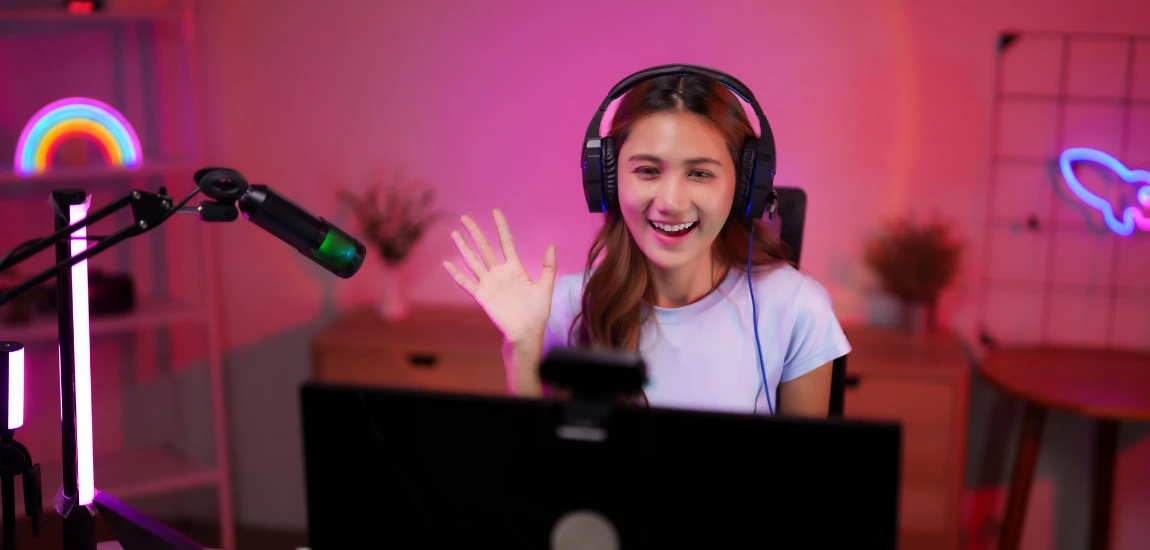
For most of the 20th century, entertainment was controlled by gatekeepers—Hollywood studios, record labels, and TV networks. They decided who became famous, what got produced, and how stories were told. But the internet changed everything. Platforms like YouTube, Instagram, and TikTok gave individuals the power to create and share content globally, no permission required. This marked the birth of the creator economy, a digital ecosystem where creators monetize their creativity directly through audiences, rather than relying on traditional intermediaries.
The Power of Accessibility
What makes the creator economy so revolutionary is its accessibility. Anyone with a smartphone can record, edit, and publish content instantly. Influencers like Charli D’Amelio, MrBeast, and Emma Chamberlain built empires from their bedrooms, proving that authenticity often trumps production budgets. The democratization of creativity means more voices, more diversity, and more niche communities—audiences can now find creators who truly reflect their interests and values.
Economic Impact and Scale
Today, the creator economy is worth over $250 billion globally and continues to grow. Platforms such as Patreon, Substack, and Twitch enable creators to monetize directly through subscriptions, tips, and sponsorships. This shift has transformed entertainment into a participatory economy—where fans are not just viewers but investors, collaborators, and even co-creators. The power dynamic between audience and artist has fundamentally changed.
How Influencers Became the New Celebrities

The Authenticity Advantage
Unlike traditional celebrities, influencers often build their brand around relatability and transparency. Fans don’t just follow them for entertainment—they follow them for connection. Influencers share their personal lives, struggles, and behind-the-scenes moments, creating parasocial relationships that feel intimate and genuine. This emotional proximity fosters loyalty, making influencer audiences more engaged and responsive than those of traditional stars.
The Evolution of Fame
The concept of fame has evolved from being exclusive to being attainable. While Hollywood once required casting calls and contracts, influencers gain recognition through algorithms and audience engagement. A viral video or meme can launch a career overnight. Yet this new form of fame comes with new pressures—constant content creation, brand management, and the risk of burnout. The line between personal life and public persona is often blurred.
The Global Reach of Micro-Influencers
Not all influencers have millions of followers. Micro-influencers—creators with smaller but highly engaged audiences—are increasingly valuable to brands. Their authenticity drives trust and higher conversion rates. In markets like fashion, fitness, and gaming, micro-creators have become essential cultural ambassadors, influencing trends from the ground up rather than the top down. They are reshaping the very idea of what it means to be a public figure in the digital age.
Platforms That Built the Modern Creator Economy

YouTube: The Original Launchpad
YouTube remains the cornerstone of digital content creation. Since its launch in 2005, it has empowered millions of creators to build careers through ad revenue, sponsorships, and memberships. Creators like PewDiePie and Lilly Singh transformed personal vlogs into global entertainment franchises. YouTube’s long-form format encourages storytelling, education, and personality-driven content that builds deep viewer engagement over time.
TikTok and the Short-Form Revolution
TikTok has redefined how entertainment is consumed. Its short-form, algorithm-driven feed promotes instant virality and accessibility. Users can shoot, edit, and publish in minutes, making it an ideal platform for creative experimentation. The app’s design encourages trends, challenges, and remixes—creating a culture of collaboration where users continuously build on each other’s content. TikTok isn’t just an entertainment platform—it’s a global incubator of creativity.
Twitch, Instagram, and Beyond
Live-streaming platforms like Twitch and Kick have introduced real-time interactivity, allowing creators to engage with audiences instantaneously. Meanwhile, Instagram and Snapchat Stories have normalized the concept of daily digital storytelling. Each platform has carved its niche—Twitch dominates gaming, Instagram fuels lifestyle content, and TikTok drives viral culture. Together, they form a dynamic web of ecosystems that sustain the creator economy across genres and formats.
The Business of Influence: Monetization and Branding

Multiple Revenue Streams
In the creator economy, income diversification is key. Influencers earn through brand sponsorships, affiliate marketing, merchandise, and subscription platforms like Patreon or OnlyFans. Many creators also expand into entrepreneurship, launching clothing lines, skincare brands, or even production companies. For example, YouTuber Emma Chamberlain transformed her online persona into a thriving coffee brand, while MrBeast launched one of the fastest-growing fast-food franchises, MrBeast Burger.
Building a Personal Brand
Successful creators understand that their content is just one piece of their identity. They invest in brand strategy—defining tone, aesthetics, and messaging to attract loyal audiences. Consistency across platforms is crucial. A strong personal brand not only attracts followers but also commands higher rates from advertisers. In the creator economy, authenticity is currency, and trust is the foundation of every transaction.
The Role of Agencies and Creator Platforms
As the industry matures, agencies specializing in influencer management and digital marketing have emerged. These agencies help creators negotiate contracts, manage partnerships, and expand their revenue streams. Platforms like Collabstr, AspireIQ, and Influencer.co connect brands directly with creators, streamlining the monetization process. What used to be a casual hobby is now a full-fledged profession—complete with analytics, negotiations, and long-term career planning.
How Influencers Are Reshaping Entertainment Itself

From Social Media to Mainstream Media
Influencers are increasingly crossing over into traditional entertainment. Stars like Addison Rae and KSI have launched music and film careers, while YouTubers like Marques Brownlee appear in mainstream interviews and panels. This convergence signals a shift—where digital creators aren’t just internet-famous; they’re redefining celebrity culture across all media.
Redefining Storytelling and Format
Traditional entertainment often followed rigid structures: 30-minute sitcoms, 3-minute pop songs, 2-hour films. Influencers shattered those norms. They blend genres—mixing vlogs with documentaries, comedy with education, and fiction with reality. The storytelling format has become fluid and interactive. Viewers can comment, react, and influence the narrative in real time, blurring the line between audience and creator.
Audience as Collaborator
Today’s entertainment is co-created. Fans don’t just watch; they participate—through comments, duets, remixes, or donations. Platforms like TikTok and YouTube Shorts thrive on user-generated collaboration, making audiences feel like part of the creative process. This participatory model fosters stronger loyalty and makes entertainment a shared experience rather than a one-way broadcast.


Anil Polat, behind the blog "FoxNomad," combines technology and travel. A computer security engineer by profession, he focuses on the tech aspects of travel.
Anil Polat
Prev Post

Next Post