
The Aestheticization of Suffering: Sad Girl Internet and Melancholy as Brand
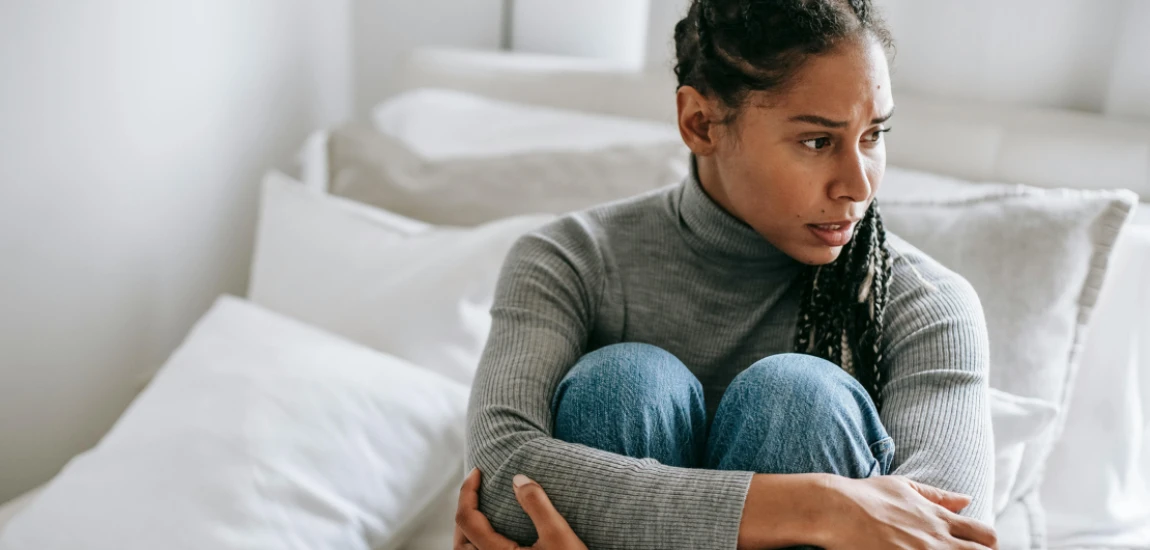
The internet loves an emotion it can package. In the age of filters and performance, sadness—once a private, unmarketable feeling—has become a cultural currency. From muted photo filters and tear-streaked selfies to “sad girl” playlists and poetic captions about heartbreak, melancholy has evolved into a digital brand. It’s no longer just something we feel; it’s something we curate, style, and sell.
This blog explores the aestheticization of suffering—how the “Sad Girl Internet” transformed vulnerability into visual language, marketing strategy, and community identity. It unpacks the psychology behind sharing pain publicly, the commercialization of emotion, and what happens when sadness becomes an aesthetic choice rather than an experience to heal from.
From Confession to Curation: The Birth of the Sad Girl Internet

The Rise of the Digital Confessional
Once, diaries were hidden under pillows. Now, they live online—public, performative, and algorithmically rewarded. Platforms like Tumblr and early Instagram offered young women a space to express emotional depth and fragility, creating a counterculture against polished perfection. What began as raw self-expression evolved into a recognizable aesthetic: grainy filters, soft lighting, existential captions, and a detached kind of beauty in despair.
Melancholy as Counter-Narrative
In an online world obsessed with productivity, self-improvement, and positivity, sadness became rebellion. The “sad girl” aesthetic offered a subtle resistance to the toxic optimism of influencer culture. Posting about pain became a way to assert emotional honesty, a protest against the constant demand to appear “fine.”
The Role of Visual Platforms
The visual nature of social media amplified this transformation. Tumblr moodboards, Instagram grids, and Pinterest boards turned emotion into imagery. Suffering became stylized through fashion, music, and photography—a language of nostalgia, loneliness, and aesthetic melancholy that spoke to millions of users craving authenticity in a hyper-curated digital space.
The Feminization of Melancholy: Why Sadness Became a Gendered Aesthetic

The “Sad Girl” Archetype
The “Sad Girl” is both muse and myth. She’s poetic, misunderstood, and stylishly fragile—a figure seen in pop culture icons like Lana Del Rey, Fiona Apple, and Mitski. Online, she manifests as a blend of vulnerability and performance, embodying the tension between being seen and misunderstood. This aestheticized sadness becomes gendered—a form of emotional labor expected and consumed through a feminine lens.
Performing Vulnerability
Women are often socially conditioned to express emotion in ways that are palatable or beautiful. The Sad Girl Internet reinforces this expectation: to be emotional, but aesthetically pleasing; to hurt, but photogenically. It blurs the line between empowerment and exploitation—between self-expression and self-commodification.
Melancholy as Soft Power
Paradoxically, the Sad Girl’s vulnerability gives her influence. Her sadness becomes a statement of depth in a shallow culture, a form of quiet rebellion against the glossy, girlboss ideal. Yet this same vulnerability is monetized—by brands selling “depressed chic” fashion or influencers turning pain into engagement. In digital culture, even resistance can be rebranded.
When Emotion Becomes Content: The Marketization of Melancholy

The Algorithm Loves Emotion
Algorithms thrive on engagement, and emotion drives engagement. Posts expressing vulnerability or sadness often outperform neutral content because they elicit empathy, curiosity, and shares. This has turned emotional pain into one of the internet’s most valuable commodities.
Influencers of the In-Between
Creators who embody the “sad girl” aesthetic walk a fine line between authenticity and performance. Their content—sad playlists, melancholic captions, tearful vlogs—blends sincerity with strategy. Followers connect with the rawness, but the consistency of the aesthetic raises questions: when does honesty become branding?
Brands Selling Sadness
Corporations have caught on. Fashion labels market “soft sadness” through oversized sweaters and desaturated lookbooks. Streaming platforms curate “melancholy moods” playlists. Even skincare and fragrance brands lean into vulnerability, encouraging consumers to “romanticize their sadness.” In the digital marketplace, melancholy sells—and sincerity becomes strategy.
The Psychology of Public Pain: Why We Perform Sadness Online

Validation Through Visibility
The act of sharing pain publicly often stems from the desire for connection. Posting sadness can feel like reclaiming agency—transforming private suffering into shared language. Validation from likes, comments, or DMs offers temporary relief, a sense that one’s emotions are seen and understood.
The Comfort of Collective Loneliness
The Sad Girl Internet thrives on shared melancholy. Through hashtags, aesthetics, and mutual recognition, users find solidarity in sadness. It becomes a community of people who feel too much in a world that moves too fast. Ironically, this collective loneliness can feel comforting—proof that isolation itself can be communal.
The Risk of Emotional Commodification
However, constant performance of pain can distort self-perception. When sadness becomes tied to online identity, healing feels like losing relevance. The algorithm rewards vulnerability, but not recovery. This dynamic traps users in emotional loops, where sadness must be maintained to remain visible.
Melancholy as Cultural Mirror: What Sadness Says About the Internet Age

The Age of Ambient Despair
The Sad Girl Internet is a reflection of broader cultural malaise—economic precarity, climate anxiety, and digital burnout. Sadness becomes not just personal, but collective. The aestheticization of suffering mirrors an era where despair feels ambient, inescapable, and strangely aestheticized.
From Irony to Intimacy
What began as ironic—posting a crying selfie or melancholic quote—has evolved into sincere digital intimacy. The line between performance and authenticity has blurred, creating a culture where the two coexist. Users are both actors and audience, curating pain as both art and confession.
Critique or Coping Mechanism?
Some see the Sad Girl aesthetic as a critique of patriarchal and capitalist expectations. Others see it as escapism—a way to cope with a culture that profits from emotional expression. Whether resistance or resignation, its popularity reveals how deeply digital culture has intertwined emotion with performance.
Beyond the Aesthetic: Reclaiming Authentic Emotion in the Digital Age

Redefining Digital Vulnerability
True vulnerability isn’t aesthetic—it’s uncomfortable, unfiltered, and often unseen. Reclaiming emotional authenticity online means breaking free from algorithmic validation. Sharing should be for connection, not performance. That may mean posting less, or sharing privately, to rediscover what emotion feels like without an audience.
Creating Spaces for Healing
Online communities don’t have to revolve around performative sadness. Spaces for healing—digital journals, private group chats, or offline creative practices—can transform melancholy into growth rather than spectacle. Sadness shared with empathy, not aesthetic intent, fosters genuine connection.
From Branding to Being
The antidote to the aestheticization of suffering is presence. When we stop curating our emotions for approval, we rediscover the freedom to feel without packaging pain. Sadness, like any emotion, deserves to exist without optimization. The goal isn’t to stop being sad—it’s to stop performing it.


Shivya Nath authors "The Shooting Star," a blog that covers responsible and off-the-beaten-path travel. She writes about sustainable tourism and community-based experiences.
Shivya Nath

Prev Post
Next Post