
Signal-Born Universes: Fictional Worlds Generated From Cosmic Noise and Electromagnetic Da
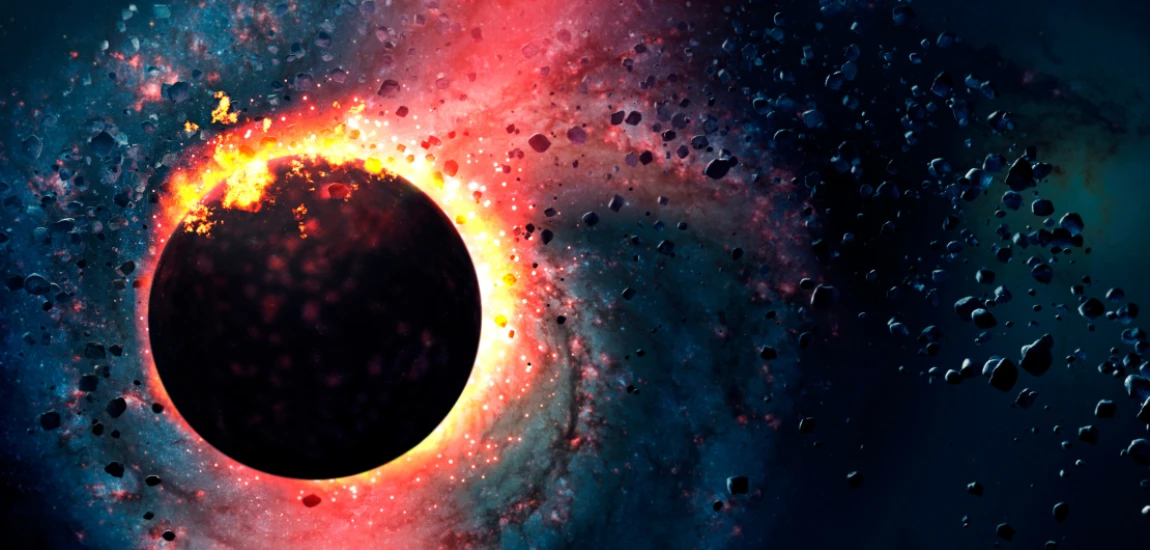
For decades, science fiction has imagined alternate realities, parallel dimensions, and cosmic realms influenced by mysterious universal forces. But a new frontier in speculative storytelling is emerging—Signal-Born Universes, where fictional worlds are literally generated from real cosmic noise, electromagnetic patterns, and astronomical data streams. Instead of starting with a blank canvas, creators build narratives on the chaotic textures of the universe itself.
Imagine a story whose geography, history, and physics shift according to the latest solar flare spikes. Or a fantasy realm shaped by deep-space radio bursts picked up by Earth-based telescopes. These Signal-Born Universes evolve organically from actual signals traveling across cosmic distances, turning the invisible language of the universe into tangible story ecosystems.
This fusion of astrophysics, procedural generation, and narrative architecture is reshaping how creators design fictional worlds—and opening possibilities for stories that are alive, unpredictable, and deeply connected to the cosmos.
What Are Signal-Born Universes? Transforming Cosmic Noise Into Narrative Landscapes

How cosmic noise becomes creative raw material
Cosmic noise—radiation, static, microwave echoes, and electromagnetic hums—has long been considered background clutter. But to storytellers exploring Signal-Born Universes, this “noise” is actually fertile creative soil. They convert signal fluctuations into algorithms that define weather systems, population migrations, planetary shifts, or mythological events. Raw cosmic patterns become the DNA of fictional worlds.
From astrophysics to worldbuilding
Every cosmic signal carries some form of structure, whether periodic pulses, fluctuating frequencies, or random bursts. Writers and digital artists translate these structures into narrative rules: for example, a low-frequency hum might map to tectonic movement, while gamma-ray spikes could create magical storms within the story. This method allows for infinitely regenerating universes that behave like natural systems shaped by cosmic forces rather than human logic.
Narratives that adapt as the universe changes
Perhaps the most compelling part of Signal-Born Universes is that they evolve in real time. As new signals arrive from pulsars, quasars, or solar winds, story elements shift. Characters may awaken with new memories. Cities might transform overnight. Entire civilizations could rise or fall depending on cosmic fluctuations. Each reader or participant experiences a world shaped by the universe’s latest whispers.
The Science Behind Electromagnetic Data as Narrative Infrastructure

Electromagnetic signatures as worldbuilding frameworks
Electromagnetic data—from infrared waves to ultraviolet radiation—is structured, patterned, and full of information. When processed through generative engines, these patterns can shape everything from landscape morphology to cultural symbolism. For instance, the rhythm of a pulsar could determine the cyclical nature of a fictional society’s rituals or festivals.
Frequency mapping and symbolic resonance
Different wavelengths naturally evoke different moods, textures, and narrative possibilities. Low-frequency signals might generate dark, dense environments, while high-frequency spikes could birth crystalline cities or hyper-advanced species. By aligning emotional tone with signal frequency, creators produce worlds that feel synchronized with cosmic rhythm.
The role of quantum noise and randomness
Quantum noise introduces controlled unpredictability into Signal-Born Universes. Because quantum fluctuations are inherently chaotic, they help produce events that feel surprising yet organic. This allows for emergent storytelling—plotlines that develop without direct human authorship, shaped instead by the unpredictable physics of the cosmos.
Building Signal-Born Worlds: Techniques, Tools, and Creative Frameworks

Procedural generation powered by cosmic input
Worldbuilding engines in this genre often rely on AI-driven procedural systems that convert signal patterns into terrain maps, weather cycles, or socio-political dynamics. Cosmic data becomes a living input stream that continuously reshapes the world’s structure. This creates landscapes that evolve like natural environments, not static backdrops.
Cosmic narrative triggers and event systems
Creators can design specific narrative events that activate based on signal characteristics. A sudden solar flare surge could create a prophecy event, awakening dormant gods or altering magical laws. A burst of cosmic microwave background distortion might rewrite history within the story, forcing characters to adapt to shifting realities.
Sensory immersion and cosmic aesthetics
Signal-Born Universes often incorporate visualizations of electromagnetic data—waveforms, particle trails, spectral gradients—into their aesthetic language. These visuals inspire architecture, fashion, art, and myth within the story, giving the world a distinctive cosmic identity. Characters may wear clothing patterned after pulsar maps or build temples shaped like radio-wave spirals.
The Role of Real-Time Cosmic Events in Shaping Story Evolution

Narratives influenced by astronomical observatories
Some creators link their Signal-Born Universes directly to live observatory feeds. As new signals from deep space are detected, the story adapts on the fly. If a new fast radio burst (FRB) is discovered, it might introduce a new faction, species, or cataclysm. This allows for ongoing story evolution parallel to real astrophysical discoveries.
Solar activity as emotional and atmospheric texture
Solar storms, flare cycles, and magnetic field shifts all produce electromagnetic patterns that affect the tone and energy of a Signal-Born Universe. Characters may feel agitated during high-energy cosmic events or experience strange visions as the world temporarily destabilizes. Readers can sense cosmic tension even before plot events unfold.
Cosmic calendars and narrative rhythms
Creators often design “signal calendars”—story progression systems based on astrophysical cycles. The phases of a pulsar, the orbit of a distant exoplanet, or the decay of a cosmic particle stream all become part of the narrative’s temporal structure. This gives the world a sense of cosmological coherence and mystique.
Cultural, Philosophical, and Mythic Dimensions of Signal-Born Universes

New mythologies born from data
Signal-Born Universes generate entire mythologies from cosmic noise. Cultures within the story may worship radio bursts as divine messages or interpret microwave background fluctuations as ancestral memories. Over time, these data-pattern mythologies evolve just like real cultures evolve through interpreting natural phenomena.
The philosophy of cosmic authorship
These universes challenge traditional ideas of authorship. If cosmic signals shape the world, who is the creator—humans or the universe itself? This philosophical tension adds depth to Signal-Born fiction, suggesting that stories are not crafted but discovered in the data streams woven into the cosmos.
Rituals, cultures, and cosmological identity
Societies within these worlds form identities around the signals that birthed them. A civilization might be defined by a repeating radio pulse, creating rituals timed to its arrival. Another might originate from a chaotic noise burst, becoming a culture obsessed with randomness and transformation.
The Future of Signal-Born Universes: Potential, Challenges, and Ethical Questions

Expanding storytelling beyond human imagination
Signal-Born Universes push narratives beyond human constraints. Because they’re shaped by cosmic data, they often feel more expansive, mysterious, and alive. This could revolutionize genres like space opera, cosmic fantasy, and sci-fi mythology, offering unprecedented complexity and scale.
Technical and creative challenges
Integrating electromagnetic data requires sophisticated tools and a deep understanding of both science and narrative structure. Balancing randomness with coherence is another challenge—too much unpredictability and the story becomes unreadable; too little and the cosmic inputs feel irrelevant.
Ethical questions and cosmic responsibility
As these universes become more interactive, creators must consider ownership of data-driven worlds. If stories are shaped by real cosmic signals, do they belong to the creator, the community, or the universe itself? Ethical frameworks will be essential as Signal-Born storytelling expands.


Gilbert Ott, the man behind "God Save the Points," specializes in travel deals and luxury travel. He provides expert advice on utilizing rewards and finding travel discounts.
Gilbert Ott

Prev Post
Next Post