
Scroll to Heal: The Rise of Pop Psychology and Therapist Influencers
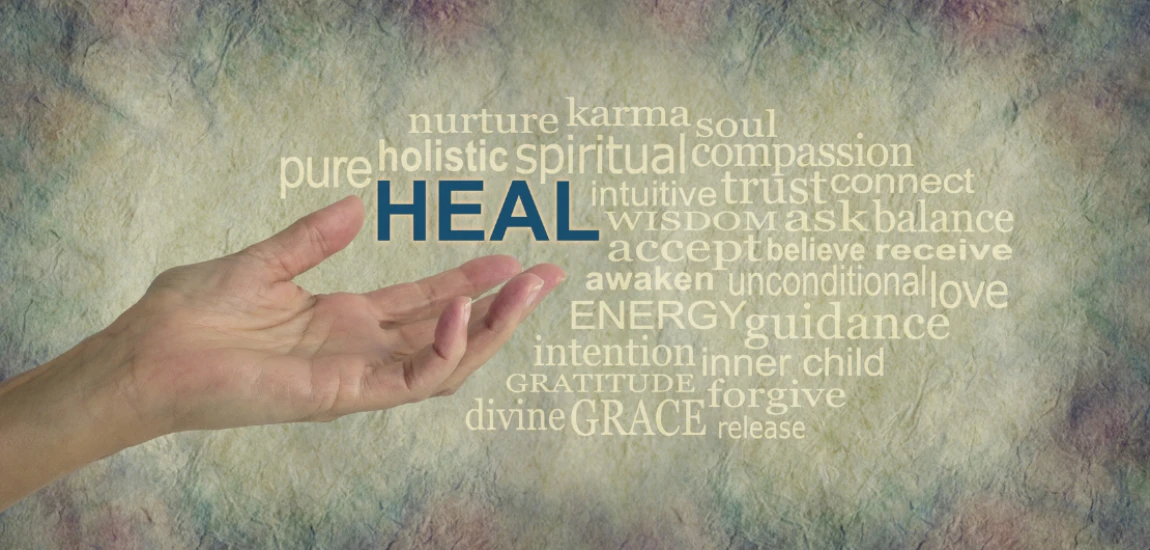
In a world where burnout is chronic and self-care is content, therapy has gone digital. Once confined to private offices and long waiting lists, mental health conversations now thrive on screens. From TikTok snippets diagnosing “attachment styles” to Instagram reels offering quick fixes for anxiety, therapy-speak has become part of our daily language. We don’t just seek therapy—we scroll for it.
The Normalization of Therapy Culture
There’s no denying the positives: social media has helped destigmatize mental health discussions. Terms like “trauma,” “boundaries,” and “self-regulation” are now mainstream, allowing people to name experiences once buried in silence. The internet has turned therapy into a cultural touchpoint, making it accessible, relatable, and even aspirational.
The Rise of the Therapist Influencer
Enter the therapist influencer: licensed professionals or mental health advocates who blend education with entertainment. Their videos explain complex emotional dynamics in 60 seconds, offering digestible insights for millions. While this has democratized access to psychological knowledge, it’s also commodified it—turning healing into a brand and empathy into engagement.
The Paradox of Pop Psychology
Pop psychology is both empowering and problematic. It provides awareness but can oversimplify nuance. A single clip can make followers feel seen—but it can also lead to self-diagnosis, confusion, or emotional dependency. The rise of therapist influencers reveals our collective longing for understanding—but also our tendency to consume healing as content rather than as a process.
The Digital Couch: How Therapy Went Viral

Therapy used to be private, quiet, and slow. Today, it’s public, fast, and highly visible. Mental health has found its influencer era, reshaping how people learn about themselves—and how they seek support.
Social Media as the New Support System
With global mental health crises and rising therapy costs, people turn to social media for guidance. TikTok and Instagram algorithms favor emotionally resonant content—meaning videos about “narcissistic abuse,” “toxic relationships,” or “healing your inner child” spread rapidly. These snippets give users vocabulary and validation that traditional healthcare often fails to provide.
Therapy-Speak as a Shared Language
Phrases like “holding space,” “gaslighting,” and “emotional boundaries” are now part of everyday speech. This shared language bridges the gap between psychology and popular culture, allowing people to express complex feelings succinctly. But this vocabulary can also flatten depth—what began as nuanced theory becomes hashtag wisdom, vulnerable to misinterpretation.
The Platform Effect
Platforms are not neutral—they reward engagement, not accuracy. Emotional intensity drives clicks, and content that promises “healing in 30 seconds” performs better than content that emphasizes slow, sustained growth. The result? An ecosystem where mental health advice competes with memes and marketing, often blurring credibility and care.
The Therapist as Influencer: Between Empathy and Entrepreneurship

The therapist influencer sits at an intersection of ethics, commerce, and care. They straddle two worlds: the clinical realm of professional responsibility and the digital realm of personal branding. Their dual role raises profound questions about authenticity, boundaries, and the future of psychological practice.
The Branding of Empathy
To thrive online, even licensed therapists must adopt influencer tactics—consistent posting, curated aesthetics, and algorithm-friendly messaging. The language of healing merges with the logic of marketing. “Empathy” becomes a content strategy, and wellness becomes a visual brand. Followers don’t just seek insight—they seek identification.
The Ethics of Public Advice
Professional therapy is bound by confidentiality, consent, and individualized care. But on social media, advice must appeal broadly. A 15-second video can’t account for unique histories or contexts, yet many followers treat these snippets as prescriptions. The danger lies in mistaking generalized insights for therapeutic guidance—a confusion that can reinforce anxiety rather than resolve it.
The Monetization of Healing
As followers grow, so does opportunity. Therapists sell e-courses, workshops, and branded journals; mental health advocacy merges with entrepreneurship. This isn’t inherently bad—therapists deserve to be compensated—but it introduces moral tension: is healing being marketed, or genuinely shared? When care becomes content, sincerity competes with strategy.
Pop Psychology and the Promise of Easy Healing

Pop psychology thrives because it feels accessible. It translates academic jargon into emotional clarity. But in doing so, it risks simplifying complex human experiences into digestible—but sometimes misleading—bites.
The Appeal of Simplicity
Life is hard; therapy is expensive. Pop psychology fills the gap by offering emotional insights in minutes. Short-form videos about “trauma responses” or “inner child work” provide immediate comfort. The viewer feels understood, validated, and even empowered. Yet healing doesn’t happen in seconds—it unfolds over time, often through discomfort and introspection.
From Awareness to Overidentification
Pop psychology encourages self-awareness, but it can also promote overidentification. People may start diagnosing themselves based on trends—believing they have ADHD, borderline personality disorder, or trauma because an influencer’s checklist resonates. While these labels can validate, they can also pathologize normal human experiences, turning personality quirks into syndromes.
The Cult of Self-Improvement
The online wellness industry feeds on perpetual betterment. Once you “heal” your inner child, you must “raise your vibration” or “manifest abundance.” Healing becomes an endless project—one that keeps audiences consuming content rather than finding closure. Pop psychology, in this way, mirrors capitalism’s logic: there’s always something more to fix.
The Algorithmic Therapist: How Platforms Shape Emotional Culture

Algorithms decide what we see, feel, and even believe. In the digital therapy landscape, this means algorithms effectively act as invisible therapists—curating emotional experiences based on engagement, not empathy.
Emotional Virality
Content that triggers strong emotions—sadness, nostalgia, outrage—travels faster. Posts about “toxic parents” or “emotional neglect” often go viral not just because they’re informative, but because they tap into collective pain. This creates what scholars call emotional economies—where feelings become fuel for clicks.
Therapy as Entertainment
Therapy content competes with dance videos and cooking tutorials. To stand out, creators must dramatize. The line between emotional education and spectacle grows thin. When therapy becomes entertainment, viewers may engage superficially—seeking catharsis without reflection. Healing becomes another form of consumption.
The Algorithm Doesn’t Care About Healing
Unlike a human therapist, an algorithm doesn’t care if you’re better—it cares if you’re watching. This design flaw means that users stuck in cycles of emotional distress are repeatedly shown similar content, reinforcing their pain rather than resolving it. The result: algorithmic empathy that mirrors your trauma back to you, endlessly.
Beyond the Scroll: Rethinking Healing in the Digital Age

If therapy has gone viral, perhaps healing has too. Yet amidst the noise, there’s space for recalibration—for rediscovering what true mental health support means in a hyper-digital world.
From Consumption to Connection
Social media can spark awareness but cannot replace real connection. Genuine healing requires context, accountability, and dialogue—elements missing from most digital platforms. Instead of endless scrolling, users can channel insights from pop psychology into deeper, offline reflection: journaling, therapy, or conversation.
Responsible Influence
Therapist influencers and wellness creators can lead by example—by emphasizing limits, citing sources, and reminding audiences that social media isn’t therapy. Collaboration between clinicians and content strategists can make digital psychology both engaging and ethical. The future of mental health content depends on credibility as much as charisma.
Healing Without Performance
True wellness doesn’t always look aesthetic—it can be messy, private, and slow. Moving beyond performative healing means embracing imperfection and uncertainty. The goal isn’t to curate peace for the algorithm but to cultivate it within ourselves, away from screens and statistics.


Operating "The Blonde Abroad," Kiersten Rich specializes in solo female travel. Her blog provides destination guides, packing tips, and travel resources.
Kiersten Rich

Prev Post

Next Post