
Representation and Diversity in Modern Media
Why Representation Matters
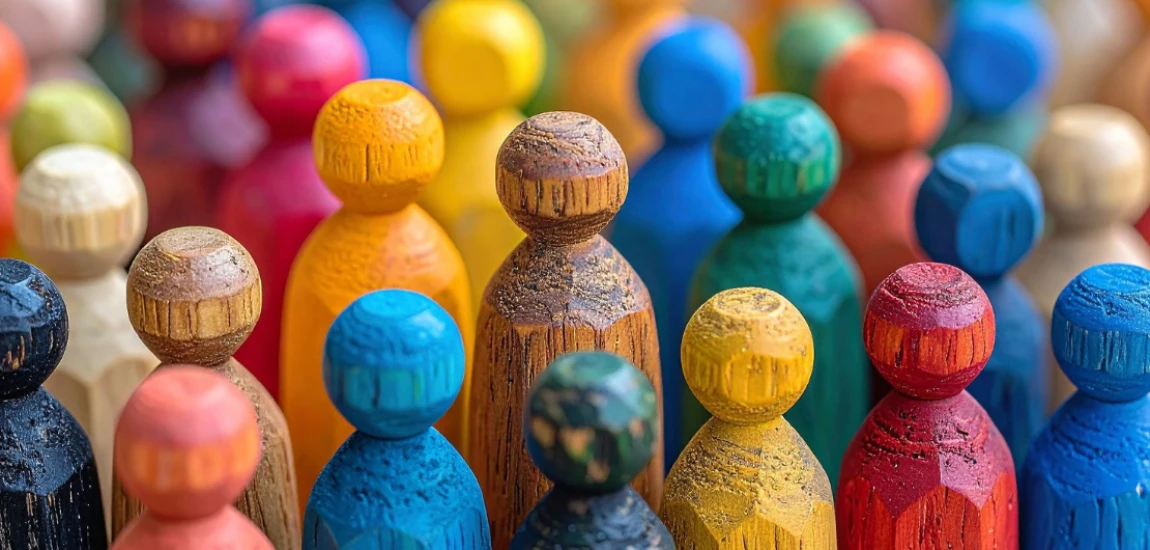
Representation in media shapes how audiences perceive the world and themselves. When people see characters, cultures, and stories that reflect their realities, it validates their experiences and strengthens their sense of belonging. Historically, marginalized communities have been misrepresented or excluded, reinforcing stereotypes and systemic inequality. Diverse storytelling challenges these norms, offering a broader range of human experiences that promote empathy and understanding.
The Psychological Impact of Seeing Yourself on Screen
Studies show that seeing oneself reflected positively in media can boost self-esteem, social acceptance, and identity formation—especially among younger viewers. For instance, the rise of characters like Black Panther’s T’Challa or Ms. Marvel’s Kamala Khan has given underrepresented audiences a sense of pride and connection. Conversely, the absence or negative portrayal of certain groups can cause alienation, self-doubt, and cultural erasure.
Diversity as a Creative Catalyst
Diverse voices bring new perspectives, languages, and histories to the table, enriching narratives with authenticity and depth. Inclusion isn't just ethical—it’s creatively powerful. When different backgrounds collaborate, stories become more dynamic, nuanced, and globally resonant. This shift toward inclusive creativity has made diversity not a trend, but a necessity for meaningful storytelling.
The Evolution of Representation in Film and Television

Breaking Stereotypes and Rewriting Narratives
In the past, Hollywood often relied on harmful stereotypes: the “token minority,” the “exotic outsider,” or the “comic relief.” Today, more creators are reclaiming their stories, rewriting cultural narratives from their own perspectives. Films like Parasite, Moonlight, and Everything Everywhere All at Once have redefined mainstream success, proving that diverse stories resonate universally when told authentically.
From Tokenism to Authentic Inclusion
Representation has moved beyond checking diversity boxes. Authentic inclusion means hiring writers, directors, and producers from marginalized backgrounds to shape their narratives from within. Shows like Pose and Reservation Dogs highlight this progress—both created by and starring underrepresented communities, ensuring the authenticity of voice and experience.
Global Cinema and the New Cultural Exchange
Streaming platforms like Netflix and Amazon Prime have democratized access to international content, allowing audiences to engage with diverse cultures without language or geographical barriers. Korean dramas, Indian cinema, and Latin American storytelling have gained global traction, proving that inclusive narratives transcend cultural divides and unify viewers through shared emotion and humanity.
Representation in Digital Media and Streaming Platforms

The Power of Streaming in Amplifying Diverse Voices
Streaming services have disrupted traditional gatekeeping, allowing creators from various backgrounds to tell stories that may not fit Hollywood’s old mold. Platforms like Netflix’s Strong Black Lead or Amazon’s Voices of Fire initiatives promote diverse storytellers who challenge cultural conventions. This accessibility has empowered marginalized creators to find their audience and tell their truths.
Social Media as a Tool for Representation
Social platforms such as TikTok, YouTube, and Instagram have become alternative storytelling spaces where individuals from underrepresented groups can share their experiences directly. Influencers and independent filmmakers use these platforms to bypass industry barriers, building communities that celebrate diversity and challenge mainstream norms.
Challenges of Digital Diversity
Despite progress, algorithmic bias and content moderation disparities persist. Minority creators often face shadow bans, cultural misappropriation, or lower algorithmic visibility. To ensure digital inclusivity, platforms must not only amplify diverse creators but also address systemic digital inequities that silence marginalized voices.
Gender, Race, and Intersectionality in Media Representation

Beyond Surface-Level Diversity
True representation goes beyond numbers—it requires understanding intersectionality, where race, gender, sexuality, and disability overlap. Too often, diversity is portrayed through a single identity lens, neglecting the complex realities of lived experience. Authentic media representation must include intersectional perspectives that reflect the multifaceted nature of human identity.
Women and Non-Binary Voices in Media
The rise of female and non-binary creators has challenged long-standing gender norms. From Greta Gerwig’s Barbie to Michaela Coel’s I May Destroy You, women are reclaiming narratives historically told through the male gaze. These stories not only center female experiences but also explore gender identity, autonomy, and empowerment in fresh and powerful ways.
Racial and Cultural Authenticity
Casting and storytelling must prioritize cultural authenticity. The practice of whitewashing or cultural appropriation—where stories or roles are taken from one culture and misrepresented by another—has been widely criticized. Authentic casting, cultural consultants, and inclusive writers’ rooms help prevent misrepresentation and promote respect for the communities being portrayed.
The Business Case for Diversity in Media

Diversity Drives Profitability
Representation isn’t just socially responsible—it’s profitable. Research by McKinsey and Nielsen shows that films and shows with diverse casts and crews generate higher box office returns and viewership numbers. Audiences increasingly demand authenticity, and companies that embrace inclusivity are rewarded with loyalty and engagement.
Inclusive Branding and Advertising
Brands now understand that diverse representation in advertising is essential for relevance and trust. Campaigns like Dove’s “Real Beauty” or Nike’s collaborations with athletes from varied backgrounds show that consumers respond to brands that authentically reflect their realities. However, tokenistic marketing—using diversity superficially—can backfire, highlighting the need for genuine inclusion.
Investing in Inclusive Futures
Media companies that actively invest in mentorship programs, diversity initiatives, and equitable hiring practices are shaping the future of storytelling. Programs such as Warner Bros.’s “Emerging Filmmakers” or Netflix’s “Fund for Creative Equity” ensure that underrepresented talent not only enters the industry but thrives within it.
The Future of Representation: Towards True Inclusion

Technology and Virtual Representation
The future of diversity extends into AI, virtual production, and gaming. Technologies like motion capture and virtual avatars allow broader creative possibilities but also raise ethical questions—such as who controls digital likenesses and cultural expression. Responsible use of technology can expand representation while safeguarding authenticity and consent.
Education and Media Literacy
Audiences play a vital role in promoting inclusive media. Media literacy—understanding how representation affects perception—empowers viewers to demand better stories. Schools, universities, and online platforms can teach critical media analysis to ensure that audiences recognize bias, question stereotypes, and support authentic representation.
Building an Inclusive Legacy
True diversity in media will only endure if inclusion is built into the foundation of creative industries. This means continuous accountability, equitable pay, and fair opportunities for creators from all walks of life. The goal isn’t just to diversify screens—it’s to democratize storytelling itself, ensuring that every voice can be heard and every story can be told.


Kate McCulley, the voice behind "Adventurous Kate," provides travel advice tailored for women. Her blog encourages safe and adventurous travel for female readers.
Kate McCulley

Prev Post
Next Post