
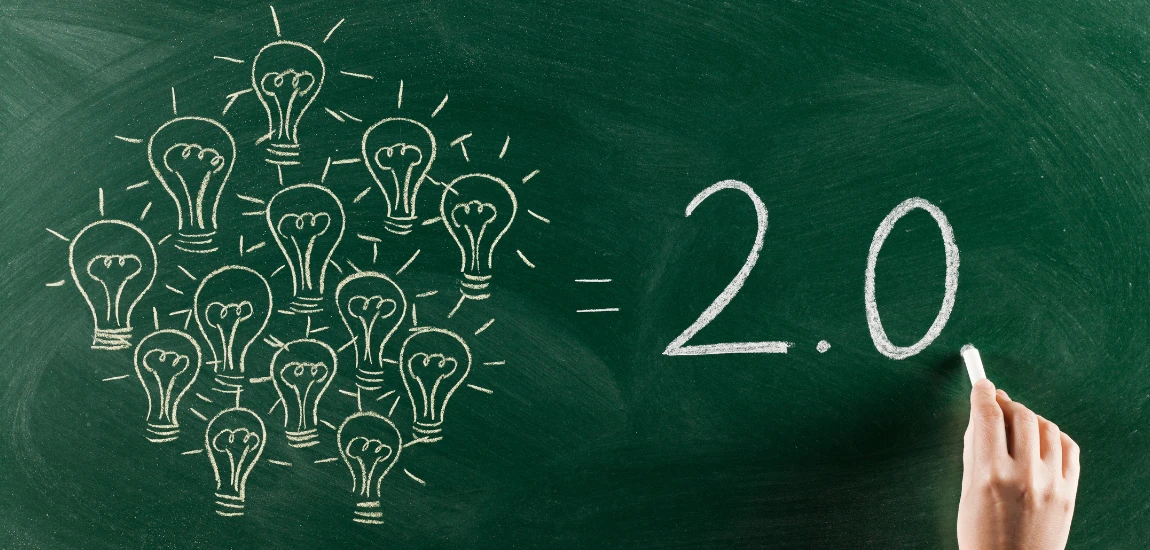
Remix Culture 2.0: From Sampling to AI Mashups
The Birth of Remixing in Music and Art
Remix culture began long before the internet age, rooted in the analog practices of DJs and musicians who sampled existing sounds to create something entirely new. Hip-hop pioneers in the 1970s like Grandmaster Flash and DJ Kool Herc laid the foundation by looping beats from funk and soul records. This method of reusing and recontextualizing existing material became a powerful form of artistic commentary—blurring the line between tribute and transformation.
As technology advanced, the tools for remixing expanded beyond turntables. In the 1990s, the rise of affordable digital samplers and editing software democratized the creative process. Anyone with a computer could cut, splice, and rearrange sounds, images, or videos, sparking a new era of participatory media. The remix became a cultural statement—a way for creators to engage with existing media, question norms, and remix meaning itself.
Remix as Resistance and Reinvention
Remixing was never just about aesthetics—it was also political. Artists used sampling and mashups to challenge media monopolies and copyright systems that restricted access to creative materials. Works like Danger Mouse’s The Grey Album (a mashup of Jay-Z and The Beatles) symbolized the subversive power of remixing, showing how new art could emerge from the old through reinterpretation.
The Digital Explosion of Remix Culture
With the arrival of the internet, remixing expanded into every medium—memes, fan edits, GIFs, and remixed videos became cultural currency. Platforms like YouTube, SoundCloud, and TikTok made remixing a global phenomenon. Suddenly, anyone could participate in cultural production, not just consume it. Remix culture became the language of the web: fast, referential, and endlessly iterative.
The Rise of Remix Culture 2.0: Algorithms Join the Studio

From Human Hands to Machine Learning
Remix Culture 2.0 represents the next stage in this evolution—one where artificial intelligence plays an active role in creation. AI-powered tools can now generate remixes autonomously, blending styles, genres, and voices with unprecedented precision. Tools like OpenAI’s Jukebox, Mubert, and Boomy can compose music that mimics human artistry while generating entirely new material derived from data sets of past works.
This technological leap has redefined what it means to “remix.” Instead of a manual process, remixing has become algorithmic—an intelligent, adaptive act driven by machine learning models that can identify patterns, harmonies, and stylistic nuances across vast amounts of cultural data.
AI as Co-Creator, Not Competitor
The fear that AI might replace human creativity is valid but incomplete. In Remix Culture 2.0, AI doesn’t simply automate creativity—it augments it. Artists are increasingly using generative models as collaborative partners that inspire new directions, styles, and possibilities. A musician might feed AI an old melody and receive a new interpretation in seconds. A visual artist might remix styles from multiple painters into a unique digital collage.
Democratizing Creative Access
AI remix tools also lower barriers to entry. Anyone, regardless of skill level, can create sophisticated mashups or generative art using platforms like Runway ML, Midjourney, or Suno AI. This democratization echoes the early promises of digital remixing: empowering ordinary users to become creators in their own right. But it also raises new ethical questions about authorship and originality that Remix Culture 2.0 must grapple with.
The Aesthetics of the Remix: How Technology Shapes Artistic Vision

Style as a Shared Language
Remix culture thrives on shared visual and auditory vocabularies. The beauty of Remix Culture 2.0 lies in how it blends disparate influences—from classical compositions to meme aesthetics—into cohesive, hybridized forms. AI-generated art, for example, often fuses Renaissance painting techniques with cyberpunk futurism, creating new aesthetics that feel both familiar and alien.
In this sense, remixing becomes a form of cultural dialogue. It’s a conversation between eras, genres, and creators—where AI serves as a translator, interpreting creative languages that were once incompatible.
Algorithmic Artistry and Visual Repetition
One critique of AI-driven remixing is that it risks homogenizing creativity. Because algorithms learn from existing data, they can inadvertently reinforce stylistic norms rather than challenge them. This creates a paradox: while AI expands creative capacity, it can also make art more predictable.
Artists combat this by “remixing the remix”—feeding AI unpredictable inputs or manipulating outputs manually. In doing so, they reclaim authorship and ensure that the technology serves human imagination rather than replacing it.
The Aesthetic of Acceleration
Remix Culture 2.0 is characterized by speed and immediacy. Trends, sounds, and styles spread at viral velocity. A TikTok sound clip might be remixed thousands of times in a single day, spawning global memes overnight. This acceleration changes not just how we consume culture, but how we think about art itself. The remix becomes a living, evolving entity—an ongoing collaboration between millions of users and machines.
Copyright, Creativity, and the Legal Grey Zone

Who Owns the Remix?
As remixing moves into the AI era, questions of ownership become increasingly complex. If an AI model trained on copyrighted material creates a new track that resembles an existing artist’s work, who owns the result? The creator? The AI company? The original artist? Current copyright laws, designed for human authorship, struggle to keep pace with this new reality.
The Ethics of Sampling in the Digital Age
AI’s ability to mimic voices, styles, and compositions raises ethical dilemmas about consent and originality. Deepfake songs using celebrity voices or AI-generated artworks inspired by living artists test the boundaries of fair use. While remixing was once about playful reinterpretation, it now intersects with questions of identity and authenticity.
Toward a New Model of Creative Ownership
Some innovators are experimenting with blockchain-based systems to track and attribute creative contributions in remix projects. Smart contracts can automatically assign royalties or credits to all parties involved in an AI-assisted remix. This approach could provide a transparent, equitable solution—balancing creative freedom with accountability.
The Social and Cultural Power of Remixing

Remixing as Collective Storytelling
Remix Culture 2.0 transforms creation into a communal act. Every meme, mashup, or remix contributes to an ongoing collective narrative. When users remix viral content, they participate in shared cultural authorship, adding layers of meaning that reflect their own context and community. This participatory process blurs the line between creator and audience, making culture itself a collaborative performance.
Memes as Modern Folk Art
In the digital realm, memes function as the most accessible form of remixing. They remix existing media, humor, and politics to express collective emotions. AI-powered meme generators now allow users to produce personalized humor at scale, turning algorithms into tools of satire and commentary. Remixing, therefore, becomes a form of cultural literacy—an essential way to engage with the world around us.
Global Collaboration Through Shared Media
AI and digital platforms connect creators across continents. A remix born in Seoul might be sampled by a producer in Berlin and visualized by an artist in São Paulo—all within days. This interconnectedness transforms remixing into a form of global dialogue, breaking down cultural and linguistic barriers through shared creative expression.


Gary Arndt operates "Everything Everywhere," a blog focusing on worldwide travel. An award-winning photographer, Gary shares stunning visuals alongside his travel tales.
Gary Arndt
Prev Post
Next Post