
Protest Music in the 2020s: Art or Activism?
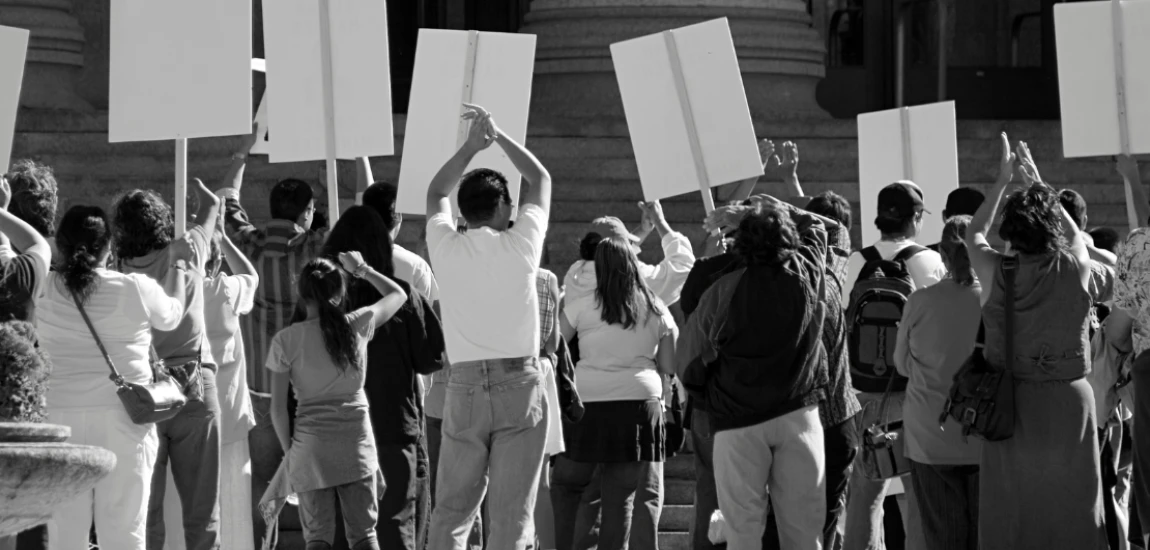
Protest music has always been more than just sound—it’s a cultural force that channels resistance, gives voice to the voiceless, and inspires collective action. From Bob Dylan’s folk anthems of the 1960s to Public Enemy’s politically charged hip-hop, music has served as both a soundtrack and a catalyst for social change. But in the 2020s, protest music has taken on a new dimension.
We now live in a hyper-digital world where activism unfolds on social media, movements go global overnight, and artists are under more scrutiny than ever before. Musicians no longer just release songs—they release statements, hashtags, and viral performances that can spark global debate. This raises the question: is protest music in the 2020s primarily about artistry, or is it a strategic form of activism?
This blog explores the evolution, themes, platforms, and controversies surrounding modern protest music, ultimately asking whether its true power lies in being art, activism, or a blend of both.
The Legacy of Protest Music and Its 2020s Evolution

Historical roots of protest music
Protest music has deep roots in American folk, gospel, and blues traditions. Songs like “We Shall Overcome” or “Give Peace a Chance” became symbols of hope and defiance. These historical examples laid the foundation for music as a tool for resistance.
Transition into the digital age
In the 2020s, protest music evolved with streaming platforms, social media, and YouTube. Artists don’t rely on radio or physical albums—they can release protest songs instantly, directly to millions worldwide.
Globalization of protest sounds
Unlike earlier eras where movements were often localized, today’s protest music travels globally. A song written in Nigeria during the #EndSARS protests or in the U.S. after George Floyd’s death resonates far beyond its borders.
Key Themes in Protest Music of the 2020s

Racial and social justice
The Black Lives Matter movement has fueled countless songs in hip-hop, R&B, and beyond. Artists use music to address systemic racism, police brutality, and inequality.
Climate change and environmental justice
Environmental activism has also become a dominant theme, with younger artists raising awareness about climate collapse, eco-anxiety, and sustainable futures.
Gender equality and LGBTQ+ rights
Feminist anthems and queer empowerment songs highlight how protest music is diversifying, reflecting struggles beyond traditional politics.
The Role of Technology in Amplifying Protest Music

Social media as a megaphone
Platforms like TikTok, Instagram, and Twitter allow protest songs to spread virally. A single clip or lyric can inspire hashtags, trends, and global discourse.
Streaming platforms as modern radio
Spotify, Apple Music, and YouTube curate playlists featuring politically charged music, ensuring these songs reach mainstream audiences who may not seek them out.
The rise of DIY protest music
Independent musicians no longer need major labels to share their message. With home recording tools, even grassroots activists can create powerful protest songs that gain traction online.
Protest Music as Art

The craft of songwriting
Many protest songs in the 2020s are works of art in themselves—carefully crafted to balance poetic lyrics, emotional resonance, and musical experimentation.
Artistic experimentation in sound
From lo-fi beats to experimental jazz-infused hip-hop, artists are pushing creative boundaries while addressing social issues, blending activism with artistry.
The aesthetic of resistance
Visual art, album covers, and performance style all contribute to the artistic identity of protest music, making it not only an auditory but also a cultural experience.
Protest Music as Activism

Mobilizing movements
Protest songs act as rallying cries, uniting people across borders and ideologies. They transform individual frustrations into collective demands.
Fundraising and advocacy
Many artists use their protest songs to raise money for causes, from bail funds to climate organizations, linking their music directly to activism.
Public accountability
By calling out institutions, politicians, and systemic injustices, protest music functions as a tool of resistance and accountability.
Controversies Around Protest Music in the 2020s

Performative activism
Critics argue that some artists use protest music for clout rather than genuine change, releasing “activist” tracks without engaging in real movements.
Commercialization of resistance
Brands and record labels often co-opt protest anthems for marketing campaigns, diluting their message in the process.
Fan expectations and backlash
Artists today face pressure from fans to take political stands. Silence can be seen as complicity, while speaking out risks alienating audiences.
The Future of Protest Music: Art and Activism United

Hybrid identities of artists
In the 2020s, artists are no longer just musicians—they are activists, influencers, and cultural leaders. Protest music is a central part of this hybrid identity.
The role of global collaboration
International collaborations are breaking barriers, with artists from different regions uniting to create protest songs that resonate across cultures.
Toward a new protest era
The future of protest music may be less about dividing art from activism and more about fusing the two, creating art that is activism and activism that is art.


Dave Lee runs "GoBackpacking," a blog that blends travel stories with how-to guides. He aims to inspire backpackers and offer them practical advice.
Dave Lee
Prev Post

Next Post