
Post-Truth Pixels: When Aesthetics Override Accuracy
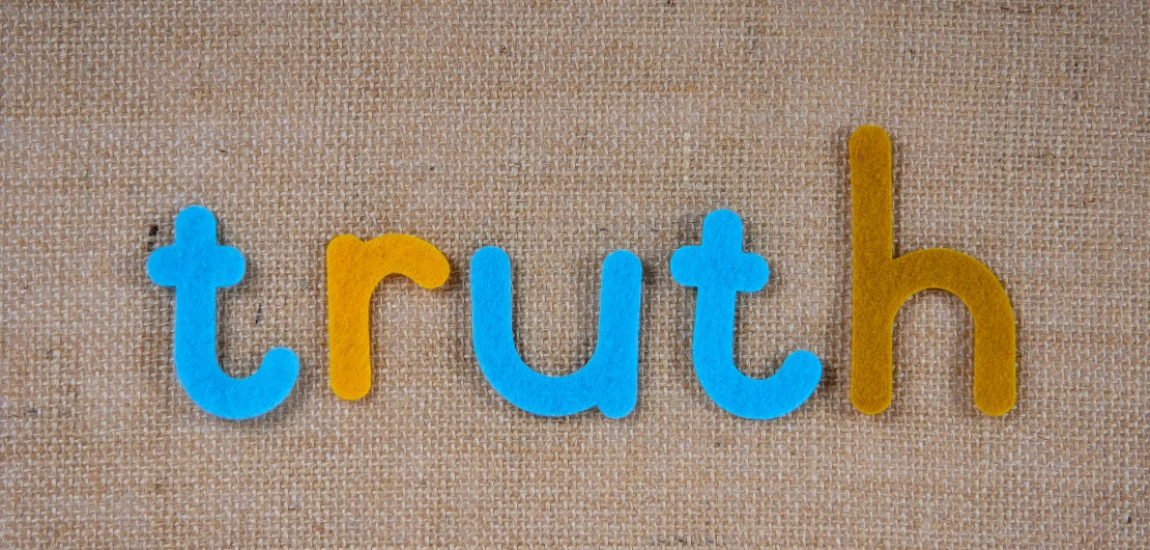
We live in a time where what looks true often matters more than what is true. From Instagram feeds curated for perfection to AI-generated images that blur the line between art and authenticity, aesthetics have become a new form of persuasion. This phenomenon — where visual appeal takes precedence over factual integrity — defines the era of post-truth pixels.
In the digital attention economy, visuals are currency. Posts that are sleek, filtered, and emotionally resonant spread faster than those rooted in plain truth. Social media algorithms amplify beauty and emotional impact, rewarding content that feels authentic, even when it isn’t. As a result, we’re collectively trained to prioritize the visually appealing over the verifiably accurate.
The consequences reach beyond vanity. From fake news thumbnails to stylized “documentary” footage, images can manipulate beliefs and emotions at a glance. When aesthetics override accuracy, misinformation becomes seductive — a truth dressed in high resolution.
The Rise of Visual Truth
Aesthetic storytelling has become the dominant form of communication. People trust what they can see, especially if it aligns with their beliefs or emotional expectations.
The Influence Economy
Influencers, marketers, and even journalists compete for attention in a space where design quality can define credibility. Beauty becomes a proxy for trustworthiness.
The Emotional Algorithm
Platforms like TikTok and Instagram privilege emotion-rich visuals because they keep users engaged longer — often at the expense of truth.
The post-truth age isn’t just defined by fake information, but by the visual pleasure of believing it.
How Image Culture Redefined Credibility

Images have always been persuasive. But in the digital era, the sheer volume and accessibility of visual tools have transformed how we define credibility. The polished aesthetic — clean typography, moody filters, cinematic color grading — signals professionalism and authority, even if the message underneath is fabricated.
Social platforms have democratized design, allowing anyone to appear legitimate. A YouTube thumbnail, a well-edited TikTok, or a minimalist infographic can make misinformation look official. In a world dominated by pixels, truth is often determined not by verification but by vibe.
The Power of Aesthetic Authority
Aesthetic cues — like symmetry, color balance, and composition — subconsciously influence perception. Our brains associate good design with expertise, mistaking visual fluency for factual accuracy.
When Branding Becomes Belief
Movements, influencers, and even conspiracy theorists use cohesive branding to create trust. A consistent color palette or logo can make falsehoods look like institutional truth.
The Authenticity Illusion
Paradoxically, “raw” aesthetics — unfiltered videos, lo-fi photography — also serve as authenticity signals. The aesthetic of imperfection has become a new tool of persuasion.
Image culture no longer just reflects truth; it manufactures it. The more carefully something looks unplanned, the more likely we are to trust it.
The Role of AI and Filters in Shaping False Realities

Artificial intelligence has supercharged our ability to manipulate reality. From deepfakes to hyperrealistic renderings, AI tools make it effortless to create visuals indistinguishable from truth. Apps like Midjourney, DALL·E, and FaceApp have blurred the boundaries between artistic interpretation and factual representation.
Filters and generative AI aren’t inherently bad — they enable creativity and self-expression — but they also contribute to a culture of unreality. What was once called “editing” is now full-blown fabrication. People alter faces, skies, and even historical photographs to fit aesthetic or emotional narratives.
Deepfakes and Synthetic Truth
Deepfakes illustrate the most dangerous side of post-truth pixels. Videos or images of people saying or doing things they never did can alter public opinion or damage reputations in seconds.
The Everyday Filter Effect
Even casual filters shift reality subtly. A brighter sky, smoother skin, or cleaner background rewires perception, normalizing perfection as the baseline of truth.
AI and Visual Propaganda
Political and commercial interests are increasingly using AI-generated images to create persuasive, visually stunning narratives — ones that bypass rational skepticism.
The new challenge isn’t just identifying false information but distinguishing what’s been aesthetically optimized beyond recognition.
The Psychology Behind Believing Beautiful Lies

Humans are hardwired to respond to beauty. Neurological studies show that aesthetically pleasing visuals trigger dopamine releases, creating feelings of trust, pleasure, and comfort. In the post-truth era, this cognitive bias has been exploited — we believe what looks good because it feels good.
When aesthetics trigger emotional resonance, we drop our critical guard. We share a polished quote graphic without checking its source, repost a visually powerful image that aligns with our values, or believe a stylized “documentary” clip that matches our worldview.
The Comfort of Visual Cohesion
Our brains crave order and pattern. A well-designed image creates psychological harmony, making it easier to accept the message it conveys, even without evidence.
Emotional Shortcuts
Aesthetic content works by bypassing logic and going straight for emotion. We trust what moves us, regardless of factual grounding.
The Halo Effect of Design
This bias makes us associate visually appealing content with credibility. The more polished something looks, the more legitimate it seems — even if it’s entirely fabricated.
Understanding this psychology is the first step in resisting manipulation. Awareness can transform passive scrolling into active interpretation.
Navigating Truth in a Filtered World

As aesthetics increasingly blur truth, developing visual literacy becomes essential. Visual literacy — the ability to read, interpret, and question images — is the modern equivalent of media literacy. It’s how we learn to separate digital art from digital deception.
The goal isn’t to reject beauty but to see beyond it. Understanding the tools, context, and intentions behind visual content allows us to appreciate aesthetics without surrendering to illusion.
Practice Skeptical Seeing
When encountering visually stunning content, ask: Who created this? Why? What’s missing from the frame? Context often reveals intention.
Learn the Visual Grammar of Deception
Recognize common manipulation cues — inconsistent lighting, repeated patterns, or emotional over-saturation — that often accompany altered or AI-generated visuals.
Prioritize Substance Over Surface
When sharing content, check the source before reacting to the design. A truthful but unpolished post is more valuable than a viral but fabricated masterpiece.
By cultivating mindful scrolling habits, we can appreciate digital creativity while guarding against its distortions.
Redefining Truth in the Era of Digital Aesthetics

The line between truth and design will only grow thinner as technology evolves. With AI-generated visuals, augmented reality, and metaverse storytelling on the rise, the distinction between “real” and “rendered” may soon feel obsolete.
Yet, the future doesn’t have to be dystopian. Visual storytelling can still serve truth — if creators, platforms, and audiences prioritize transparency. Labeling AI-generated content, promoting visual literacy education, and encouraging ethical design are essential steps in this shift.
The Responsibility of Creators
Artists, influencers, and journalists wield immense visual power. Ethical creation means acknowledging edits, using disclaimers, and avoiding visual manipulation that misleads audiences.
The Platform’s Role
Social media companies can integrate verification tools for visual content, watermark AI-generated media, and demote posts that spread misleading imagery.
The Viewer’s Choice
Ultimately, viewers hold the power. Choosing to engage critically, support honest creators, and value depth over surface aesthetics can restore balance in the visual ecosystem.
Truth in the digital era will not vanish — it will evolve. The challenge is learning to recognize it, even when it’s hidden beneath a perfectly filtered layer of beauty.


Dave Lee runs "GoBackpacking," a blog that blends travel stories with how-to guides. He aims to inspire backpackers and offer them practical advice.
Dave Lee

Prev Post
Next Post