Life is way too short to be bored, and our Entertainment blogs are proof. From the latest blockbuster movies to hilarious viral trends, we cover everything that makes life fun. Need a new series to binge without regretting the 3 AM bedtime? We’ve got recommendations. Want to know which memes are breaking the internet before your group chat spoils them? We’ve got that too. Movies, games, music, and the occasional guilty-pleasure reality show—if it makes you laugh, gasp, or sing along, it’s here. Entertainment isn’t just a break from life; it’s the best part of it. Grab your popcorn and scroll responsibly—you might stay here longer than you planned.
In “Notifs as Nurture: When Dopamine Drives Connection,” this essay explores how technology has transformed our brains’ reward systems into emotional engines of connection. It reveals how dopamine, app design, and validation shape modern intimacy—and offers ways to reclaim genuine connection beyond the notification feed.
In “Feedforward: How Tech Doesn’t Just Predict Us—It Trains Us,” this deep-dive essay explores how predictive technology has evolved from reflecting our behavior to shaping it. It unpacks the psychology of algorithmic influence, the design of digital conditioning, and practical steps to reclaim autonomy in a predictive world.
This in-depth blog post, “Blurred and Branded: The Disappearing Line Between Persona and Person,” explores how the digital age has turned identity into performance. It examines the rise of personal branding, the role of algorithms in shaping personality, and the emotional toll of constant visibility. Through insights on authenticity, emotional labor, and online selfhood, the article reveals how our digital personas have begun to eclipse our true selves—and offers ways to reclaim authenticity beyond the brand.
“Augmented Intimacy: Love, Loneliness, and the Rise of AI Companionship” explores how artificial intelligence is reshaping emotional connection. From empathy-simulating chatbots to ethical dilemmas around programmed affection, this post dives deep into how AI companionship challenges traditional notions of love, intimacy, and what it means to be human.
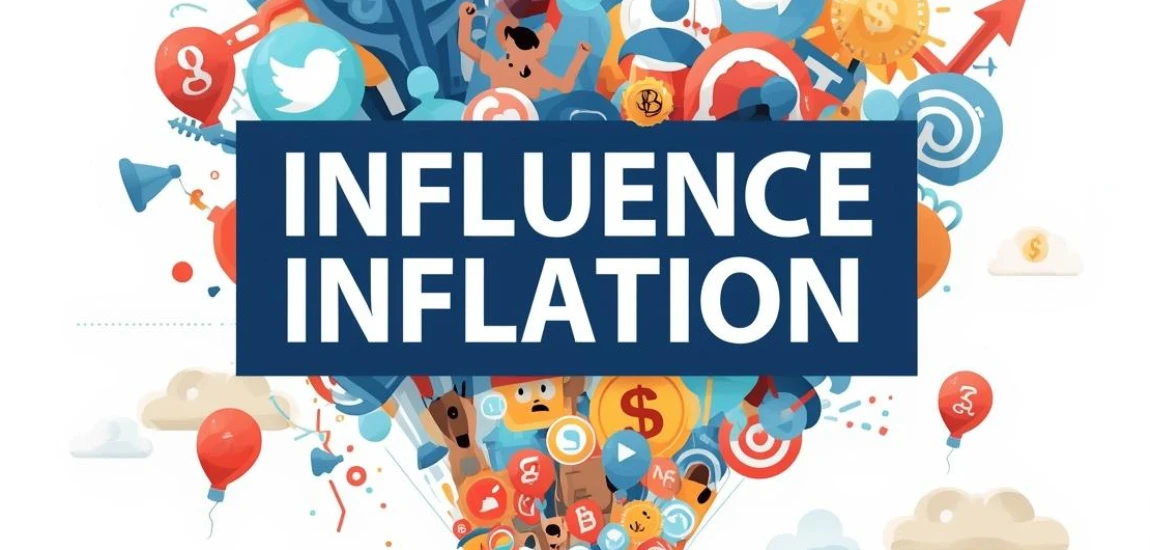
“Influence Inflation: When Everyone’s a Brand, Who’s Left to Buy?” explores how the oversaturation of personal brands is transforming the influencer economy. The post examines the shrinking value of authenticity, the emotional toll of self-promotion, and the future of influence in an age where everyone is both a creator and consumer.
This in-depth blog post explores how social media algorithms quietly manufacture consensus in online communities. It reveals how engagement-driven systems turn diverse opinions into echo chambers, amplifying conformity while silencing dissent. Through ten detailed sections, it examines the mechanics of algorithmic influence, the emotional manipulation behind viral content, and the economic and political forces that sustain digital echo systems. The post also offers practical strategies to break free from algorithmic control and reclaim independent thought in the age of automated consensus.
This in-depth blog explores how augmented beauty and social media filters have redefined the standard of attractiveness. It examines the psychological, social, and cultural consequences of filter dependency, revealing how technology reshapes identity and authenticity. With insights into the evolution of filters, the rise of algorithmic aesthetics, and the future of ethical design, the post offers practical ways to reclaim realism in a filtered world.
In an era where every post feels like a potential risk, Infinite Drafts: The Paralysis of Posting in an Age of Surveillance explores how digital surveillance, cancel culture, and perfectionism have turned creativity into caution. This in-depth analysis unpacks why we overthink, self-censor, and hesitate to share—and how to reclaim authentic expression in a world that’s always watching.
Latent You: The Psychological Toll of Being ‘Always On’ But Rarely Present explores the hidden emotional and cognitive costs of hyperconnectivity. It examines how digital burnout, identity fragmentation, and constant reachability affect our ability to feel, focus, and live—and offers ways to reclaim true presence in an always-connected world.
Ghost-Following: The Rise of Passive Intimacy in Platform Relationships examines how silent observation has become the new form of connection online. It explores the emotional and psychological effects of passive engagement, the illusion of closeness it creates, and how to rebuild authentic intimacy in a world defined by quiet watching.