
Organic Lore Systems: Stories That Grow Like Ecosystems, With Characters Behaving as Living Species
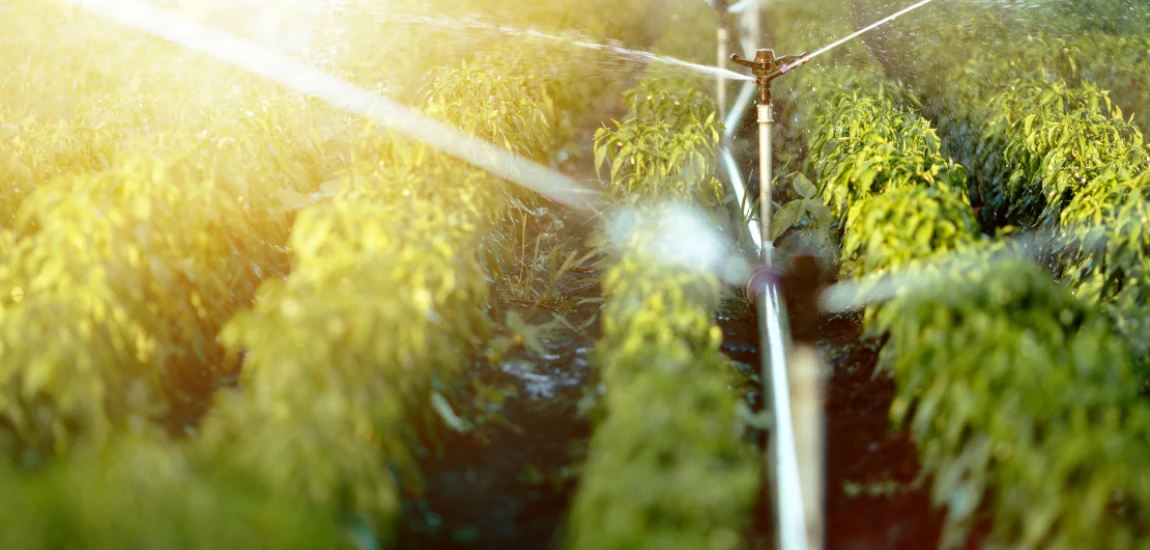
Traditional storytelling has long been rooted in fixed arcs, predetermined character development, and static worldbuilding. But a new paradigm—Organic Lore Systems—is transforming how narratives are created, consumed, and evolved. Instead of treating fictional universes as manufactured artifacts, these systems approach them as living ecosystems: dynamic, interconnected, and constantly adapting.
In an Organic Lore System, characters behave like species—evolving, competing, forming alliances, migrating across narrative territories, and sometimes going extinct. Instead of writing a world from the top down, the creator becomes more of an ecological architect, setting conditions, rules, and environmental pressures that guide how the lore naturally unfolds.
This type of storytelling appeals to a generation that wants immersive, non-linear worlds like those found in open-world games, generative narratives, sandbox universes, and AI-driven storytelling platforms. It also aligns with how digital audiences engage today—with collaborative fandoms, branching narratives, and evolving mythologies shaped by multiple contributors.
This blog dives deep into what makes Organic Lore Systems revolutionary, how they function, and how creators can design narratives that truly feel alive.
The Foundations of Organic Lore Systems

Fiction as an Ecosystem
In Organic Lore Systems, narrative elements are treated like ecological systems where characters, settings, and lore interact similarly to species, biomes, and environmental pressures. Characters adapt to conflicts, storylines grow like vines, and the world develops emergent behaviors.
Dynamic Relationships Instead of Static Roles
Instead of characters being locked into rigid archetypes, they behave more like living organisms. Their growth (or decline) depends on narrative “survival pressures”—choices players make, conflicts they encounter, new characters introduced, and environmental shifts inside the lore.
Adaptive Storylines as Natural Evolution
Plotlines behave like evolutionary branches. If one storyline becomes underdeveloped or under-engaged, it may “die out,” while others grow stronger. This creates a universe that feels self-sustaining, reactive, and organic.
At roughly 300+ words, this section explores how the Organic Lore System rewrites foundational storytelling rules by replacing human-imposed structure with ecosystem-driven logic.
Characters as Living Species: Adapting, Evolving, Competing

Characters That Respond to Environmental Pressures
In ecosystem-based storytelling, characters don’t evolve through prewritten arcs but through adaptive pressures—threats, alliances, scarcity, shifting landscapes, or even audience interaction. This realism makes characters feel alive.
Competition, Cooperation, and Niche Formation
Just as species carve out niches, characters may gravitate toward different narrative roles depending on audience choices, world changes, or emerging storylines. A side character might evolve into a major force if the ecosystem favors their traits.
Extinction Events and Character Migration
Some narratives include "extinction events”—large shifts that wipe out or transform character populations. Migrations may occur when characters move to different regions, genres, or plotlines to survive. These mechanics create natural narrative evolution.
Characters become dynamic, changing not because a writer forces it but because the world’s conditions demand it—reflecting a living ecosystem of narrative behavior.
Worldbuilding as an Ecological Process

Worlds That Grow Beyond Their Creators
In Organic Lore Systems, worldbuilding is less about crafting and more about cultivating. Worlds expand based on interactions, conflicts, and resource distribution rather than authorial planning.
Biomes Become Narrative Zones
Instead of traditional settings, storytelling biomes behave like environments with unique rules, resources, and pressures. Characters entering a new biome must adapt, causing natural story shifts.
Environmental Storytelling That Reacts
Weather, political climates, cultural systems, and even magical or technological landscapes adapt dynamically. A drought might reshape entire factions; a technological breakthrough might trigger new societal behaviors. This makes the world feel alive and reactive.
Worldbuilding as ecology allows creators to design universes with deep realism—worlds that continue to grow without direct intervention, just as ecosystems do.
Lore Evolution: How Stories Grow, Branch, and Regenerate

Branching Lore Networks
Rather than a central canon, Organic Lore Systems rely on branching lore networks. Each “branch” grows based on environmental pressures, audience engagement, and character behavior. The lore ecosystem constantly shifts in shape.
Mycelium-Like Information Spread
Lore spreads like a fungal network—quietly, organically, and interconnectedly. A small detail introduced early might later trigger major consequences across the system as the “information roots” expand.
Death and Regeneration of Storylines
Not all lore survives. Unused or forgotten stories decay, making room for new growth. Regeneration events—new technologies, new factions, or environmental upheavals—can spawn entirely new narrative sub-ecosystems.
Lore evolution reflects how myths, cultures, and species grow: not linearly, but as adaptive, branching systems of meaning.


Gilbert Ott, the man behind "God Save the Points," specializes in travel deals and luxury travel. He provides expert advice on utilizing rewards and finding travel discounts.
Gilbert Ott
Prev Post
Next Post