
Neural Narratives: When Brain-Computer Interfaces Rewrite Storytelling
What Neural Narratives Are
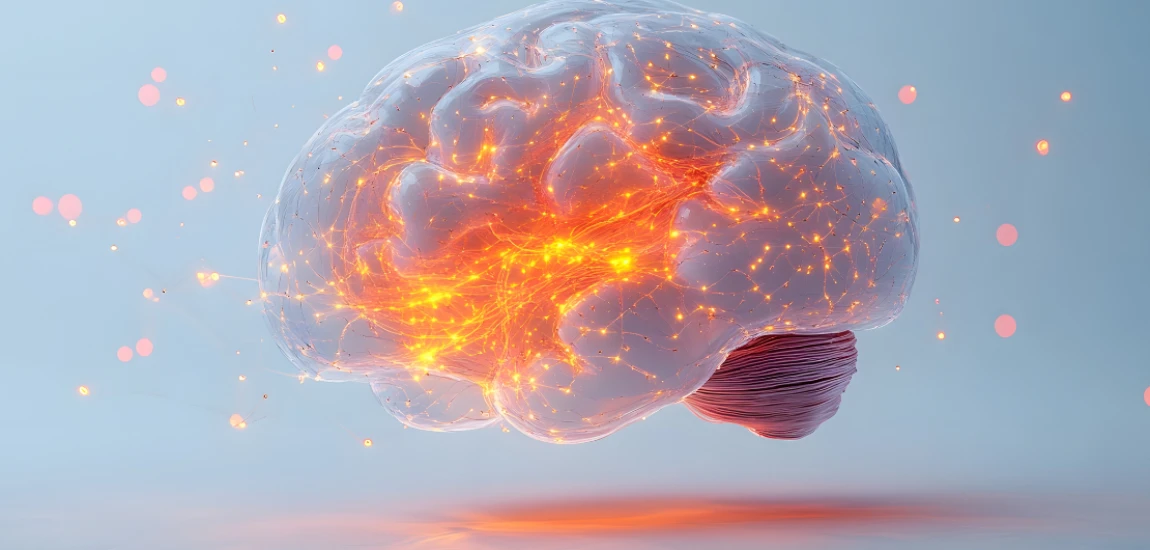
Neural Narratives describe a new category of storytelling experiences that adapt to real-time brain activity. Instead of choosing paths through manual controls or on-screen selections, your brainwaves become the storytelling engine. These systems interpret your emotional responses, focus, and micro-reactions, then adjust the plot, characters, and pacing accordingly. This creates an immersive form of narrative logic where stories evolve based on how your brain feels rather than what you click.
Why Neural Narratives Matter
Traditional storytelling has always tried to understand audiences—through data, reactions, and interpretation. But Neural Narratives bypass all the guesswork. They offer an intimate, direct link between the creator’s world and the audience’s mind. The result is storytelling that becomes responsive, intuitive, and deeply personalized. It’s a shift from passive consumption to co-created experience.
How They Change the Experience
Audience members can experience the same story in vastly different ways. If one viewer responds with curiosity, the narrative may open into exploratory paths. If another responds with anxiety, the plot may shift toward reassurance or intensity. This “mind-first storytelling” transforms the medium into something adaptive, fluid, and endlessly reinterpretable. Neural Narratives make stories feel alive—because they are literally shaped by your neural patterns.
How Brain-Computer Interfaces Decode Human Emotion and Intention

Understanding Neural Signals
A brain-computer interface (BCI) identifies patterns in neural activity—signals tied to emotions, thoughts, and cognitive states. Using EEG sensors, machine learning models, and biometric data, BCIs decode whether a user is engaged, tired, stressed, excited, or bored. These signals become inputs for the narrative engine.
Translating Data Into Story
When the system detects heightened emotional engagement, it may extend scenes, elevate tension, or offer deeper character backstories. If it identifies cognitive overload, it may slow pacing or simplify plot twists. In essence, the story becomes a reflection of your internal signals. Every neural micro-shift guides the unfolding story.
The Emotional Feedback Loop
A unique feature of Neural Narratives is the feedback loop between the brain and the experience. Your brain influences the story. The story influences your brain. This loop deepens immersion and creates a sense of presence that traditional media cannot match. Over time, BCIs can even learn your emotional patterns, predicting your reactions and customizing narrative arcs before you consciously experience them.
The Rise of Neuro-Adaptive Story Worlds

Environments That Transform With Emotion
Imagine looking at a landscape in a virtual world and seeing its color shift depending on your emotional state. In Neuro-Adaptive Story Worlds, environments are not fixed—they breathe, expand, and react. A calm user might experience serene visuals, while a stressed user might trigger dynamic storms or altered architecture.
Psychological Worldbuilding
These worlds integrate emotional symbolism, memory cues, and neural triggers. Instead of static level design, environments behave more like psychological mirrors. The world reads your mood and reconstructs itself to align with your internal emotional field. This transforms worldbuilding into a form of cognitive design.
Infinite Replay Value
Because no two emotional states are identical, Neuro-Adaptive Story Worlds offer infinite variations. A story you revisit while calm may become entirely different when revisited during sorrow, excitement, or uncertainty. This creates endless narrative depth, giving storytelling unprecedented longevity and personal resonance.
Characters With Neural Awareness: Emotional Feedback in Real Time

Characters That Sense You
Characters in Neural Narratives can detect your emotional signals—your hesitation, your stress, your excitement—and respond accordingly. Instead of fixed dialogue trees, they respond with emotional awareness, adjusting their tone, mannerisms, and decisions to match your internal state.
Adaptive Relationships
If the system detects increasing trust, characters may open up more quickly. If it detects suspicion, characters may mirror caution. The emotional relationship becomes dynamic, personal, and deeply immersive. This allows for character arcs that grow alongside the user’s neural patterns.
Redefining Presence in Fiction
This emotional mirroring makes characters feel uncannily alive. They become entities that understand you—not because of scripts, but because of signals from your mind. This level of responsiveness brings a new dimension to character-driven narratives, blurring the line between audience and participant.
Writing for Neural Narratives: How Storytellers Build Thought-Responsive Plots

Designing Multi-Layered Story Branches
Writers must design plots that can shift dynamically based on subtle neural cues. This requires layered structures rather than linear ones. Instead of choosing between Option A and B, your emotions guide the story deeper into micro-variations tailored to your thought patterns.
Emotional Triggers as Narrative Tools
Storytellers integrate sensory cues, symbolic moments, and emotional catalysts designed to evoke neural responses. These become tools for guiding the user’s emotional journey—and allowing the story engine to respond in kind. Writing becomes part psychology, part narrative architecture.
Collaboration Between Writers and Engineers
Neural Narratives require interdisciplinary collaboration. Writers, neuroscientists, UX designers, and AI specialists work together to ensure emotional safety, narrative coherence, and psychological depth. Every scene becomes a living system influenced by emotion-driven variables.
Ethical and Psychological Boundaries in Neural Storytelling

Protecting Neural Privacy
Neural data is deeply personal. It reveals subconscious states, stress levels, and emotional vulnerabilities. Neural Narratives must prioritize ethical data handling, transparency, and user consent. Story platforms must clearly explain how neural information is used, processed, and stored.
Avoiding Emotional Manipulation
When stories respond to emotion, there’s a risk of exploiting or manipulating psychological states. Creators must ensure narrative systems do not push users into emotional extremes or trigger harmful responses. Ethical guardrails are essential.
Building Safety-Centered Design
Neural storytelling systems require protections such as emotional buffering, real-time safety checks, and neurofeedback moderation. These systems ensure the user remains in control and that the experience enhances well-being rather than compromising it.
Applications Beyond Entertainment: Therapy, Education, and Mental Wellness

Therapeutic Storytelling
Neural Narratives hold promise in therapeutic applications. Emotion-responsive storytelling can help individuals explore trauma, regulate anxiety, or strengthen emotional resilience. Stories can gently guide users toward calming states or support cognitive reframing.
Transforming Education
Imagine lessons that reshape themselves based on how well a student understands the material. Neural Narratives in education can personalize content based on attention levels, difficulty perception, and emotional engagement. This makes learning more intuitive and adaptive.
Wellness and Mindfulness
Narratives can shift to support relaxation, meditation, or emotional grounding. They can adjust breathing cues, pacing, and sensory elements to help users reach healthier mental states. Neural Narratives can become powerful tools for self-regulation and personal growth.
The Future of Neural Storytelling: Toward Fully Cognitive Media Ecosystems

Personalized Story Universes
As BCIs evolve, users may inhabit long-term story ecosystems that grow with them over years. Characters age, worlds expand, and narratives deepen based on cumulative neural patterns. Stories become lifelong companions.
Shared Neural Experiences
Future systems may allow multiple users to share neural inputs simultaneously, creating collaborative narratives shaped by collective emotion. This transforms storytelling into a social, interconnected experience.
The Next Era of Media
Neural Narratives represent the evolution from interactive media to cognitive media—stories that understand you, adapt to you, and evolve with you. They signify a future where storytelling becomes deeply personal, emotionally intelligent, and infinitely adaptive.


Known as "Nomadic Matt," Matthew Kepnes offers practical travel advice with a focus on budget backpacking. His blog aims to help people travel cheaper and longer.
Matthew Kepnes

Prev Post

Next Post